

Key Takeaways
A reconditioned engine can be a sensible middle ground between repairing an existing unit and buying a new one, but its reliability depends heavily on the work performed and the evidence supplied.
- A reconditioned engine has been cleaned, inspected, repaired, and fitted with replacement or refurbished components.
- The word “reconditioned” does not describe one universal level of work, so supplier details matter.
- Machining quality, replacement parts, installation, and maintenance all influence service life.
- A written warranty and clear compatibility checks reduce the main purchasing risks.
- The right choice depends on the vehicle’s value, expected future use, and total fitted cost.
What a reconditioned engine is
A reconditioned engine is a previously used engine that has been assessed and restored to a usable working condition. The work may involve dismantling, cleaning, measuring, machining, and replacing worn or damaged components. It is not necessarily identical to a factory-new engine, and the exact scope can vary considerably. That is why the paperwork behind the engine is often as useful as the engine itself.
How reconditioning differs from rebuilding and remanufacturing
The terms reconditioned, rebuilt, and remanufactured are sometimes used interchangeably, although they can describe different amounts of work. Reconditioning may be targeted, with serviceable components retained and faulty ones repaired or replaced. A rebuild generally involves taking the engine apart, inspecting its major parts, and replacing the worn items while retaining suitable original components. Remanufacturing usually suggests a more comprehensive process intended to restore the unit to a defined manufacturing standard, but the label alone is not proof of what was done.
For a useful overview of the terminology, this reconditioned engine guide explains how repairing worn components differs from a full rebuild or a new engine. The practical question remains simple: which parts were inspected, what measurements were taken, and what standard was used to approve the finished unit?
Which engine components are inspected and replaced
A proper assessment can include the engine block, cylinder head, crankshaft, connecting rods, pistons, valves, camshaft, oil pump, and timing components. Seals, gaskets, bearings, piston rings, and other wear items are commonly considered for replacement, but there is no universal parts list for every engine. A component should be retained because it meets a measured specification, not merely because it looks acceptable after cleaning.
The condition of the block and cylinder head deserves particular attention. Cracks, distortion, excessive wear, or damaged threads may make an engine unsuitable or require additional machining. Ask whether parts were replaced with new components, refurbished components, or inspected original parts, since those choices affect both price and expected durability.
Why engine condition varies between suppliers
Two engines carrying the same description can have very different histories. One supplier may carry out a complete strip-down and record machining tolerances, while another may repair only the fault that brought the engine into the workshop. The source engine, storage conditions, technician experience, parts quality, and final testing can all change the result.
This variation does not automatically make reconditioning unreliable. It does mean that a low price or polished photograph tells you little by itself. A supplier who can explain the process clearly is easier to assess than one who relies on a broad label without technical detail.
How the reconditioning process is documented
Useful documentation should identify the engine code or part number, the work completed, the parts replaced, and any machining carried out. It may also include inspection measurements, pressure-test information, test-run results, and a statement of the warranty. The more expensive and complex the engine, the more valuable this record becomes.
Read the documents alongside the quotation. If the quotation says “fully reconditioned” but the paperwork does not identify the inspection or replacement work, ask for clarification before paying a deposit. Clear records do not guarantee a perfect engine, but they make the supplier’s promise specific enough to evaluate.
How reliable a reconditioned engine can be
A reconditioned engine can provide dependable service for many years when the underlying core is sound and the restoration is completed carefully. Reliability is not determined by the word reconditioned; it comes from the condition of the parts, the accuracy of the machining, and the quality of the installation. The vehicle’s cooling, lubrication, fuel, and electrical systems also have to support the replacement engine. In other words, the engine is only one part of the reliability equation.
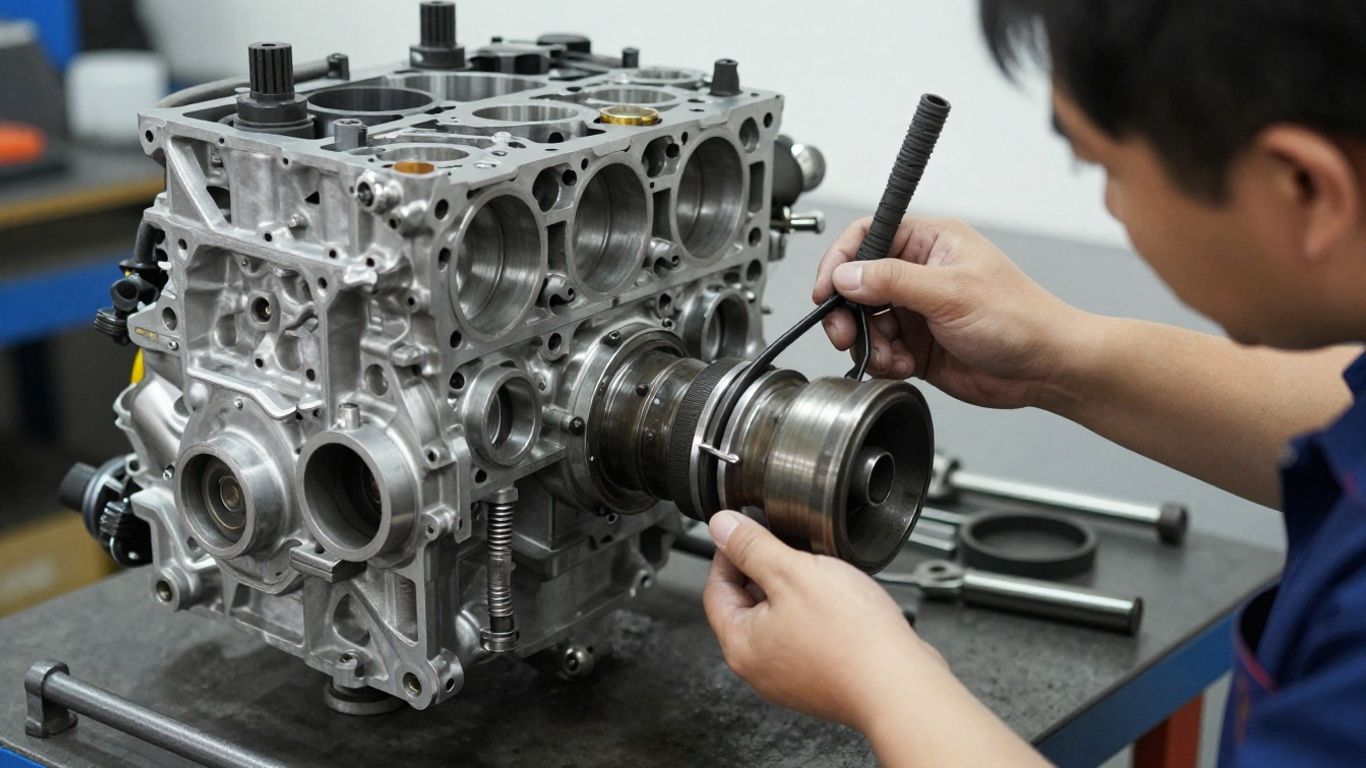
Factors that affect long-term reliability
The biggest factors include the cause of the original failure, the condition of the engine core, the quality of the replacement parts, and the standard of assembly. A unit damaged by overheating may need different scrutiny from one worn gradually through high mileage. If the original problem was caused by blocked cooling passages, poor lubrication, or a failing turbocharger, installing another engine without addressing that cause can repeat the failure.
Operating conditions matter too. Frequent short trips, heavy towing, neglected oil changes, and persistent overheating place greater demands on any engine. A reconditioned unit installed in a well-maintained vehicle may outlast a poorly treated new one, although no supplier can promise a fixed lifespan without knowing how the vehicle will be used.
The role of machining and replacement parts
Machining brings worn surfaces back within an acceptable specification. Depending on the engine, this may involve cylinder honing or boring, crankshaft polishing or grinding, valve-seat work, and checking the flatness of mating surfaces. The work needs to be measured accurately and matched with correctly sized bearings, rings, gaskets, and other parts.
Replacement parts are equally important. Cheap components may reduce the initial price but create problems with sealing, oil pressure, timing, or heat control. Ask which parts are new, which are refurbished, and which original parts were measured and approved. The specification matters more than appearance when deciding whether the engine has been restored properly.
Why installation quality matters
Even a well-prepared engine can fail early if it is installed into a vehicle with unresolved faults. The workshop should check the cooling system, lubrication system, wiring, sensors, mounts, exhaust connections, and transmission interface. It should also fill the correct fluids, prime the oil system where required, and verify that the engine management system is operating correctly.
The installer should investigate why the old engine failed rather than treating replacement as a simple remove-and-refit job. A blocked radiator, contaminated fuel system, damaged wiring loom, or failed oil cooler can undermine the replacement. The warranty may also require installation by a qualified workshop or compliance with particular procedures.
Typical lifespan compared with other engine options
There is no universal mileage figure for a reconditioned engine. A carefully restored unit with good parts and accurate machining may offer a long service life, while a lightly repaired engine with an uncertain history may not. A brand-new engine generally offers the most predictable starting point, while a used engine offers less information about future wear but may cost less initially.
The fairest comparison considers condition, warranty, usage, and total cost rather than a promised number of miles. A short urban commute and a high-mileage delivery vehicle create very different expectations. Treat lifespan estimates as planning guidance, not a guarantee.
Reconditioned engines compared with other choices
Choosing an engine is rarely a contest between one “best” option and several bad ones. A new unit, a used unit, a rebuild, and a reconditioned unit can all be appropriate in different circumstances. The decision should account for the vehicle’s age, the availability of compatible parts, the severity of the failure, and the amount of time the owner intends to keep the car. The fitted price is more meaningful than the engine’s advertised price alone.
Reconditioned versus brand-new engines
A brand-new engine has not accumulated operating wear and may come with strong manufacturer documentation and warranty support. It can be the clearest choice for a newer, high-value vehicle or one that must remain dependable for intensive use. The disadvantages are usually the larger purchase price and, for some vehicles, longer availability times.
A reconditioned engine trades some of that certainty for a lower entry cost and the opportunity to reuse a serviceable engine core. It can suit an older vehicle whose overall value does not justify a new factory unit. Compare warranty length, included parts, delivery time, and fitting requirements instead of assuming that either option is automatically better.
Reconditioned versus used or second-hand engines
A used engine is usually sold with its existing history and wear, often at a lower price and with quicker availability. Known mileage, compression information, donor-vehicle records, or a meaningful test report can make a used unit more attractive. However, the engine may contain wear that is not visible before installation, and its remaining service life can be difficult to predict.
A reconditioned engine should provide more information about the work performed, although that advantage exists only when the supplier documents the process. A useful second-hand engine comparison can help frame the trade-off between lower upfront cost, known mileage, inspection evidence, and the added work involved in reconditioning.
Reconditioned versus rebuilt engines
A rebuild normally centers on the original engine or a chosen core being dismantled, cleaned, measured, and fitted with replacement wear parts. Rebuilding may be financially sensible when the block and major castings are sound and the vehicle owner wants to retain the original unit. It also gives the workshop direct control over the inspection and assembly process.
“Reconditioned” may refer to a similar level of work, or it may describe a narrower repair, depending on the supplier. Ask for a written scope rather than deciding from terminology. This engine rebuild or replacement guide is useful when the original engine has suffered serious damage and the question is whether repair remains practical.
When an engine replacement may be more practical
Replacement becomes more attractive when the engine block is cracked, the crankshaft is severely damaged, or the cost of inspecting and machining the original unit approaches the cost of a prepared replacement. It may also make sense when the vehicle is needed quickly and a compatible, warrantied unit is available. The vehicle’s body, transmission, suspension, and electronics should still be in good enough condition to justify the investment.
A replacement is not always the same as buying new. It can mean fitting a used, reconditioned, or remanufactured unit, so the exact source should be stated on the quote. Include labor, fluids, belts, hoses, diagnostics, disposal, and any programming in the comparison.
The benefits and drawbacks of choosing one
The appeal of a reconditioned engine is straightforward: it may restore a useful vehicle without the full expense of a new power unit. It can also make use of an existing engine core and provide a more documented alternative to an unknown used engine. The drawbacks come from inconsistent terminology, variable workmanship, and the possibility that related vehicle faults have been overlooked. A balanced decision weighs those risks against the car’s remaining value.
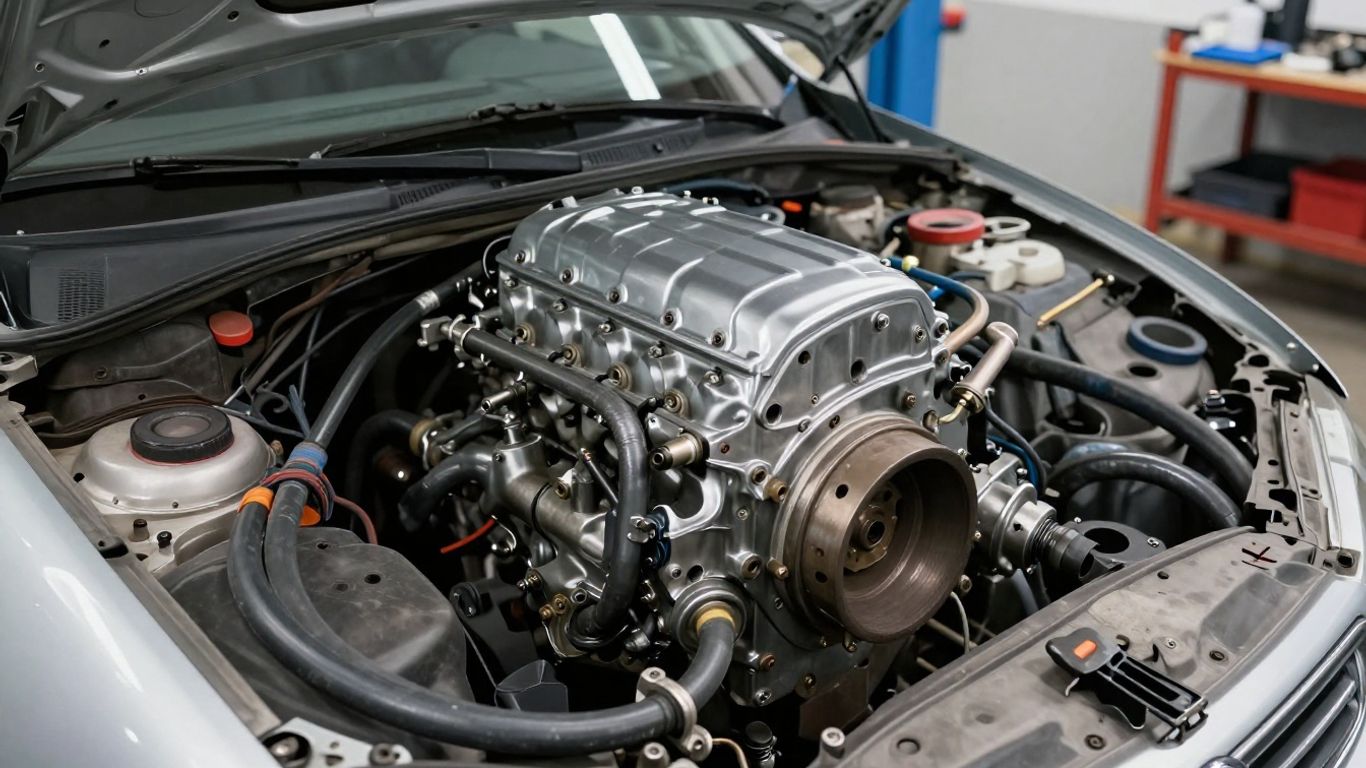
Potential savings over a new engine
The purchase price is often lower than that of a new engine, but savings should be calculated after installation. A bargain unit can become expensive if it needs extra sensors, a clutch, a turbocharger, wiring repairs, or repeated diagnostic work. Conversely, a well-specified reconditioned unit can reduce the risk of paying for a second removal and refit.
Make two complete estimates: one for the reconditioned engine and one for the new or alternative unit. Include tax, shipping, labor, ancillary parts, fluids, and likely diagnostic work. A lower quote is meaningful only when both estimates cover the same work.
Warranty and availability advantages
A written warranty can provide valuable protection if the engine develops a covered fault soon after installation. Check whether it covers parts, labor, removal, and replacement, and whether it applies only when specified oils, filters, or installation procedures are used. Also ask how a claim is investigated and who pays for transport or diagnostics.
Availability can be another advantage. A suitable reconditioned engine may be ready sooner than a factory-new unit, particularly for an older vehicle. Confirm that “in stock” means the correct engine is ready for dispatch, not merely that a similar core is available for future work.
Risks related to inconsistent quality
The principal risk is buying an engine described broadly but prepared narrowly. Missing inspection records, vague answers about parts, pressure-test results that are not supplied, and a warranty full of exclusions should all prompt further questions. A supplier may be honest and still unable to provide the level of evidence needed for a costly purchase.
A short checklist can keep the conversation focused:
- What exactly was dismantled, inspected, machined, or replaced?
- Which parts are new, refurbished, or original but measured serviceable?
- What testing was completed before dispatch?
- What does the warranty cover, and what installation conditions apply?
These questions do not guarantee quality, but they reveal whether the supplier has a controlled process. They also give the mechanic enough information to decide whether the proposed unit is appropriate.
Compatibility and fitting challenges
Engine compatibility involves more than matching the vehicle make and model. Engine codes, emissions equipment, sensors, mounts, transmission connections, immobilizer systems, and software calibration may differ between model years. Even a physically similar engine may require additional parts or programming before it can operate correctly.
Provide the vehicle identification number, registration details, engine code, transmission type, and any relevant modifications before ordering. Ask who is responsible if the unit arrives incompatible. Establishing that responsibility in writing is much safer than trying to resolve it after the old engine has been removed.
How to assess a reconditioned engine before buying
Assessment starts before the engine reaches the workshop. A credible supplier should be willing to explain its process, identify the unit, and state what is included in the price. The buyer does not need to be an engine machinist, but should understand enough to distinguish evidence from sales language. If answers remain vague, pause the purchase rather than relying on optimism.
Checking the supplier’s reputation
Look for a trading history, a physical business address, clear contact details, and reviews that discuss completed engine work rather than only delivery speed. Ask your mechanic whether the supplier is known for supplying compatible units and resolving warranty issues. A reputation is most useful when it relates to the same engine type and service arrangement you are considering.
Do not treat an isolated testimonial as proof of typical performance. Instead, look for consistent descriptions of communication, documentation, fitting support, and after-sales handling. The supplier’s willingness to discuss limitations can be more reassuring than an unconditional promise.
Reviewing the parts and machining specifications
Request the build or inspection sheet before committing. It should identify the engine and give enough detail to show whether the process was targeted or comprehensive. Useful information may include measurements, machining operations, replaced wear items, pressure testing, and any components excluded from the work.
Have an independent mechanic review the sheet if the terminology is unfamiliar. Ask whether the proposed engine includes ancillary components such as injectors, manifolds, sensors, a turbocharger, or a flywheel. The answer can materially change the fitted cost and the risk of transferring old, worn parts to the replacement.
Understanding the warranty terms
Read the warranty as a set of operating conditions, not just a headline duration. Find out when cover begins, how quickly a fault must be reported, whether labor is included, and what evidence is required. Some warranties exclude consequential damage, overheating, low oil pressure, incorrect fluids, or components that were not supplied with the engine.
Ask whether the warranty is transferable, whether scheduled servicing must be documented, and whether the supplier approves the installer. Keep invoices, photographs, diagnostic reports, and service records. Good records can make a legitimate claim much easier to handle.
Confirming engine codes and vehicle compatibility
Before ordering, compare the code stamped on the replacement with the code listed for the vehicle. Check emissions configuration, transmission compatibility, drive layout, sensor connections, and software requirements. A workshop should also confirm whether the vehicle’s existing engine management module can be retained or needs adaptation.
Give the supplier complete information, including unusual options and modifications. If there is any uncertainty, obtain a written compatibility confirmation that lists what is included and what must be transferred from the old engine. This simple step can prevent a costly mismatch.
What the installation and break-in process involves
Installation is a process, not merely the physical act of bolting in an engine. The workshop must prepare the vehicle, identify the original failure, transfer or replace related components, and check the completed system before the first road test. Break-in guidance varies by engine and supplier, so the written instructions should take priority over generic internet advice. The owner should receive a clear record of what was done.
Preparing the vehicle for engine replacement
The workshop should inspect the cooling system, fuel system, wiring, mounts, exhaust, transmission interface, and oil circuits before installation. Contaminated oil, metal debris, coolant loss, or a failed component from the original breakdown may need to be addressed first. The vehicle should also be scanned for relevant fault codes and checked for software or immobilizer issues.
Preparation is especially important after overheating or lubrication failure. Simply cleaning the engine bay does not remove every source of contamination, and a blocked radiator or damaged oil cooler can quickly harm the replacement. The repair order should record these checks rather than leaving them as assumptions.
Replacing related components during installation
Some parts are inexpensive compared with the labor required to access them later. Depending on the engine and failure, the workshop may recommend new filters, fluids, seals, belts, tensioners, hoses, spark plugs or glow plugs, clutch components, and thermostat parts. Not every item needs replacement, but each should be assessed on condition and access.
The mechanic should explain which components are included in the quotation and which are optional recommendations. Reusing a sound part can keep the repair affordable; reusing a hidden wear item simply to reduce the initial bill may create a second repair later.
Following the manufacturer’s break-in guidance
A replacement engine may require a particular starting, idling, driving, and oil-change procedure. Follow the supplier’s written instructions, use the specified fluids, and avoid heavy loads or sustained high engine speeds until the stated break-in period is complete. Monitor temperature, oil pressure warnings, unusual smoke, leaks, and changes in noise.
A short, gentle road test should be followed by a careful inspection for leaks and fault codes. If a warning light appears or the engine behaves abnormally, stop and contact the installer rather than continuing in the hope that the problem will disappear.
Maintaining the engine after installation
Maintenance should begin with a confirmed baseline. Record the installation mileage, fluid types, filter brands if relevant, and the date of the first service. Check fluid levels regularly during the early miles and follow the planned oil and filter intervals without stretching them.
Keep the cooling system in good condition and respond quickly to overheating, low oil pressure, hard starting, or unusual consumption. The maintenance schedule should reflect the vehicle’s actual use, including towing, short journeys, or high annual mileage. Careful servicing protects the investment and provides useful evidence if a warranty issue arises.
When a reconditioned engine is a reliable choice
A reconditioned engine is most convincing when the vehicle is otherwise worth keeping, the engine core is suitable, and the supplier can describe the work in concrete terms. It can restore dependable transport without committing to the highest-cost option. It is less attractive when the car has several unrelated faults or when the engine’s history cannot be explained. The decision should be made from the complete repair picture, not the replacement unit alone.
Situations where reconditioning makes financial sense
Reconditioning may suit an older vehicle with a sound body, transmission, and electrical system, particularly when the owner knows its history and wants to keep it. It can also make sense when a compatible new engine is disproportionately expensive or unavailable. A business vehicle with established maintenance records may justify the investment more readily than a neglected car with uncertain future repairs.
Compare the repair with the vehicle’s likely service over the next few years. If the engine replacement restores a car that is otherwise reliable, the cost may be reasonable even when it exceeds the vehicle’s immediate resale value. Transport needs and replacement-car prices also belong in that calculation.
Warning signs that suggest choosing another option
Consider another route if the block or cylinder head has severe structural damage, the vehicle has extensive rust or electrical problems, or the transmission is already failing. A very low quotation with no parts schedule, no testing evidence, and no meaningful warranty is another reason to step back. Delay is also a concern if the workshop cannot give a realistic delivery or installation date.
A used engine, a more comprehensive remanufactured unit, a rebuild, or replacing the vehicle may all be more practical in those circumstances. The right alternative depends on the vehicle and budget, not on a general rule that one engine category always wins.
Questions to ask a mechanic or supplier
A calm conversation before ordering can uncover most of the important uncertainties. Ask who inspected the engine, what failed originally, which dimensions were measured, and what testing was performed after assembly. Also ask how the warranty works in practice and what the workshop will do if the engine is incompatible or develops a covered fault.
You should leave with clear answers to these questions:
- What engine code and specification will be supplied?
- What work is included, and which parts are excluded?
- What is the complete fitted price, including fluids and diagnostics?
- What break-in and servicing instructions must be followed?
- Who pays for labor and removal if a warranty claim is accepted?
Written answers are preferable to a verbal assurance at the counter. They make it easier to compare quotes and give the installer a shared understanding of the job.
How to make the final cost-versus-reliability decision
Start with the total cost of keeping the vehicle on the road, then weigh the evidence behind each engine option. A cheaper engine with uncertain compatibility may carry more financial risk than a slightly dearer unit with clear specifications and warranty support. Likewise, a new engine may be poor value if the rest of the vehicle is near the end of its useful life.
If you are still comparing repair with replacement, this engine replacement guide offers a useful way to think about factory-new, crate, and reconditioned options without reducing the decision to price alone. The most reliable choice is usually the one with a sound core, documented work, professional installation, and a vehicle that is worth maintaining.
Conclusion
A reconditioned engine can be reliable, but reliability comes from verified inspection, suitable replacement parts, accurate machining, careful installation, and disciplined maintenance—not from the label alone. Compare the complete fitted cost, ask for clear records, read the warranty, and confirm compatibility before ordering. For the right vehicle and supplier, it can be a practical balance between preserving a trusted car and avoiding the cost of a new engine.
Frequently Asked Questions
What is a reconditioned engine and is it reliable?
It is a used engine that has been inspected and restored, often with worn or damaged components repaired or replaced. It can be reliable when the work is thorough, documented, and followed by correct installation and maintenance.
How long can a reconditioned engine last?
There is no fixed lifespan because engine condition, parts quality, machining, driving conditions, and servicing all vary. A well-restored engine may provide many years of service, but a supplier should not promise a universal mileage figure.
Is a reconditioned engine better than a used engine?
It may offer more information about inspection and replaced parts, while a used engine may cost less and be available sooner. The better choice depends on the evidence, warranty, known history, compatibility, and total fitted price.
Is reconditioning the same as rebuilding?
Not always. Rebuilding usually describes dismantling and restoring an engine by replacing worn components, while reconditioning can mean anything from targeted repairs to more extensive restoration. Ask for the exact scope of work rather than relying on the term.
What should a reconditioned engine warranty cover?
Check whether it covers parts, labor, removal, replacement, diagnostics, and consequential damage. Also review exclusions, required servicing, approved installation conditions, reporting deadlines, and the evidence needed to make a claim.
Should related parts be replaced during installation?
Potentially, yes. Filters, fluids, seals, belts, hoses, thermostats, clutch parts, or other components may be worth replacing if they are worn, contaminated, difficult to access later, or connected to the original failure. The workshop should explain each recommendation.
Can any reconditioned engine fit my vehicle?
No. Engine codes, emissions equipment, mounts, transmission connections, sensors, wiring, and software can differ between vehicles that appear similar. Confirm the complete specification and compatibility in writing before the old engine is removed.