

Key Takeaways
An engine replacement may take a day or several weeks, depending on the vehicle, replacement engine, parts supply, and condition of surrounding components.
- A straightforward replacement often involves one to three days of total shop time.
- Labor hours are only part of the schedule; diagnosis, ordering, testing, and shop workload also matter.
- Used, rebuilt, and remanufactured engines can have different availability and preparation requirements.
- Rust, damaged wiring, cooling problems, and computer faults commonly extend the repair.
- A written parts list and completion estimate can make the process easier to plan.
Average engine replacement timeline
The answer to “How long does it take to replace an engine” depends on whether you mean hands-on labor or the full time your vehicle remains at the shop. A simple swap may require roughly a day of concentrated work, while the total turnaround is often longer because the shop must confirm the diagnosis, source the engine, schedule technicians, and complete testing. This engine replacement timeline gives a useful overview of the process from inspection through quality checks.
Typical time for a standard engine swap
For a familiar vehicle with a compatible replacement engine already available, the physical work may take about 8 to 15 labor hours. That does not necessarily mean the car will be ready the next morning, since labor can be spread across the shop’s schedule and additional parts may be needed. In practical terms, many uncomplicated replacements fall within roughly one to three business days once work begins.
The estimate becomes more useful when the shop separates labor time from calendar time. Ask whether the quoted period includes diagnosis, parts ordering, installation, fluid service, computer checks, and the final road test.
Why some replacements take one to two days
A one- or two-day timeline is more plausible when the engine is a direct fit and the vehicle has not suffered extensive corrosion or collision damage. The shop may be able to transfer compatible components, connect the existing systems, and begin testing without waiting for unusual parts. Familiarity with that vehicle also reduces the time spent checking procedures.
Even then, a careful technician should not rush the last stage. Leak checks, temperature monitoring, warning-light diagnosis, and a road test are part of returning the vehicle safely, not optional extras that can simply be skipped to meet a promised date.
When the job can take a week or longer
A replacement can stretch to a week or more when the engine must be ordered, the vehicle has a cramped or unusual layout, or the shop discovers damage after removal. A complex vehicle may require more disassembly, specialized programming, or additional inspections. Delays also occur when the shop is waiting for approval before replacing related components.
Some repair timelines reach 10 to 14 business days when parts, vehicle design, and workload overlap. That longer window is not automatically a sign of poor workmanship, but the shop should explain what is holding the vehicle and what decision is needed next.
How repair shops estimate completion dates
Shops usually build an estimate from the diagnosis, expected labor, engine availability, parts lead times, and the number of vehicles already scheduled. The first date they give may be provisional until the old engine is removed and hidden problems become visible. A responsible estimate includes contingency rather than treating every vehicle as identical.
Ask for two dates: the earliest realistic completion date and the date the shop will update you if that target changes. Written communication makes it easier to distinguish a genuine parts delay from an uncommunicated scheduling problem.
Factors that affect how long replacement takes
Two vehicles can need the same broad repair yet spend very different amounts of time in a shop. Engine position, access to connections, replacement type, and the condition of the vehicle all influence the work. Parts availability often matters as much as wrench time, so the calendar estimate should be treated as a range rather than a guarantee.
Vehicle make, model, and engine layout
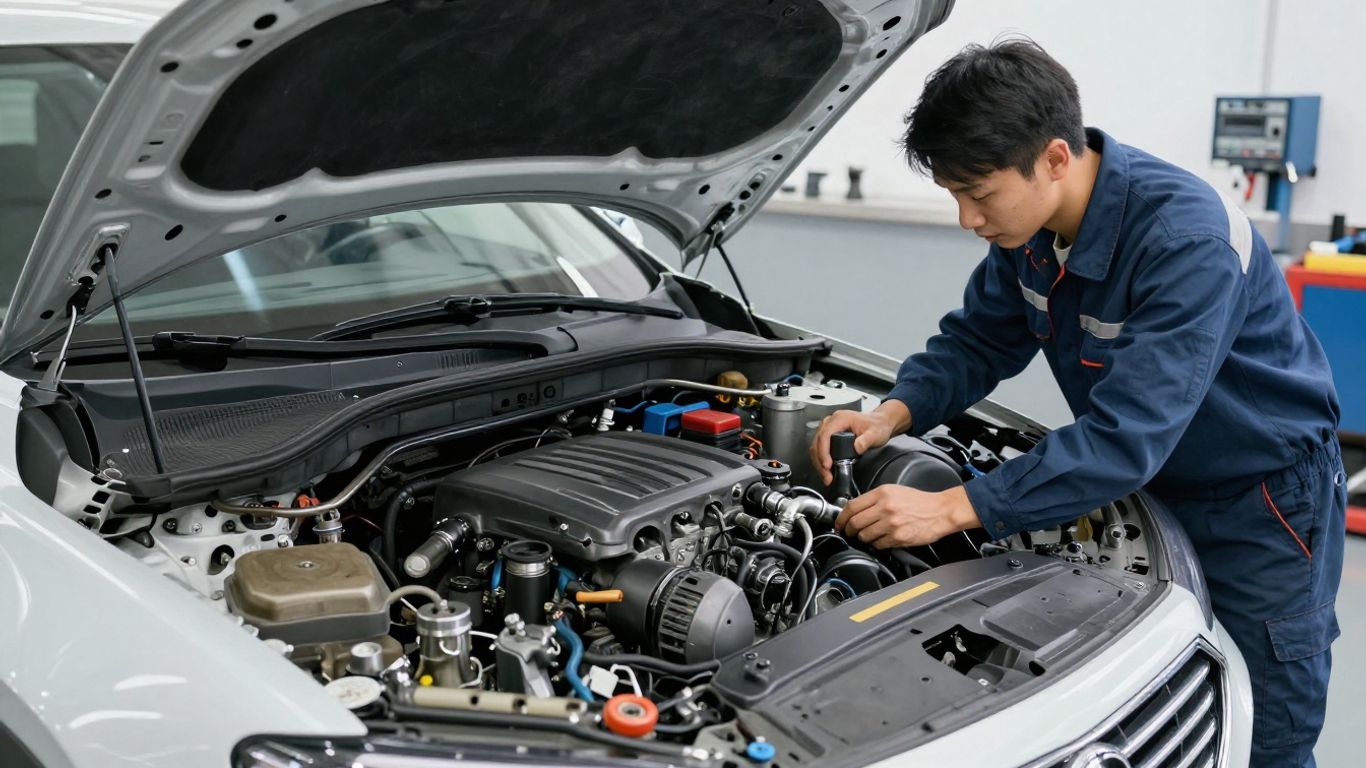
A front-wheel-drive vehicle, rear-wheel-drive truck, and tightly packaged performance car may require very different removal procedures. Access to the transmission, exhaust, wiring, cooling lines, and engine mounts affects how quickly the old unit can be separated. Some models also require more components to be moved aside before the engine can be lifted out.
The vehicle’s service procedures matter too. A shop that regularly works on the same make may know the common connection points and recurring trouble spots, while an unfamiliar model can require more reference time and careful documentation.
New, rebuilt, used, or remanufactured engines
The replacement source changes both preparation and availability. A new engine may arrive with some components that still need to be transferred, while a used engine may require inspection and replacement of seals or accessories before installation. Rebuilt and remanufactured units can also have different included parts, warranties, and shipping schedules.
Before approving the job, confirm exactly what the quoted engine includes. A lower initial price may not shorten the repair if missing sensors, mounts, injectors, or accessories must be sourced separately.
Parts availability and shipping times
An engine can be ready to install while the vehicle remains stationary because a gasket set, hose, sensor, mount, or belt is backordered. Shipping damage or a wrong part number can create another round of waiting. This is why the replacement engine alone does not tell you when the car will be finished.
A parts check before disassembly helps, but it cannot eliminate every delay. Ask whether the shop has confirmed availability for the engine and the related parts most likely to be replaced during the work.
Rust, damage, and unexpected complications
Rust can make fasteners difficult to remove and may affect mounts, exhaust connections, or brackets. Previous repairs, collision damage, oil contamination, and heat damage can reveal problems that were not visible during the initial estimate. These findings may require additional labor or a revised parts order.
The best protection is a clear approval process. The shop should photograph or describe unexpected damage, explain whether it affects safety or reliability, and obtain your permission before adding substantial work.
What happens during an engine replacement
An engine replacement is a sequence of connected tasks rather than one single installation. The shop first confirms that replacement is necessary, then removes the failed unit, prepares the replacement, reconnects the vehicle, and verifies operation. Skipping an early step can create problems later, so a longer process may reflect careful work rather than wasted time.
Diagnosing the original engine failure
Diagnosis should establish that the engine itself has failed and that replacement is more appropriate than a smaller repair. The technician may review symptoms, scan the vehicle, inspect fluids, perform mechanical tests, and look for external causes of the failure. This stage also helps identify systems that could damage the replacement if left unresolved.
A rushed diagnosis can lead to an expensive installation that does not solve the original complaint. Confirm what testing was performed and what evidence supports the replacement recommendation.
Removing the old engine and related components
Technicians disconnect electrical connections, fuel and cooling lines, exhaust components, accessories, mounts, and drivetrain connections as required by the vehicle. They label or document connections so the replacement can be installed correctly. The old unit is then lifted or lowered out using appropriate shop equipment.
Removal is often where hidden problems become apparent. Broken connectors, seized hardware, weakened mounts, or damaged lines may not be visible until the engine bay is open.
Preparing and installing the replacement engine
Before installation, the replacement unit is checked against the vehicle and prepared according to the agreed scope of work. The technician may transfer compatible accessories or sensors and replace accessible seals or other specified parts. The engine is then positioned, aligned, and secured before the surrounding systems are reconnected.
This is a point where the written estimate matters. It should make clear whether accessories, mounts, fluids, filters, and related seals are included or priced separately.
Connecting systems and refilling fluids
The shop reconnects wiring, fuel delivery, cooling, exhaust, intake, charging, and drivetrain systems as applicable. Fluids are filled or replaced, and the technician checks that connections are secure. Air may need to be removed from a cooling system, and some vehicles require special procedures before the engine is started.
A visual check for loose connections and leaks follows the initial refill. Small mistakes at this stage can produce warning lights, overheating, poor running, or fluid loss during testing.
Testing, tuning, and inspecting the vehicle
After startup, technicians monitor idle quality, fluid leaks, operating temperature, warning lights, and sensor readings. They may perform computer checks, correct faults, and carry out a road test under controlled conditions. The vehicle should be inspected again after the test so any issue found on the road can be addressed.
The final test is not merely a formality. It is the shop’s opportunity to confirm that the engine and the systems around it work together before the vehicle is released.
Differences between dealerships and independent shops
A dealership and an independent shop may follow similar mechanical steps, but their scheduling systems, equipment, and familiarity with a particular vehicle can differ. Neither type of shop is automatically faster. The best choice depends on the vehicle, the replacement engine, the repair’s complexity, and how clearly the shop communicates its schedule.
How dealership procedures affect the timeline
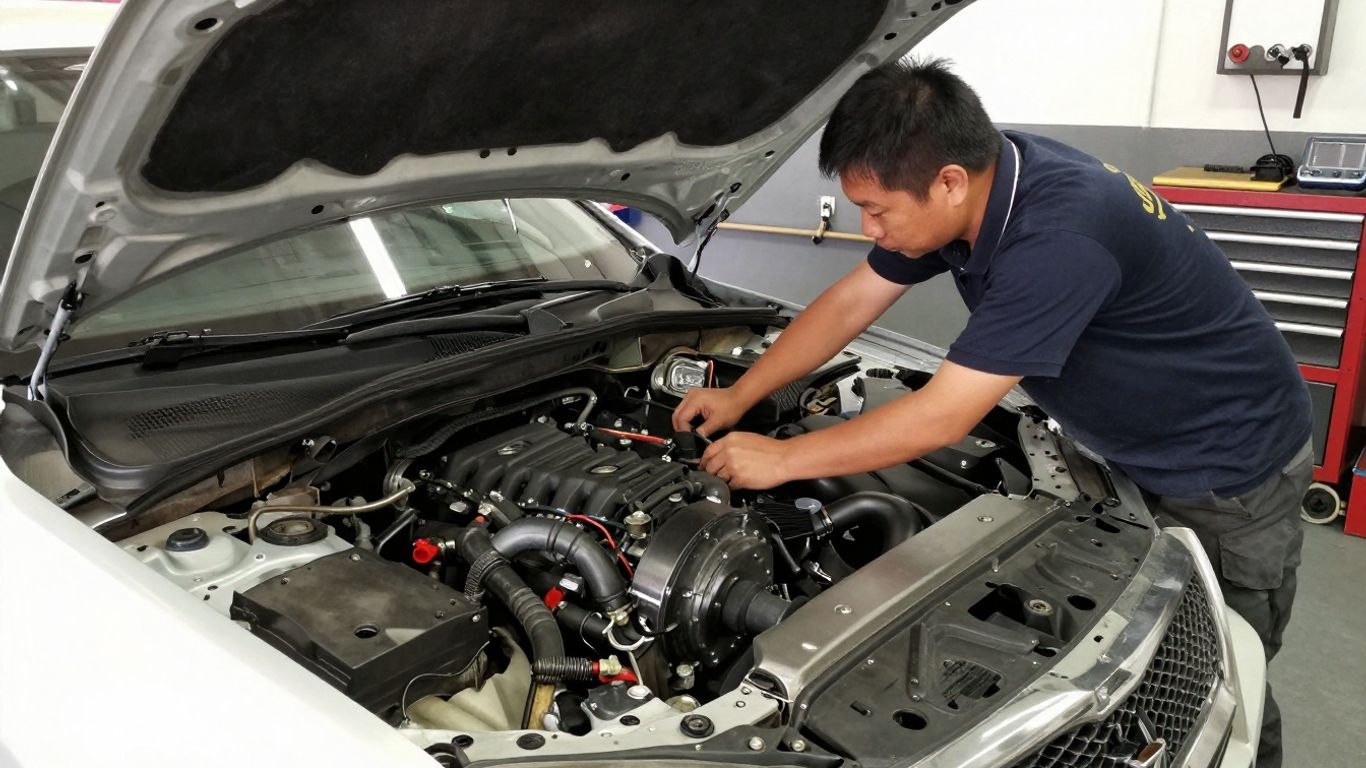
Dealerships may have direct access to factory procedures, vehicle-specific diagnostic equipment, and original replacement channels. At the same time, internal authorization steps, warranty documentation, and a busy service queue can add calendar time. A dealership repair may therefore be technically well supported without being the quickest option.
For repairs involving warranty questions or manufacturer-specific programming, ask which steps require approval and whether the replacement engine is already allocated to the vehicle. A dealership timeline guide can also help explain why diagnosis and parts availability affect the schedule.
When an independent mechanic may work faster
An independent shop may have a shorter queue or more flexibility in sourcing an engine and approving related repairs. That can reduce waiting when the vehicle is common and the technician has handled similar replacements. Speed still depends on equipment, staffing, and whether the shop must send out programming or specialty work.
Compare the actual scope of each estimate rather than comparing promised dates alone. A faster quote is only meaningful if it includes the same testing, fluids, components, and warranty terms.
Technician experience and equipment considerations
Experience with the vehicle’s engine family can prevent avoidable pauses and help the technician anticipate difficult connections. Proper lifting equipment, diagnostic tools, torque procedures, and a clean workspace also support a more predictable installation. These practical details are worth asking about before work begins.
A shop should be able to explain who will perform the repair, what testing equipment will be used, and whether any specialized programming will be handled in-house or by another provider.
How shop workload can delay the repair
Even a well-equipped shop can fall behind when several vehicles need urgent work or when a technician is absent. A vehicle may be partially disassembled but waiting for a lift, a specialist, an approval, or a delivery. That can make the repair feel stalled even though individual tasks are progressing.
Ask how often the shop will provide updates and whether the vehicle has an assigned work slot. A specific update plan is more useful than a vague promise that the repair is being prioritized.
Common delays after the engine is installed
Installation does not always mark the end of the repair. The first startup and road test can uncover issues that were hidden by the failed engine or disturbed during removal. Planning for a short diagnostic period after installation is sensible, particularly on older or high-mileage vehicles.
Discovering damaged hoses, wiring, or mounts
Old hoses may crack when moved, wiring connectors may be brittle, and engine mounts may be worn or damaged. These parts can be difficult to judge before the old engine is removed. Replacing them may add time, but leaving a clearly unsafe or unreliable component in place can create a larger failure later.
Ask the shop to separate necessary repairs from recommended maintenance. That distinction lets you make a reasoned decision without treating every additional suggestion as an emergency.
Fixing cooling and fuel system problems
A replacement engine still depends on the vehicle’s cooling and fuel systems. A clogged radiator, weak water pump, damaged fuel line, air pocket, leaking hose, or faulty thermostat can cause trouble during testing. The shop may need to diagnose those systems before it can safely release the car.
Cooling problems deserve particular attention because overheating a replacement engine can cause serious damage. Confirm that the vehicle reached normal operating temperature and that the technician checked for leaks and abnormal readings.
Resolving computer and sensor issues
Modern vehicles rely on electronic controls and sensors that must communicate correctly with the replacement engine. A connector may be loose, a sensor may not match the vehicle, or the computer may need a relearn or programming procedure. Warning lights during initial testing do not always mean the replacement engine itself is defective, but they do require investigation.
The shop should identify the exact fault code or symptom and explain the correction. Replacing parts by guesswork can add both cost and delay without solving the problem.
Completing road tests and follow-up repairs
A road test allows the technician to assess starting, idle, acceleration, shifting, temperature, noise, and vibration under real driving conditions. If a problem appears, the vehicle may return to the bay for adjustment or repair. This final loop is one reason a firm handover date can move after startup.
Before collecting the vehicle, ask what was tested, whether any issues remain, and when a follow-up inspection is recommended. Keep the repair order and warranty information with your vehicle records.
How to plan for an engine replacement
Planning begins before the engine is ordered. You need a realistic schedule, a clear understanding of what is included, and a backup plan for getting around while the vehicle is unavailable. A thoughtful decision also considers the condition and value of the rest of the vehicle, not just the failed engine.
Questions to ask before approving the work
A written conversation with the shop can prevent misunderstandings. Ask these questions before authorizing disassembly or ordering the replacement:
- What evidence confirms that the engine needs replacement?
- What type of replacement engine is being supplied, and what does it include?
- Which parts, fluids, programming, and testing are included in the estimate?
- What warranty applies to the engine and the installation?
The answers should be specific enough for you to compare estimates fairly. If a shop cannot explain the scope, the completion range may be equally unclear.
How to confirm the estimated completion date
Request the estimate in writing, including the date parts are expected, the projected start date, and the conditions that could change the schedule. Ask who will contact you if the engine is delayed or if additional damage is found. This creates a clear point of contact instead of leaving you to call repeatedly.
For a broader decision about whether the repair suits your vehicle, this engine replacement guide covers considerations beyond timing. The right answer depends on the vehicle’s overall condition, your ownership plans, and the full cost of returning it to dependable service.
What transportation to arrange while your car is being repaired
Arrange transportation based on the longer end of the shop’s estimate, not the most optimistic date. A rental car, rides from family, public transit, or temporary use of another vehicle may each work for a different situation. Confirm whether your insurance, warranty, or repair agreement provides any rental coverage before the work starts.
Keep a small buffer after the expected completion date if you have work, travel, or appointments that cannot move. The vehicle may need an additional inspection or a follow-up repair even after the replacement is installed.
When replacing the engine may not be worthwhile
Replacement may be harder to justify when the transmission, suspension, body, electronics, or interior also need expensive work. Compare the complete repair estimate with the vehicle’s condition and the cost of finding a dependable replacement vehicle. A lower purchase price for another car does not automatically mean lower total ownership cost, though.
Look at the decision as a whole rather than focusing only on the engine invoice. A careful cost comparison, such as this engine replacement cost guide, can help you identify expenses that may sit outside the base labor quote.
How to reduce engine replacement time
You cannot remove every uncertainty from a major repair, but you can reduce avoidable waiting. The most effective steps happen before the vehicle enters the bay: provide accurate information, choose a suitable and available engine, and agree on how additional work will be approved. Clear decisions early often prevent a repair from pausing later.
Choose a readily available replacement engine
Ask the shop which suitable engine options are currently in stock or have a confirmed delivery date. Availability should be weighed alongside condition, compatibility, warranty, and included components. Choosing an unsuitable unit simply because it ships faster can create more delay during installation.
Have the shop verify the engine using the vehicle identification number and the correct engine specifications. Compatibility checks are faster before ordering than after an engine arrives at the shop.
Provide the shop with accurate vehicle information
Give the shop the vehicle identification number, mileage, engine size, drivetrain information, and a complete description of the failure. Mention previous repairs, warning lights, overheating, unusual noises, and any modifications. Accurate information helps the technician prepare the right parts and procedures.
Bring maintenance records if you have them. They can show what has already been replaced and prevent unnecessary searching or duplicate work.
Approve related repairs without unnecessary delays
When the shop finds a damaged mount, hose, belt, or connector, ask what happens if it is not repaired now and whether the vehicle can be safely completed without it. Once you understand the consequence, respond promptly. Waiting several days for approval can extend the schedule more than the repair itself.
Do not approve every item without question, either. Separate safety-critical or installation-related work from optional maintenance, and request the price and time effect for each choice.
Get a written timeline and parts estimate
A useful estimate lists the replacement engine, included components, labor, fluids, expected start and completion dates, and possible exclusions. It should also explain how the shop handles additional work discovered after removal. Written details make changes easier to evaluate and give both sides the same reference point.
Keep in mind that a timeline is a forecast, not a guarantee. Still, a shop that explains its assumptions can usually provide much better updates when circumstances change.
Conclusion
Engine replacement can take one to three days in a straightforward case, but parts, vehicle design, hidden damage, shop workload, and testing may extend the schedule. The most reliable way to plan is to ask for a written scope, confirm engine availability, allow time for post-installation checks, and judge the repair against the condition of the entire vehicle.
Frequently Asked Questions
How long does it usually take to replace an engine?
A straightforward replacement may take one to three business days in total, while complex vehicles or parts delays can extend the repair to a week or more.
Is engine replacement one day of labor?
Some jobs may involve about a day of hands-on labor, but calendar time also includes diagnosis, scheduling, parts delivery, preparation, testing, and possible follow-up repairs.
What causes an engine replacement to take longer?
Common causes include unavailable parts, a difficult engine layout, rust, damaged mounts or wiring, cooling-system faults, computer issues, and a crowded shop schedule.
Does the type of replacement engine affect timing?
Yes. New, used, rebuilt, and remanufactured engines can differ in availability, included components, preparation needs, shipping time, and compatibility checks.
Can a dealership replace an engine faster than an independent shop?
Neither is always faster. A dealership may have vehicle-specific tools and procedures, while an independent shop may have a shorter queue or more flexible scheduling.
Should I arrange transportation for a week?
It is sensible to make transportation plans around the longer end of the estimate, especially if the vehicle is complex or the replacement engine has not arrived yet.
When should I reconsider replacing the engine?
Reconsider when other major systems also need expensive repairs, the vehicle has significant rust or damage, or the complete repair cost does not fit the vehicle’s condition and your ownership plans.