

Key Takeaways
Automatic transmission failure usually develops through heat, fluid problems, wear, electrical faults, or damaging driving habits. Recognizing changes early can turn a major replacement into a manageable repair.
- Low or degraded fluid can reduce lubrication and hydraulic pressure.
- Excess heat accelerates damage to fluid and internal components.
- Slipping, delayed engagement, smells, and unusual noises deserve attention.
- Proper fluid, cooling, and service intervals help extend transmission life.
- A professional diagnosis should come before approving a rebuild or replacement.
How automatic transmissions work and why they fail
An automatic transmission has to manage engine power, vehicle speed, and driver demand without a clutch pedal. It does this through fluid pressure, gearsets, clutch packs, bands, and electronic controls working together. Because so many parts depend on one another, a small fault can eventually create a larger mechanical problem.
The role of transmission fluid and hydraulic pressure
Transmission fluid lubricates moving parts, carries heat away, and provides the hydraulic pressure needed to apply clutches and bands. If the level drops, the fluid becomes badly degraded, or the wrong fluid is used, the system may struggle to engage gears cleanly. A fluid problem is often a cause of poor shifting, but it can also be a symptom of a leak.
How gears, clutches, and bands transfer power
Inside the transmission, planetary gearsets provide different ratios for starting, cruising, and reversing. Clutch packs and bands hold selected components of those gearsets while hydraulic pressure applies them in a controlled sequence. Friction material gradually wears, and damaged surfaces can allow the engine to rev without transferring power efficiently.
Why heat is one of the biggest transmission threats
Heat is produced whenever fluid moves through the system and friction surfaces engage. Towing, hauling, stop-and-go traffic, steep grades, and an ineffective cooler can push temperatures higher than the transmission can comfortably manage. Over time, excessive heat breaks down fluid and hardens seals, making overheating a particularly serious answer to the question, What causes transmission failure in automatic cars?
A useful overview of transmission overheating explains why fluid serves both cooling and lubricating roles. The practical lesson is simple: heat control is not a luxury reserved for heavy-duty vehicles; it is part of ordinary transmission care.
How electronic controls affect shifting performance
Modern automatic transmissions use sensors, solenoids, and control modules to decide when and how firmly to shift. A faulty speed sensor or solenoid can produce symptoms that resemble internal wear, including delayed, harsh, or missing shifts. Electrical diagnosis therefore matters, even when the driver feels the problem mechanically.
The most common causes of automatic transmission failure
Transmission failure rarely has one universal cause. Fluid loss, heat, age, electrical faults, and neglected leaks can overlap, which is why guessing from one symptom is risky. The following causes are common, but the exact source still needs to be confirmed on the vehicle.
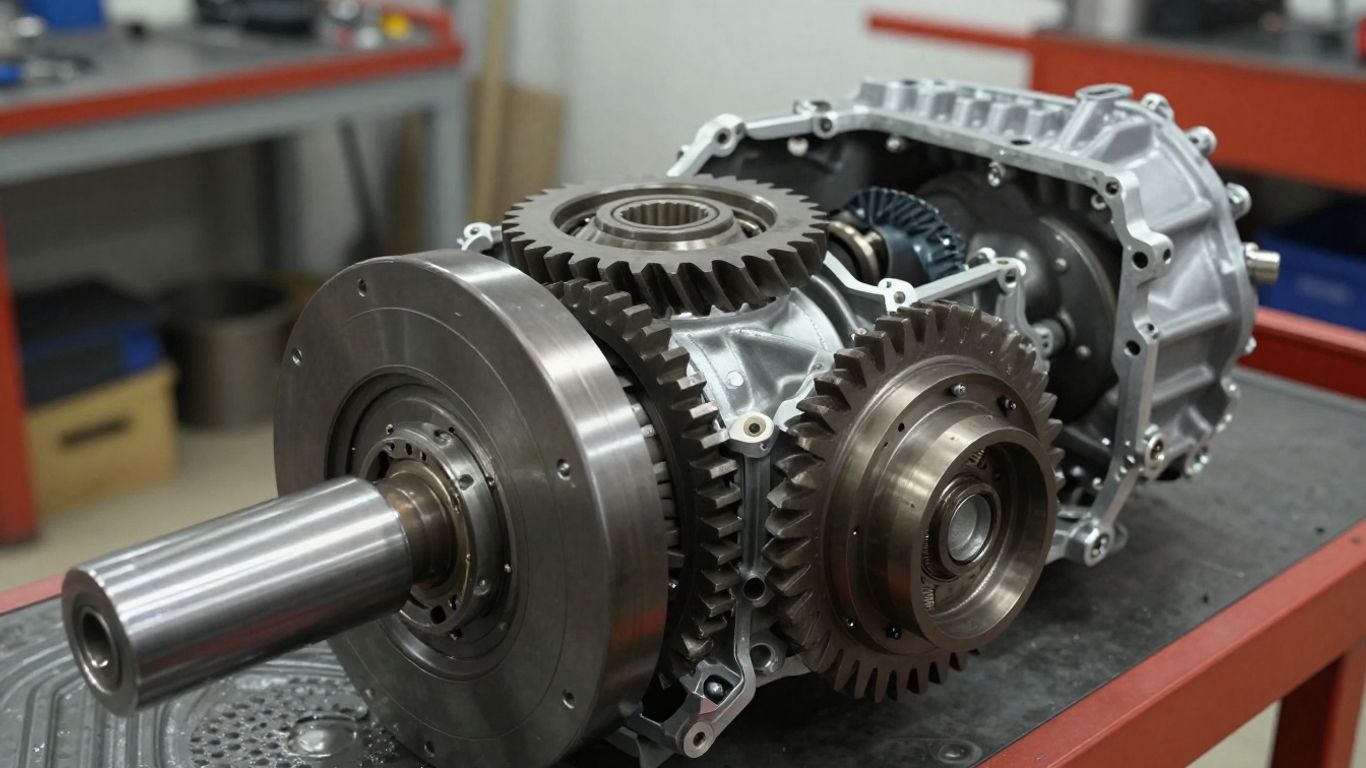
Low, old, or contaminated transmission fluid
Low fluid often means a seal, gasket, cooler line, or other connection is allowing fluid to escape. Old fluid may lose some of its protective properties, while contamination can interfere with valves and clutch operation. Checking the level correctly matters because some transmissions must be checked at a particular temperature or with a specific procedure.
A helpful fluid and filter guide discusses how low fluid, clogged filters, and torque-converter problems can contribute to transmission trouble. Those possibilities should be treated as diagnostic leads, not proof of a particular failure.
Overheating from heavy loads or poor cooling
A vehicle working hard generates more heat than it does during a short, gentle commute. Repeated towing, mountain driving, or a blocked radiator and cooler can overwhelm the system. Once fluid overheats, it may no longer protect friction surfaces effectively, allowing wear to accelerate.
Normal wear in clutches, bands, and bearings
Even a well-maintained transmission eventually experiences friction and bearing wear. High mileage, repeated heavy use, and long intervals between services can make that wear more pronounced. When friction material is badly worn or a bearing becomes damaged, a fluid change alone is unlikely to restore normal operation.
Faulty solenoids, sensors, and control modules
Solenoids regulate fluid passages, while sensors report speed, temperature, and position to the control module. A failure in any of these areas can create incorrect shift timing or put the transmission into a protective mode. A stored code helps guide the investigation, but it does not automatically identify the failed part.
Leaking seals, gaskets, and transmission lines
Leaks can begin as a damp area around a pan, axle seal, cooler line, or electrical connector. They become more serious when fluid reaches a hot surface or the level falls far enough to affect hydraulic pressure. A puddle under the vehicle should be identified rather than assumed to be engine oil or water from the air conditioner.
Driving habits that can damage an automatic transmission
Many transmissions are damaged not by one dramatic mistake but by repeated stress. Smooth inputs, correct gear selection, and attention to the vehicle’s limits reduce unnecessary heat and shock. The habits below are easy to change, which makes them some of the most practical preventive measures.
Shifting between reverse and drive while moving
Selecting Reverse before the vehicle has fully stopped forces internal components to change direction under load. The same is true when moving from Reverse to Drive too quickly. Come to a complete stop, hold the brake, and then select the new range.
Towing beyond the vehicle’s rated capacity
Towing more than the manufacturer allows increases heat and load throughout the drivetrain. Even within the rating, hills, high temperatures, and long distances may call for more frequent breaks or a lower gear. The owner’s manual should be the starting point for capacity and operating guidance.
Aggressive acceleration and frequent hard shifting
Hard launches and repeated full-throttle shifts create greater friction and heat than ordinary driving. Occasional brisk acceleration is not automatically destructive, but a pattern of harsh use can expose existing weaknesses. Smooth throttle application gives the transmission more time to apply each clutch and change ratio.
Ignoring the correct gear on steep roads
On a steep descent, selecting an appropriate lower range can reduce repeated braking and prevent the transmission from hunting between gears. On an ascent, the right gear keeps the engine and transmission from struggling in an unsuitable high ratio. Drivers should follow the vehicle’s manual rather than forcing a gear that does not match road speed.
Driving with warning signs or unusual noises
Continuing to drive after slipping, delayed engagement, or a burning smell can turn a small service issue into internal damage. Arrange an inspection promptly, especially if the vehicle loses drive or begins making a new grinding or clunking sound. A general discussion of damaging driving habits offers another reminder that neglect and overheating often reinforce each other.
Warning signs of developing transmission problems
A transmission may give several warnings before it stops moving the vehicle. One symptom can have multiple causes, and some engine or electrical faults can feel similar. Still, noticing a pattern—especially a change that is becoming more frequent—should prompt a professional check.
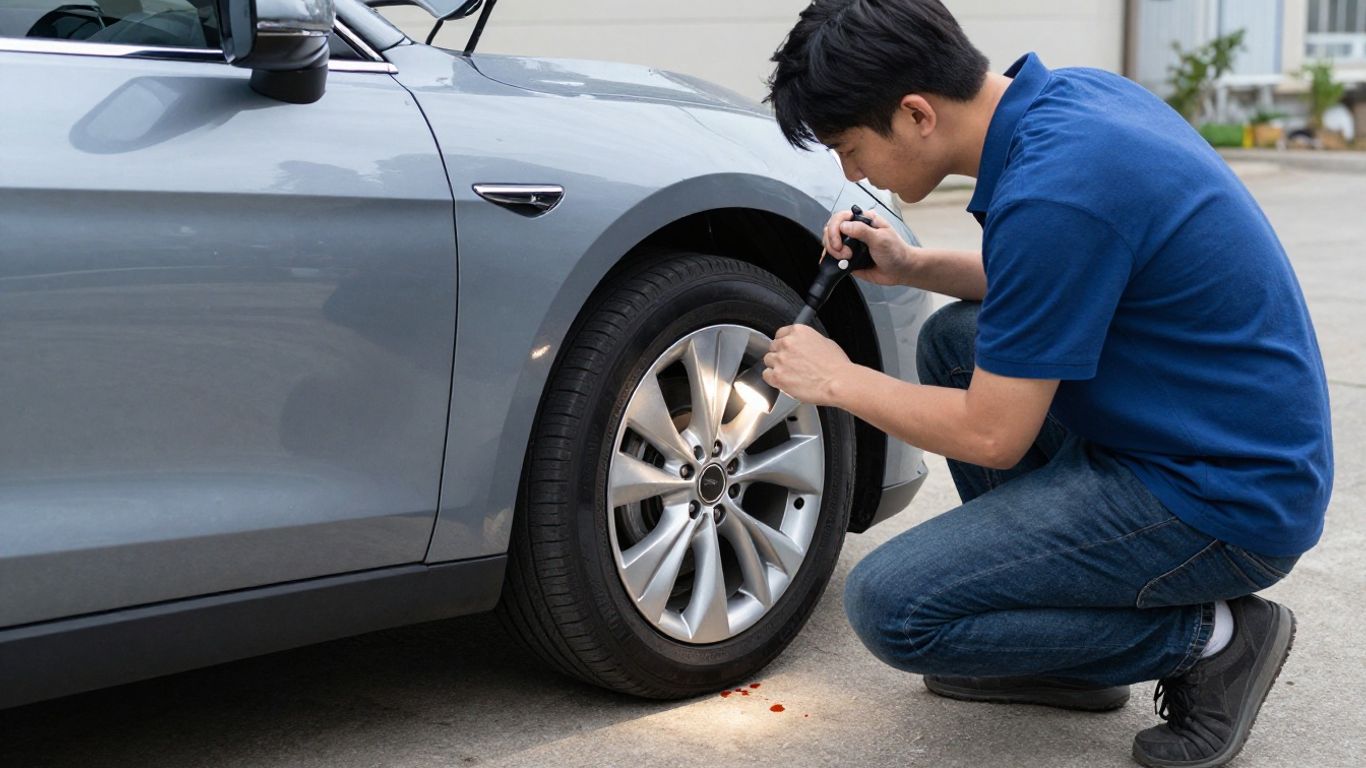
Slipping gears and delayed engagement
Slipping occurs when the selected gear does not stay firmly engaged, often causing engine speed to rise without a matching increase in road speed. Delayed engagement may appear as a pause after selecting Drive or Reverse. Low fluid, worn clutches, hydraulic faults, and electronic problems can all produce these symptoms.
Hard, jerky, or erratic shifting
A firm shift may result from incorrect pressure, a control problem, worn mounts, or internal damage. If the behavior appears only when the vehicle is cold, only after warming up, or only in one gear, tell the mechanic because that timing can narrow the diagnosis. A record of when the symptom occurs is more useful than a general description that it “shifts badly.”
Grinding, whining, humming, or clunking sounds
New sounds deserve attention because they may point to worn bearings, damaged gears, low fluid, or a problem elsewhere in the drivetrain. Grinding is especially concerning when it changes with gear selection or vehicle speed. Do not assume a noise is harmless simply because the car still moves.
Burning smells and fluid leaks
A burnt odor can indicate overheated or badly degraded fluid, though oil or another component may also be responsible. Fluid under the vehicle should be inspected for color, location, and texture rather than diagnosed by appearance alone. Continuing to drive with a leak can reduce lubrication and pressure.
Dashboard warning lights and reduced performance
A check-engine or transmission warning light may appear when the control system detects an electrical or operating fault. Reduced performance, limited gear selection, or a protective mode can follow. The light should be scanned soon, even if switching the vehicle off temporarily makes the symptom disappear.
How mechanics diagnose automatic transmission failure
Good diagnosis begins with the simplest explanations and moves toward more invasive testing only when needed. A technician considers the vehicle’s history, symptoms, fluid condition, electronic data, and physical evidence together. That approach helps prevent replacing an expensive unit when a sensor, line, or cooling problem is the real cause.
Checking fluid level, color, and odor
The technician first verifies whether the fluid level and checking method match the manufacturer’s procedure. Color and odor can provide clues about age, contamination, or overheating, but they are not conclusive by themselves. Fluid inspection is most useful when combined with the symptoms and service history.
Scanning for diagnostic trouble codes
A scan tool can reveal codes stored by the transmission or related control systems. Codes may identify a circuit, sensor range, shift event, or communication fault, but they generally point toward an area for testing rather than naming a guaranteed repair. Live data can show whether sensor readings make sense while the vehicle operates.
Inspecting leaks, linkages, and electrical connections
A visual inspection may find a loose connector, damaged wiring, leaking line, broken mount, or linkage that is not selecting the intended range. These checks are relatively straightforward and can prevent an incorrect assumption about internal failure. The technician should also look for evidence of previous repairs or impact damage.
Testing hydraulic pressure and shift operation
Pressure testing helps determine whether the pump, valve body, passages, and clutch circuits are producing the force required for operation. A road test or controlled shop test can then compare actual shifts with the complaint. Because these tests involve moving parts and hot fluid, they should be performed by a qualified professional.
Distinguishing transmission faults from engine problems
An engine misfire, throttle fault, sensor issue, or driveline problem can feel like a transmission failure. Mechanics compare engine data with shift behavior and may test the vehicle under different conditions. This distinction matters because repairing the transmission will not cure a problem originating in the engine.
For another perspective on separating delayed shifts, slipping, leaks, and computer faults, see this transmission symptom guide. It is best used to organize questions for a technician, not to replace an inspection.
How to prevent costly transmission damage
Prevention is mostly consistent, ordinary care rather than a special driving trick. The right fluid, proper cooling, and timely attention to symptoms give the transmission its best chance of lasting. Maintenance requirements vary, so the vehicle’s service information should take priority over generic advice.
Following the manufacturer’s service schedule
Service intervals may depend on mileage, time, temperature, towing, traffic, and the transmission design. Some vehicles specify fluid replacement, while others have different inspection requirements. Keep receipts and records so a technician can see what has already been done.
Using the correct transmission fluid
Automatic transmission fluids are not interchangeable simply because they look similar. The wrong specification can affect friction characteristics, seal compatibility, and shift operation. Confirm the required fluid in the owner’s manual or a reliable service source before topping up or servicing the unit.
Keeping the cooling system in good condition
The radiator, transmission cooler, lines, and surrounding airflow all influence operating temperature. A cooling-system problem can therefore become a transmission problem, particularly during towing or hot-weather driving. Address coolant leaks, blocked airflow, and damaged lines rather than waiting for a temperature-related symptom.
Servicing the transmission after severe use
Frequent towing, commercial driving, mountainous routes, deep sand, and prolonged stop-and-go traffic can qualify as severe service. That may call for inspections or fluid service at intervals different from ordinary commuting. Use the manual’s severe-use schedule when it provides one.
A practical maintenance plan is easier to follow when it is tied to specific checks:
- Look for new spots or dampness beneath the vehicle.
- Pay attention to changes in engagement and shift timing.
- Record unusual smells, noises, and dashboard warnings.
- Confirm fluid specifications before any top-up or service.
These small observations give a technician useful information and can reveal a developing issue before internal parts suffer extensive damage. They also make scheduled service more productive.
Addressing small symptoms before they worsen
A brief delay or occasional flare may seem minor, but intermittent symptoms can become constant as wear progresses. Schedule diagnosis while the vehicle still operates normally enough to test safely. The goal is not to assume the worst; it is to avoid allowing uncertainty to become expensive damage.
If maintenance is competing with a busy schedule, a system for automated follow-up can be useful for reminders in a general business context, while follow-up email apps cover a different kind of recurring task. Neither changes the vehicle’s mechanical needs, but both illustrate why written reminders can help prevent important tasks from being forgotten.
When repair, rebuilding, or replacement makes sense
The most sensible repair depends on what failed, how much damage has occurred, and the vehicle’s overall condition. A leak or solenoid may be addressed without removing the transmission, while extensive clutch, gear, or bearing damage may require disassembly. Cost estimates should be based on test results, not on the most alarming symptom alone.
Comparing minor repairs with internal transmission damage
External leaks, wiring faults, sensors, solenoids, mounts, and some valve-body concerns may be repairable without replacing the complete unit. Internal damage is a different category because access requires substantial labor and additional parts. Ask the shop to explain which finding supports the proposed repair.
When a transmission rebuild is a practical option
A rebuild can make sense when the case and major hard parts are serviceable and the vehicle is otherwise worth keeping. The work typically involves disassembly, cleaning, inspection, and replacement of worn components. The estimate should clearly state what is included and what happens if hidden damage is discovered.
Factors that influence replacement costs
Replacement cost varies with the transmission design, parts availability, labor time, programming requirements, fluid, cooling-system work, and warranty terms. A used unit may have an unknown history, while a remanufactured unit may carry different coverage and pricing. Compare complete, itemized estimates rather than one headline number.
How vehicle age and mileage affect the decision
A major repair deserves to be considered alongside the car’s market value, maintenance history, rust or collision damage, and likely future repairs. High mileage alone does not automatically rule out rebuilding if the vehicle is reliable and well maintained. Conversely, a newer vehicle may still be a poor candidate if several unrelated systems are failing.
Questions to ask before approving major repairs
Before authorizing work, ask what was tested, what failed, and whether the diagnosis is confirmed or provisional. Clarify the parts used, labor coverage, warranty duration, break-in requirements, and the expected turnaround time. You can also ask whether a second test or inspection would materially improve confidence in the decision.
For service logistics unrelated to diagnosis, an online car service booking process may help organize an appointment, but the repair decision should still rest on documented findings from the vehicle itself.
Conclusion
Automatic transmission failure usually develops through a combination of heat, fluid problems, wear, electronic faults, leaks, and repeated stress. Paying attention to early symptoms, following the correct service schedule, and obtaining a careful diagnosis can protect both the vehicle and the repair budget.
Frequently Asked Questions
What causes transmission failure in automatic cars?
Common causes include low or contaminated fluid, overheating, worn internal components, leaking seals, and faults in sensors or solenoids. Several causes can occur together, so diagnosis is needed to identify the actual failure.
Can low transmission fluid ruin an automatic transmission?
Yes, driving with very low fluid can reduce lubrication and hydraulic pressure, increase heat, and accelerate internal wear. Find and repair the leak rather than simply adding fluid and continuing to drive.
Is a burning smell always caused by the transmission?
No. A burning smell can come from overheated transmission fluid, engine oil, brakes, wiring, or another component. Its source should be checked promptly, especially if shifting changes at the same time.
How long can I drive with a slipping transmission?
There is no reliable safe distance. Slipping can worsen quickly and create additional heat and friction damage, so limiting driving and arranging an inspection is the safer choice.
Does changing transmission fluid fix shifting problems?
It may help when the problem is related to fluid condition or level, but it cannot repair badly worn clutches, damaged gears, failed bearings, or certain electrical faults. Fluid service should follow the correct specification and procedure.
Is a transmission rebuild better than replacement?
Neither is always better. A rebuild may suit a repairable unit in a vehicle worth keeping, while replacement may be more practical when damage is extensive or a suitable unit is available with favorable warranty coverage.
When should I see a mechanic about transmission trouble?
Arrange a professional inspection for slipping, delayed engagement, repeated harsh shifts, new grinding or clunking, fluid leaks, burning smells, warning lights, or reduced performance. Early testing may reveal a smaller problem before it becomes internal damage.