

Key Takeaways
Gearbox slipping usually means engine power is not reaching the wheels as steadily or directly as it should. A careful symptom check can help you decide whether to stop driving, arrange testing, or book a repair.
- Watch for rising engine RPM without matching acceleration.
- Pay attention to delayed, rough, or unexpected gear changes.
- Check fluid, leaks, warning lights, and related engine symptoms.
- Avoid a road test if the vehicle feels unsafe or unpredictable.
- Get professional diagnosis before approving major transmission work.
Understand what gearbox slipping means
A gearbox, often called a transmission, manages the relationship between engine speed and wheel speed. It selects ratios that let the vehicle pull away, cruise efficiently, and climb without overworking the engine. Learning how that process should feel is the first step in understanding how to tell if your gearbox is slipping.
How the transmission transfers power
The engine creates torque, and the transmission passes that torque through a selected gear ratio to the drive wheels. In an automatic vehicle, hydraulic pressure, clutches, and electronic controls coordinate those changes. In a manual vehicle, the clutch temporarily disconnects the engine from the gearbox so the driver can select another ratio.
A healthy system makes the connection feel predictable. Engine speed may rise during a normal shift, but the vehicle should continue gaining speed in a way that matches the throttle and road conditions.
What happens when the gearbox slips
Slipping occurs when the selected gear or clutch does not hold power firmly. The engine can rev higher while the vehicle responds slowly, or the transmission may hesitate before engaging. It can also feel as if the car briefly loses drive and then catches again.
The sensation is not always dramatic at first. A short flare in RPM, a delayed response after pressing the accelerator, or a shift that feels less definite than usual may be the earliest clue.
Automatic versus manual gearbox slipping
In an automatic gearbox, slipping may appear as a delayed shift, an unexpected change, or a jump in RPM between gears. Low or deteriorated fluid, worn internal friction components, and control faults are among the possibilities, but symptoms alone cannot identify the exact cause.
In a manual vehicle, a worn clutch can allow the engine to rev without transferring equivalent force through the gearbox. Drivers may notice it most clearly in a higher gear under load, such as when accelerating uphill.
Why early detection matters
Continuing to drive with repeated slipping can create more heat and wear. A small fluid or control issue may be easier to address than damage to internal components, although only an inspection can establish that distinction.
Early diagnosis limits guesswork as well as potential damage. Note when the symptom appears, whether the vehicle is hot or cold, and what gear or driving condition is involved.
Recognize the most common warning signs
No single symptom proves that a gearbox is slipping. Still, a pattern involving RPM, acceleration, gear engagement, smell, or warning lights deserves attention. Compare the vehicle with its normal behavior rather than with another car.
Unexpected increases in engine RPM
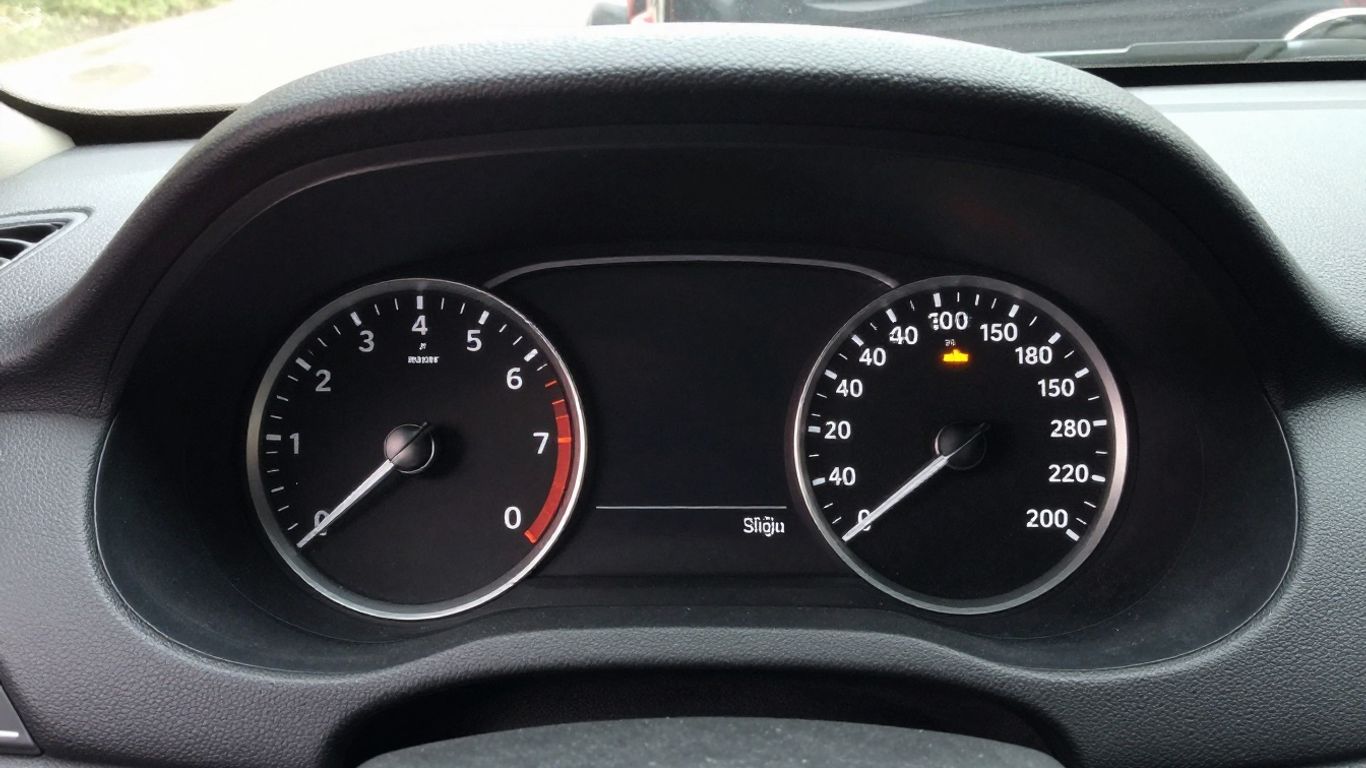
The classic sign is an engine-speed flare without a comparable increase in road speed. You press the accelerator, the tachometer rises, but the vehicle takes a moment to respond. If this happens repeatedly during a shift or while climbing, record the conditions and have the system checked.
A brief RPM increase can occur during a normal gear change, so timing matters. The concern is a repeated or unusually large gap between engine revs and acceleration.
Delayed or harsh gear engagement
A delay when selecting Drive, Reverse, or a manual gear can point to a transmission or clutch problem. A harsh clunk, shudder, or abrupt catch may also indicate that engagement is not being controlled smoothly.
These sensations can have other causes, including mounts or electronic controls. That is why the direction of the shift, the length of the delay, and whether the engine was warm are useful details for a technician.
Trouble accelerating or maintaining speed
A slipping vehicle may feel weak even though the engine sounds busy. It can hesitate when pulling away, lose speed on an incline, or struggle to maintain a steady pace without unusually high RPM.
The most useful comparison is between effort and result: normal throttle input should produce a reasonably consistent response. If the vehicle repeatedly falls out of that pattern, avoid towing or heavy loads until it has been assessed.
Burning smells, noises, or dashboard warnings
A hot or burning odor may follow repeated slipping because friction creates heat. Whining, grinding, humming, or clunking noises add urgency, particularly if they change with gear selection or vehicle speed. A check-engine or transmission warning light should also be treated as supporting evidence, not something to ignore.
Use the symptoms as a compact report for the repair shop. These are the details worth writing down:
- The speed and gear when the symptom appears.
- Whether RPM rises without matching acceleration.
- Whether the vehicle is cold, warm, loaded, or climbing.
- Any odor, noise, leak, or dashboard warning.
That record helps separate an intermittent concern from a consistent pattern and can make the initial conversation much more productive.
Check for symptoms during a road test
A road test can reveal a relationship between throttle, RPM, gear selection, and vehicle speed that is difficult to reproduce while parked. Choose a quiet, legal route and focus on observation rather than trying to provoke a severe failure. If the vehicle is already jerking, losing drive, or behaving unpredictably, skip this step.
Testing acceleration from a stop
With the vehicle fully warmed and in a safe area, accelerate gently from a stop. Notice whether the engine revs rise smoothly with forward movement or whether the tachometer jumps while the car lags behind.
Repeat only if the first observation was mild and the vehicle remains controlled. Do not use aggressive throttle inputs to force a symptom; a modest test is enough to identify an obvious mismatch.
Observing gear changes at steady speed
At a steady speed on level ground, listen and feel as the vehicle changes ratio. A normal shift should settle without prolonged revving, a sudden loss of drive, or a sharp catch. In a manual vehicle, pay attention to whether engine speed rises when the clutch is engaged under acceleration.
A useful live-data drive test may help a qualified technician compare sensor readings with the actual road behavior. Drivers should not treat a basic scan or a single observation as a complete diagnosis.
Checking performance on hills
An incline places more load on the engine and transmission, which can make a marginal clutch or gearbox problem easier to notice. Use a familiar, low-traffic hill and apply steady, moderate throttle. Watch for an RPM flare, loss of speed, or a gear change that feels delayed.
Do not keep climbing if the vehicle begins to smell hot, loses forward motion, or cannot maintain safe traffic speed. A slipping transmission guide can help you compare these broad symptoms, but it cannot inspect your particular vehicle.
When a road test may be unsafe
Do not road-test a car that cannot select a gear, suddenly drops out of drive, produces grinding noises, or has a strong burning odor. Loss of acceleration in traffic is a safety issue, even if the vehicle still moves.
Arrange professional assistance instead. A short description of what happened, when it happened, and whether warning lights appeared will be more useful than risking a second occurrence.
Identify other problems that can feel like slipping
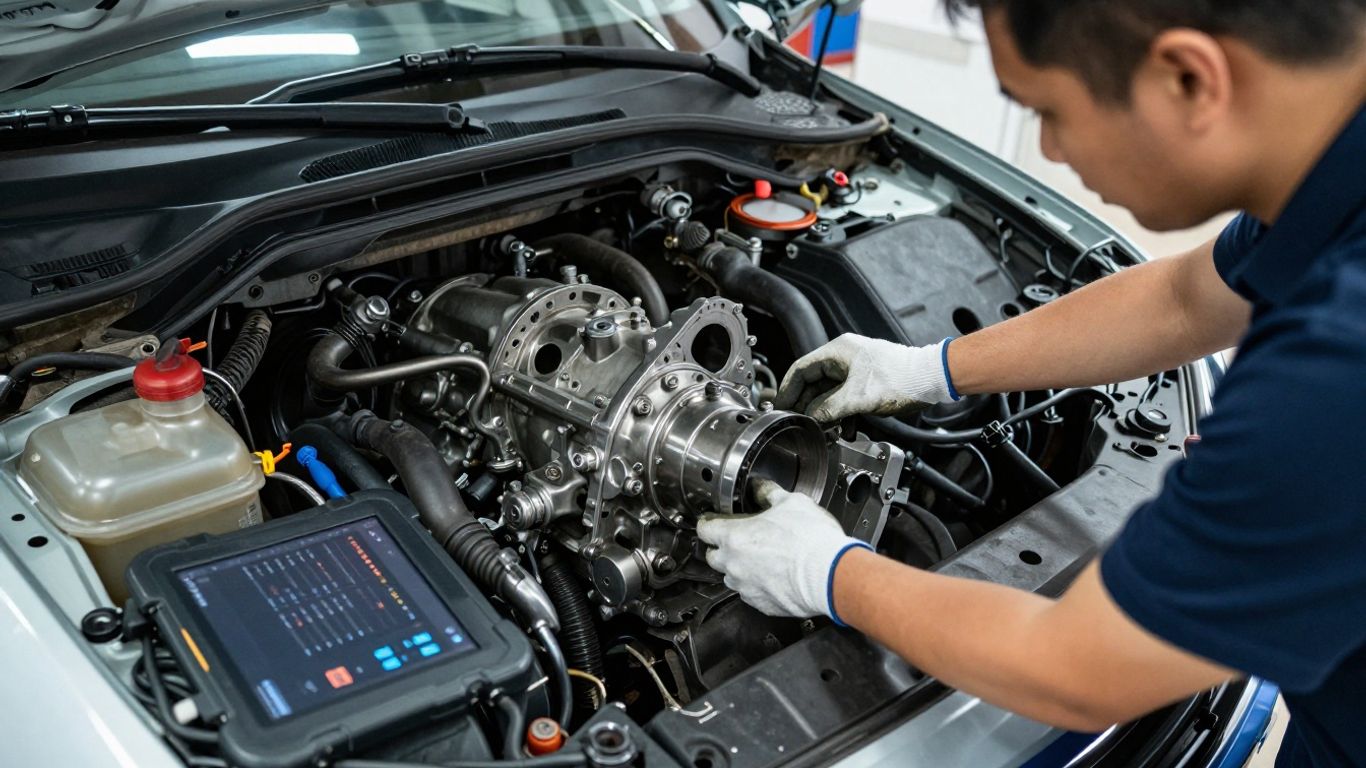
Several faults can imitate a slipping gearbox. The engine may be misfiring, a sensor may be reporting incorrect information, or a worn mount may make a normal shift feel severe. Diagnosis works best when the entire powertrain is considered rather than assuming every RPM change comes from the gearbox.
Low or contaminated transmission fluid
Fluid that is low, overheated, or contaminated can affect lubrication and the pressure needed for engagement. It may also leave a leak beneath the vehicle. The correct fluid type and checking procedure depend on the vehicle, so do not add a random product based only on color.
Fluid trouble is a possibility, not a guaranteed explanation. A proper check should account for the level, condition, temperature, and manufacturer procedure.
Worn clutch components in manual vehicles
A manual clutch with a worn friction disc, pressure plate, or related component may slip under load. The engine revs climb, but acceleration does not keep pace. A burning odor after hill starts or repeated heavy use can support that suspicion.
This issue may be outside the gearbox itself, even though the driver experiences it as a transmission problem. A technician can test clutch engagement and inspect related components before recommending parts.
Faulty sensors or electronic controls
Modern automatic transmissions use sensors and control modules to manage shifting. An incorrect speed signal, wiring problem, or control fault can cause delayed or inappropriate gear changes without severe internal wear.
Diagnostic trouble codes may narrow the search, but a stored code identifies a system condition rather than automatically naming the failed part. Live readings and a physical inspection still matter.
Engine and drivetrain issues with similar symptoms
An engine misfire can cause hesitation, while worn engine or transmission mounts can create a thump during a shift. Problems with axles, differentials, or throttle control may also feel like lost power.
For perspective, even unrelated equipment guides such as beginner trekking poles stress matching the tool to the conditions; the same practical principle applies here. A symptom should be interpreted in context, not assigned a cause from one sensation alone.
Inspect the gearbox and confirm the problem
Confirmation usually combines the owner’s observations with visual checks, scan data, and a controlled test. Some checks are reasonable at home, while others require lifting equipment or specialized measurement. If you are unsure, do not work beneath a vehicle supported only by a jack.
Checking the fluid level and condition
Consult the owner’s manual before checking transmission fluid. Some vehicles have a dipstick, while others require a level check at a specified temperature with the vehicle positioned correctly. Look for an abnormal odor, particles, or a visibly degraded condition, but remember that appearance alone is not conclusive.
Never substitute fluid or additives without confirming compatibility. A wrong fluid can create new shifting problems and complicate later diagnosis.
Looking for leaks under the vehicle
Park on a clean, level surface and look for fresh drops or damp areas near the transmission, axle seals, cooler lines, or pan. Note the color and location without touching an unknown fluid. A leak can lower the level enough to affect engagement, but not every wet spot comes from the gearbox.
Photographing the area and noting when the spot appears can help a specialist. If fluid is actively dripping, limit driving and arrange an inspection.
Reading diagnostic trouble codes
A scan tool may reveal codes related to shift solenoids, speed sensors, pressure, or other control conditions. Write down the exact code numbers and whether they are current, pending, or historical. Clearing codes before testing can erase useful evidence.
The code is one part of the story. Compare it with symptoms, fluid condition, wiring, and road-test data before authorizing a repair.
When professional transmission testing is needed
Professional testing is appropriate when slipping is repeated, the vehicle loses drive, the warning light returns, or basic checks do not explain the behavior. A specialist may inspect the hydraulic or electronic control system and evaluate internal wear using procedures suited to the vehicle.
When choosing a shop, ask how it confirms the fault, what testing is included, and whether the estimate separates diagnosis from repair. You can also read a Google review guide before judging online feedback; specific, balanced reviews are generally more useful than star ratings alone.
Decide what to do about a slipping gearbox
The right response depends on severity, cause, vehicle condition, and the quality of the diagnosis. A fluid service can help when fluid level or condition is the actual problem, but it cannot restore badly worn friction material. Be cautious of any recommendation made without inspection or an explanation of the evidence.
Immediate steps to limit further damage
If the vehicle is slipping, avoid hard acceleration, towing, steep climbs, and unnecessary trips. Pull over if it loses drive, smells hot, or becomes difficult to control. Keep the fluid level from falling further only if the manufacturer’s procedure and correct fluid are known.
Do not continue testing simply to see whether the symptom gets worse. Repeated heat and load can turn an intermittent problem into a major failure.
When a fluid service may help
A service may be sensible when the fluid is low because of a repairable leak, contaminated, or overdue according to the vehicle’s maintenance requirements. The shop should first verify the level and identify why it changed. Service should not be presented as a cure for unexplained internal damage.
Ask what the service includes and what findings would lead to a different recommendation. Clear answers are a better sign than a promise that fresh fluid will solve every shift concern.
Signs the gearbox needs repair or replacement
Persistent slipping, metal or debris in the fluid, repeated loss of drive, severe noise, or confirmed internal wear can indicate that repair or replacement is necessary. The most economical choice depends on the vehicle’s age, value, condition, parts availability, and warranty terms.
Get a written diagnosis and estimate. If the recommendation is expensive, a second professional opinion can help confirm whether the proposed work matches the evidence.
How to choose a qualified transmission specialist
Look for a shop that explains its testing process, provides a written estimate, and distinguishes confirmed findings from possibilities. Ask about parts, labor, warranty coverage, and what happens if additional damage appears after disassembly. Accreditation and hands-on preparation matter in many technical fields, which is why an accredited trade school guide can offer useful general context when evaluating training claims.
For broader business research, even a commercial transfer guide illustrates why written terms and clear responsibilities matter. Those are general decision-making principles, not transmission qualifications, so verify automotive credentials separately.
Conclusion
Knowing how to tell if your gearbox is slipping starts with noticing the mismatch between engine effort and vehicle response, then checking the surrounding clues. Drive gently or stop altogether when safety is uncertain, document what you observe, and use a qualified inspection to distinguish fluid, clutch, electronic, engine, and internal gearbox problems before choosing a repair.
Frequently Asked Questions
What does gearbox slipping feel like?
It often feels like the engine revs rise without a matching increase in vehicle speed. Hesitation, delayed engagement, unexpected shifting, or a sudden return of power may occur as well.
Can low transmission fluid cause slipping?
Yes, low or deteriorated fluid can affect lubrication and the pressure needed for engagement. The cause of the low level should still be found, since a leak may be present.
Is a high RPM always a sign of slipping?
No. RPM can rise normally during acceleration or a gear change. It becomes more concerning when engine speed increases repeatedly without comparable acceleration or when the change is accompanied by hesitation.
Can a manual clutch slip even if the gearbox is healthy?
Yes. A worn clutch can allow the engine to rev while limiting power transfer, creating a sensation that resembles gearbox slipping.
Should I keep driving if the transmission slips occasionally?
Avoid unnecessary driving until the cause is checked, especially if there is a burning smell, loud noise, loss of drive, or a warning light. Continuing under load may worsen the damage.
Can a diagnostic scanner confirm a slipping gearbox?
A scanner can reveal relevant codes and, with suitable equipment, provide useful data. It does not replace fluid checks, physical inspection, and a controlled diagnosis.
Is transmission replacement always necessary?
No. Some problems involve fluid, leaks, sensors, controls, or a clutch rather than major internal damage. Replacement should follow a documented diagnosis and a comparison of repair options.