

Key Takeaways
A failing engine can show several warnings before it stops working, but no single symptom proves that replacement is necessary.
- Knocking, smoke, overheating, and major power loss deserve prompt diagnosis.
- A check-engine light identifies a fault; it does not automatically mean the engine must be replaced.
- Compression, leak-down, oil-pressure, and fluid checks help separate major damage from a repairable fault.
- Replacement makes more sense when internal damage is extensive and the rest of the vehicle remains sound.
- Stop driving after severe overheating, loud internal noises, or sudden power loss, and obtain a written inspection.
The most common signs of serious engine failure
The signs my engine is failing and needs replacement are rarely limited to one dramatic moment. More often, noise, smoke, reduced performance, and rising temperatures develop together. These symptoms can also come from a damaged sensor, cooling-system fault, transmission problem, or exhaust issue, so they should be treated as reasons to investigate rather than as an automatic verdict.
Persistent knocking, tapping, or grinding sounds
A light tap at startup may have a relatively simple cause, but a deep knock that follows engine speed is more concerning. It can point to trouble involving bearings, pistons, connecting rods, or insufficient lubrication. Grinding deserves the same caution, especially when it appears with low oil pressure or a warning light.
Write down when the sound occurs: cold start, acceleration, idle, or steady cruising. A mechanic can then compare the noise with oil condition, pressure readings, and internal inspection results. Continuing to drive while a heavy knock is getting louder can turn a repairable fault into broader damage.
Excessive blue, white, or gray exhaust smoke
Blue smoke commonly suggests that oil is entering the combustion process, while persistent white smoke can indicate coolant entering a cylinder. Gray smoke is less specific and needs to be interpreted alongside the engine’s temperature, fluid levels, and running behavior. A brief cloud on startup is different from smoke that continues under acceleration.
The color alone cannot identify the failed part. A technician may check the cooling system, inspect the spark plugs, test compression, and look for evidence of oil or coolant contamination. If smoke is heavy and the engine is misfiring, avoid using the vehicle until it has been assessed.
Severe loss of power and acceleration
A vehicle that suddenly struggles to climb, merge, or maintain speed may have an engine problem, but it may also have restricted airflow, fuel delivery trouble, ignition faults, or a failing transmission. Reduced power accompanied by rough running, stalling, or unusual exhaust is more worrisome than a gradual change that follows overdue maintenance.
Record whether the loss is constant or appears only under load. A scan and road test can reveal whether the computer has limited output as a protective measure. A useful engine warning signs guide can help organize observations before the appointment, but it cannot replace testing on the vehicle.
Frequent overheating or coolant loss
An engine that repeatedly overheats should not be treated as merely inconvenient. Low coolant, a failed thermostat, radiator restriction, water-pump trouble, a cooling-fan fault, or a leaking head gasket can all raise the temperature. Each overheating event can worsen existing damage, particularly if the engine is driven after the temperature warning appears.
Look for a falling coolant level, sweet-smelling exhaust, bubbling in the reservoir, or a milky appearance in the oil. Never remove a hot radiator cap. If the gauge enters the danger zone, shut the engine down safely and arrange a tow rather than gambling on the next few miles.
How to tell whether the engine is failing or needs a repair
The difference between a repair and replacement comes from evidence about the failed component, the extent of damage, and the likely cost of restoring dependable operation. Warning lights and symptoms are useful starting points, not final diagnoses. A careful inspection should test the engine itself while also checking systems that can imitate engine failure.
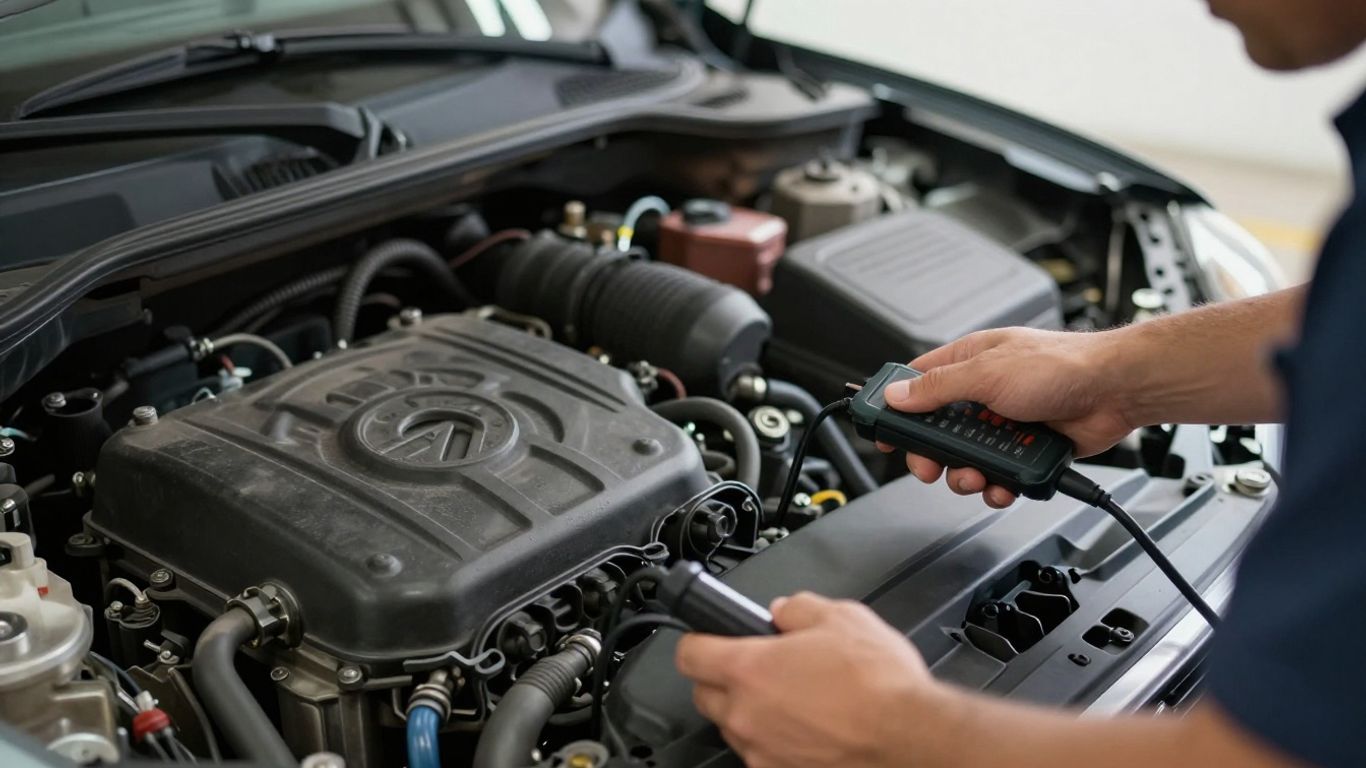
Warning lights and diagnostic trouble codes
A check-engine light means the vehicle computer has detected a condition outside its expected range. The stored code can identify a circuit, sensor, misfire, or system area, but it does not name every failed part. For example, a misfire code may result from ignition, fuel, compression, or mechanical trouble.
Ask for the actual codes and the technician’s testing notes, not just a statement that the light is serious. A guide to engine performance warnings can provide general context, while live data, wiring checks, and physical tests establish what is happening in a particular vehicle.
Low compression and leak-down test results
Compression testing compares how well the cylinders build pressure. Low or uneven readings may indicate worn rings, valve trouble, a head-gasket leak, or other internal damage. A leak-down test goes further by pressurizing a cylinder and listening for where that pressure escapes.
The pattern matters more than one number. Air heard at the intake can suggest an intake-valve issue; air at the exhaust points toward the exhaust valve, while air in the crankcase may indicate ring or piston wear. These results help determine whether the engine needs a targeted repair, rebuilding, or replacement.
Oil pressure, coolant, and fluid contamination checks
Oil pressure confirms whether lubrication is reaching critical moving parts under the required conditions. A pressure reading that remains low after the correct oil and filter are installed can point to wear in the pump, bearings, or internal passages. The oil itself may reveal metal particles, fuel dilution, or coolant contamination.
Coolant checks can reveal combustion gases or an external leak, while transmission-fluid problems may be unrelated to the engine. A written test result matters because it gives you something concrete to compare when reviewing repair estimates and deciding whether the proposed work addresses the root cause.
When symptoms point to another vehicle system
Poor acceleration, stalling, vibration, and warning lights do not belong exclusively to the engine. A clogged catalytic converter, weak fuel pump, failing transmission, vacuum leak, or electrical fault can produce a similar complaint. The inspection should include those possibilities before anyone recommends a complete engine replacement.
A sensible second opinion is especially valuable when the evidence is vague or the estimate is unusually high. You can also compare the observed symptoms with a broader engine repair warning guide, provided you treat online material as background rather than a diagnosis.
Engine problems that often justify replacement
Replacement becomes more reasonable when the engine has extensive internal damage, the repair requires many major components, or the failed block cannot be restored economically. Even then, the decision depends on vehicle value and the condition of everything around the engine. A replacement is not automatically the best answer simply because the repair is expensive.
Cracked engine blocks or damaged cylinder heads
A cracked block can allow oil or coolant to escape, reduce compression, or make the engine unsafe to operate. A damaged cylinder head may sometimes be machined or replaced, but severe warping, cracking, or repeated gasket failure can change the economics. The mechanic should identify the location and extent of the damage before estimating the job.
Ask whether the part can be measured and inspected rather than accepting a visual guess. The proposed solution should explain which components are reusable, which require machining, and why a replacement assembly would provide better value.
Failed bearings, pistons, or connecting rods
Bearing failure may produce low oil pressure, metal in the oil, and a deep knocking sound. Broken pistons or connecting rods can damage cylinder walls and the crankcase, spreading debris through the lubrication system. Once several major internal parts are affected, a small repair is unlikely to restore the engine economically.
The repair-versus-replacement choice should account for machining, parts availability, labor, and the risk of hidden damage. A single worn bearing is a different proposition from a disassembled engine with damaged crank journals and contaminated oil passages.
Severe overheating and internal damage
One overheating event does not always destroy an engine, but continued operation at an unsafe temperature can warp heads, damage gaskets, seize components, and reduce compression. The inspection should establish whether the overheating source has been corrected and whether the engine still has sound sealing and lubrication.
If the same vehicle has already had a cooling repair and continues to overheat, insist on finding the underlying cause. Replacing the engine without correcting a fan, radiator, thermostat, or circulation problem could damage the replacement as well.
Repeated failures after major repairs
Repeated breakdowns after substantial engine work deserve a careful review of the original diagnosis and installation. The problem may be an unresolved cooling or lubrication fault, an incorrect part, poor assembly, or damage that was missed during the first repair. Gather invoices, test results, and warranty terms before approving another large job.
A replacement can be justified when previous repairs have not restored compression, oil pressure, or dependable operation, but the evidence should show why another rebuild is unlikely to succeed. That distinction protects you from paying twice for the same unresolved problem.
Factors that determine whether replacement is worthwhile
The right choice balances mechanical evidence with the vehicle’s broader financial picture. A relatively healthy vehicle with a sound body, good tires, and a reliable transmission may justify an engine investment. A vehicle with extensive rust, failing electronics, or several imminent repairs may not, even if the engine replacement itself is technically successful.
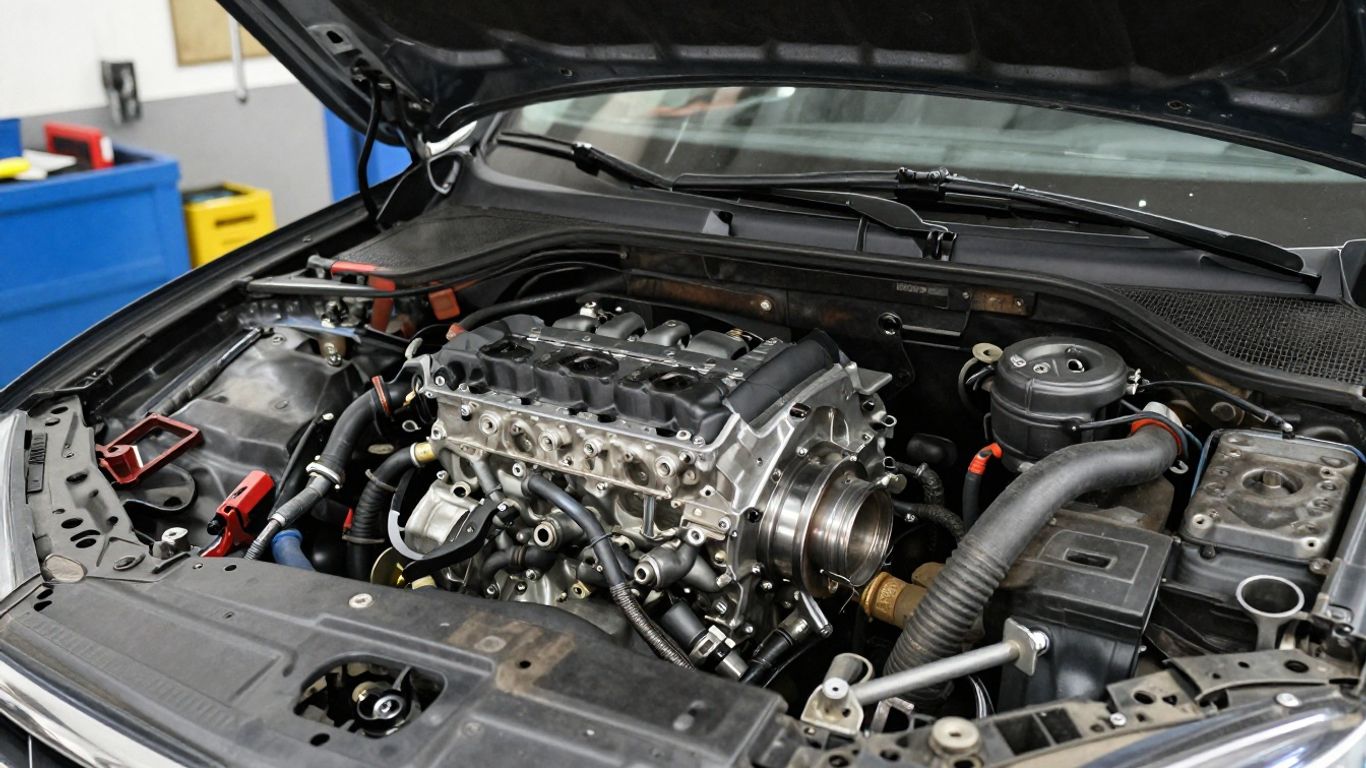
Repair costs compared with replacement costs
Compare a complete repair estimate with the installed cost of each replacement option. Include diagnosis, machining, gaskets, fluids, belts, hoses, taxes, and possible complications rather than comparing only the price of the engine assembly. Ask for the assumptions behind each estimate.
A simple cost table can make the decision less emotional and expose missing items:
| Option | Main cost drivers | Questions to ask |
|---|---|---|
| Targeted repair | Failed component, testing, labor | Will internal damage remain? |
| Rebuild | Machine work, parts, assembly labor | What components are being replaced? |
| Used engine | Source, mileage, removal and installation | What testing and warranty are included? |
| Remanufactured engine | Purchase price, installation, warranty | What is covered if it fails? |
The cheapest quote is not necessarily the lowest ownership cost. Read the warranty, confirm what labor it covers, and ask what happens if additional damage appears after disassembly.
The vehicle’s age, mileage, and overall condition
Mileage is only one part of the decision. Service history, rust, accident damage, transmission behavior, suspension condition, tire life, and electrical reliability all affect whether the vehicle is worth keeping. A documented maintenance history can make a higher-mileage vehicle a better candidate than a neglected one.
Estimate the vehicle’s likely value after the work, but do not treat that number as the only measure. Replacing an engine may still be sensible when it gives you a known vehicle with manageable future costs and avoids the uncertainty of buying another used car.
Replacement engine types and reliability differences
A used engine may cost less upfront, but its history and mileage must be verified. A remanufactured engine generally involves a more defined rebuilding process, though the exact work and warranty vary by supplier. A new engine is often the most expensive option and may not be available or economical for every vehicle.
Ask for the engine identification, mileage or production information when available, testing documentation, included accessories, and warranty conditions. Do not assume that “replacement” means every external component is new; many parts transfer from the original engine.
Warranty coverage and installation quality
Warranty length matters, but so do exclusions, claim procedures, labor coverage, and required maintenance records. Confirm whether the warranty begins at installation, whether towing is covered, and whether a failure caused by an old sensor, cooling component, or reused accessory is excluded.
Installation quality also affects the result. The shop should verify fluids, inspect mounts and hoses, correct the original failure’s cause, and test the vehicle before delivery. Even practical business planning, such as comparing data-based advertising costs, depends on knowing what is included; an engine quote deserves the same discipline.
What to do when you suspect catastrophic engine damage
When a vehicle is knocking loudly, overheating, smoking heavily, or losing power suddenly, the safest next step is to reduce use rather than gather more evidence by driving. A tow and a structured inspection usually cost less than adding damage to an already failing engine. Keep your observations precise and avoid authorizing major work before the diagnosis is explained.
Stop driving and arrange a professional inspection
Pull over safely if the oil-pressure or temperature warning appears, the engine loses power, or a severe noise begins. Turn the engine off and let it cool before checking anything under the hood. Do not keep restarting it to see whether the sound has gone away.
Arrange an inspection with a qualified repair facility and request a written diagnosis. If the first opinion recommends replacement without compression, pressure, fluid, or internal evidence, pause and seek another assessment.
What information to gather before visiting a mechanic
Useful details include the mileage, recent repairs, warning lights, fluid additions, temperature behavior, smoke color, starting changes, and the exact conditions under which the symptom appears. Photos of leaks and copies of service records can save time. Note whether the vehicle was driven after the warning began.
Bring the vehicle identification information and ask for an estimate that separates diagnosis from authorized repair. A clear timeline is often more useful than a dramatic description of the noise.
Questions to ask about rebuilding versus replacing
Ask what failed, how the failure was confirmed, and whether damage extends beyond the initially suspected component. Then compare the expected result, turnaround time, warranty, and total installed cost of rebuilding versus using a replacement engine.
Ask these questions before signing an authorization:
- Which tests support the diagnosis?
- What caused the original failure?
- Which parts are included or reused?
- What labor and warranty terms apply?
The answers should be specific enough for you to explain the decision to someone else. If the estimate changes after disassembly, request photos or measurements and a revised written approval.
How to avoid unnecessary engine replacement
Start with diagnosis rather than a preferred outcome. Confirm that the complaint is not caused by a sensor, ignition component, fuel problem, cooling-system fault, accessory, or transmission. A second opinion is reasonable when the proposed replacement is based mainly on symptoms.
Be wary of recommendations that do not identify the failed part or explain why repair is impractical. A careful shop can still recommend replacement, but it should connect that recommendation to test results and the vehicle’s overall condition.
Preparing for an engine replacement
Once replacement is the sound choice, preparation affects both cost and reliability. Decide what kind of engine fits the vehicle, clarify the complete installed price, and identify supporting components that should be addressed while access is easy. Planning these details before the old engine comes out helps prevent rushed decisions.
Choosing between a used, remanufactured, and new engine
Choose based on documented condition, warranty, availability, and the vehicle’s expected remaining life. A used unit can be appropriate when its history is credible and the price reflects the risk. A remanufactured unit may offer more defined inspection and replacement standards, while a new unit provides a different cost and availability profile.
Have the shop confirm compatibility by vehicle identification number and engine specification. Ask whether the quote includes the long block, intake and exhaust components, sensors, accessories, and programming or calibration work.
Reviewing labor, parts, fluids, and related costs
The engine price is only one line in the project. Labor, mounts, gaskets, filters, coolant, oil, belts, hoses, refrigerant handling, towing, and disposal can all affect the final bill. Request a written estimate that distinguishes required work from optional recommendations.
A firm process is useful here. Get approval thresholds for unexpected work, ask when payment is due, and confirm whether the shop will return removed parts. Clear paperwork makes a stressful repair easier to manage.
Replacing supporting components during installation
Some components are inexpensive compared with the labor required to reach them after installation. The shop may recommend inspecting or replacing seals, hoses, belts, the thermostat, spark plugs, filters, mounts, or damaged sensors, depending on condition and access.
Those recommendations should remain evidence-based. Replacing every surrounding part without inspection can inflate the bill, while reusing a clearly worn component can shorten the life of the new engine. Ask which items are preventative and which are necessary for compatibility or warranty.
Breaking in and maintaining the replacement engine
Follow the supplier’s break-in instructions and use the specified oil and filter. Avoid heavy loads or sustained high engine speed until the required break-in period is complete, if one applies. Watch the temperature gauge, fluid levels, warning lights, and any new noise during the first several drives.
Keep every invoice and maintenance record. Early fluid checks and timely oil changes can catch leaks or installation problems before they become expensive. Even simple storage questions, such as understanding coconut oil shelf life, have a clear answer only when the conditions are known; maintenance intervals should likewise come from the engine and vehicle documentation.
Use the video as general orientation, not as a substitute for the vehicle-specific instructions supplied by the manufacturer or installer. If the replacement engine develops smoke, overheating, low oil pressure, or a new mechanical noise, stop driving and contact the installing shop promptly.
Conclusion
The signs my engine is failing and needs replacement can be alarming, but a disciplined diagnosis separates urgent internal damage from faults that can be repaired. Stop driving when the symptoms are severe, insist on test results, compare the complete costs, and judge the engine investment alongside the vehicle’s overall condition. That approach gives you the best chance of making a sound decision without rushing into an unnecessary replacement.
Frequently Asked Questions
Does a check-engine light mean I need a replacement engine?
No. The light indicates that the computer detected a fault, which may involve a sensor, ignition, emissions, fuel, or mechanical system. Diagnostic testing is needed before deciding on repair or replacement.
Is blue smoke always a sign of catastrophic engine damage?
No. Blue smoke often indicates oil burning, but the cause and severity vary. Valve-seal, ring, turbocharger, or other problems may be involved, so testing is necessary to determine whether the repair is limited or extensive.
Can an overheating engine be repaired?
Sometimes. The outcome depends on why it overheated and whether the block, cylinder head, gasket, pistons, or bearings were damaged. Repairing the cooling-system cause does not automatically undo internal damage.
How do mechanics confirm internal engine damage?
They may use compression and leak-down tests, oil-pressure measurements, fluid inspections, scan data, cooling-system tests, and sometimes an internal inspection. The combination of results is more useful than any single symptom.
Is a used engine a good replacement choice?
It can be, if the source, compatibility, condition, and warranty are documented. Its lower upfront cost may come with more uncertainty, so compare the total installed cost and coverage with other options.
Should I rebuild or replace a damaged engine?
The choice depends on the extent of damage, machine-shop and parts costs, turnaround time, warranty, and the vehicle’s condition. A written comparison can show whether rebuilding offers a realistic advantage.
How long should a replacement engine last?
There is no universal lifespan. Service history, installation quality, operating conditions, maintenance, and the engine’s prior condition all matter. Follow the maintenance schedule and address warning signs promptly to protect the investment.