

Key Takeaways
Replacing an engine can be sensible when the rest of the vehicle is dependable, but the repair should be compared with the full cost of changing cars.
- Compare the complete repair bill with the total cost of another vehicle.
- Inspect the transmission, electrical system, suspension, body, and frame—not just the engine.
- Ask what type of replacement engine is being installed and what the warranty covers.
- Consider financing, insurance, registration, fuel use, and likely repairs over several years.
- Set a maximum repair budget before emotion or urgency takes over.
Compare the total cost of an engine replacement with buying a car
The question “Is it worth replacing my car engine or buying a new car” cannot be answered by looking at one estimate alone. An engine replacement is a large repair, but buying another vehicle creates its own immediate and ongoing expenses. The fairest comparison uses the same ownership period for both choices, such as three or five years. It also includes the value of the car you already know, rather than assuming a replacement vehicle will be trouble-free.
Typical engine replacement costs and what they include
An engine estimate may cover the engine itself, removal and installation, fluids, seals, filters, belts, hoses, and related parts that are difficult to access once the engine is out. It may not cover diagnostics, towing, taxes, rental transportation, or repairs to connected systems. Ask the shop for an itemized quote, because a low initial number can change when worn accessories or damaged components are discovered.
The engine type matters, too. A used unit may have a lower purchase price, while a remanufactured or rebuilt unit may offer a different balance of cost and warranty protection. The written estimate matters most because it shows exactly what the shop is promising to do.
Upfront costs of buying a new or used car
Buying another car usually means a down payment or cash purchase, sales tax, title and registration fees, documentation charges, and possibly transportation while you search. A used car can reduce the purchase price, but its history and condition need careful review. A new car may offer stronger warranty coverage, yet depreciation begins immediately and the purchase price is usually much higher.
If you are considering a car that already has a replacement engine, review this replaced-engine buying guide before treating the swap as a benefit. Confirm the engine’s source, installation records, warranty, and compatibility with the vehicle.
Financing, taxes, insurance, and registration expenses
A vehicle payment is only one part of the ownership cost. Financing adds interest, while insurance premiums can change with the vehicle’s value, repair costs, theft risk, and coverage requirements. Registration, taxes, inspection fees, and dealer charges can make the amount due at signing noticeably larger than the advertised price.
A replacement engine may avoid a new monthly payment, but it does not make the car free to own. Continue budgeting for insurance, fuel, maintenance, tires, and unexpected repairs. A useful comparison should include money spent immediately as well as money committed each month.
How to calculate the cost per year of ownership
Choose a realistic ownership period and add the expenses you expect under each option. For the current car, include the engine replacement, likely maintenance, insurance, fuel, registration, and a reserve for other repairs. For another car, include the purchase costs, financing interest, insurance, fuel, maintenance, and the expected value when you eventually sell it.
A simple comparison can look like this:
| Cost category | Keep current car | Buy another car |
|---|---|---|
| Immediate purchase or repair | Engine and installation | Down payment and purchase fees |
| Financing cost | Usually none for the repair | Interest and loan charges |
| Routine ownership | Maintenance, insurance, fuel | Maintenance, insurance, fuel |
| Likely near-term risk | Other aging components | Unknown history or depreciation |
| End-of-period value | Resale value after repair | Resale value after ownership |
After subtracting the expected ending value, divide each option’s net cost by the number of ownership years. This does not predict the future perfectly, but it prevents a dramatic repair bill from being compared unfairly with only a car’s sticker price. A broader engine replacement cost comparison can also help you frame the decision before requesting local estimates.
Assess the condition and value of your current car
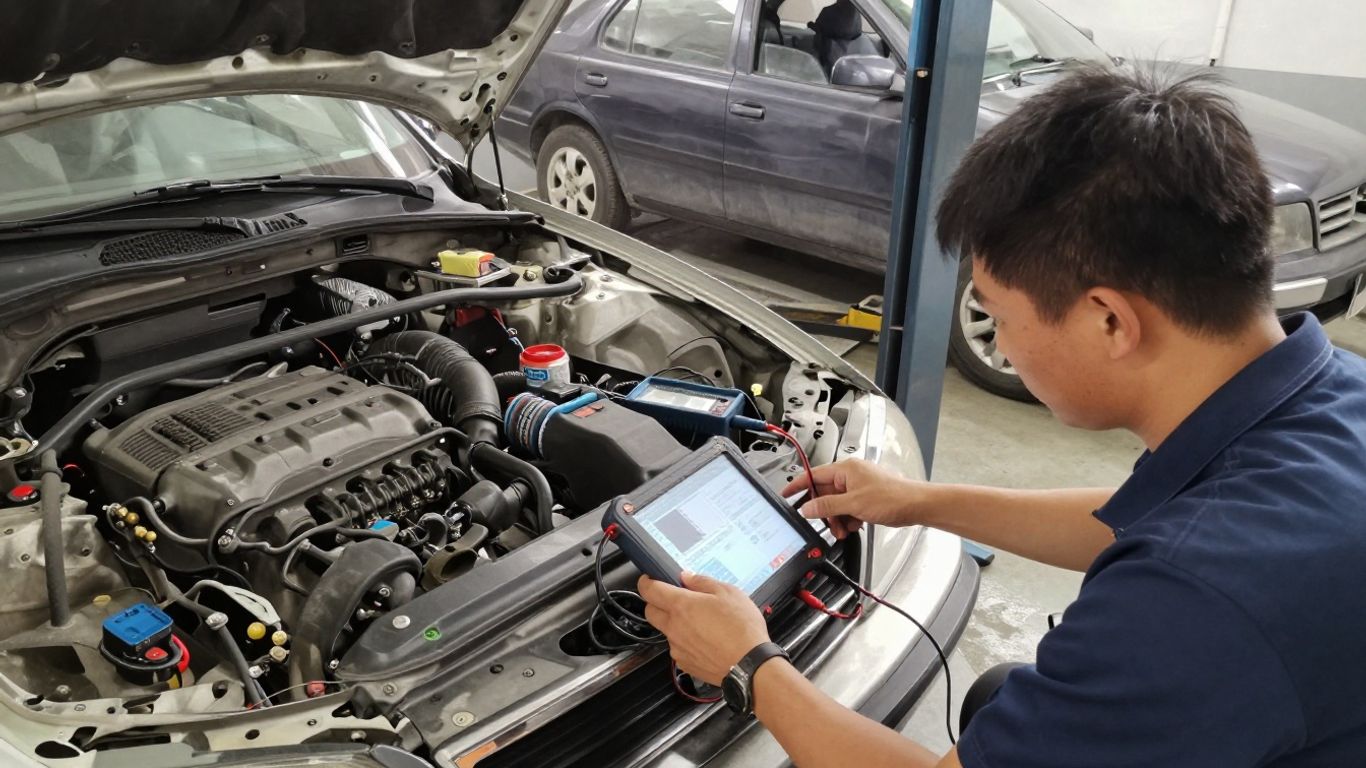
An engine is only one part of a vehicle, and a replacement does not reset the odometer or restore every aging system. Start by asking whether the car has been dependable apart from the current failure. Then consider its structure, safety equipment, comfort, and service history. A careful inspection often turns an emotional decision into a more practical one.
Vehicle age, mileage, and maintenance history
Age and mileage provide context, but they do not tell the whole story. A high-mileage car with regular oil changes, documented repairs, and little corrosion may be a better candidate than a lower-mileage car that has been neglected. Look for records showing timing-belt or chain work, cooling-system service, fluid changes, and recurring warning lights.
Driving conditions matter as well. Frequent short trips, heavy towing, severe weather, and road salt can affect a vehicle differently than mostly highway driving in a mild climate. Maintenance history should help you estimate whether the engine failure is an isolated event or part of a broader pattern.
Transmission, electrical, suspension, and rust concerns
Before approving an engine, have the shop inspect the transmission, drivetrain, cooling system, wiring, battery and charging system, brakes, suspension, and steering. Listen for noises during a road test and ask whether warning lights or diagnostic codes point to unresolved issues. Rust deserves special attention because corrosion affecting the frame, mounting points, brake lines, or body structure can make a major repair uneconomical.
A sound engine cannot compensate for a failing transmission or unsafe suspension. If several systems are already near the end of their useful life, the engine quote is only the beginning of the financial decision.
Current market value versus post-repair value
Research what comparable vehicles actually sell for in your area, considering mileage, trim, condition, and service records. Then estimate the vehicle’s value after the replacement, not the value of a similar car with a newer model year. A new engine may improve reliability and buyer confidence, but it usually does not increase the car’s value by the full amount of the repair.
You can use a vehicle value comparison as a starting point, then check local listings and completed sales where available. The goal is not to apply a rigid percentage rule; it is to understand how much usable transportation the repair is buying.
How one major repair can reveal other problems
An engine failure often prompts a more thorough inspection, and that inspection may uncover leaks, worn mounts, cooling-system damage, or neglected maintenance. Some discoveries are directly related to the failure, while others are simply the result of age. Ask the technician to separate urgent safety issues from items that can reasonably wait.
That distinction helps avoid two opposite mistakes: approving every suggested repair without prioritizing, or ignoring problems that could leave you stranded soon after the engine is installed. Request a written list with estimated timing and cost for each item.
Understand your engine replacement options
Not every replacement engine offers the same history, testing, or warranty. The right option depends on the vehicle, the availability of parts, your budget, and how long you intend to keep the car. A shop should explain the trade-offs in plain language rather than presenting one unexplained number. If the original problem may be limited to a component, also ask whether a complete replacement is truly necessary.
New, remanufactured, rebuilt, and used engines
A new engine is built from new components, while a remanufactured engine is restored and tested according to a defined process. A rebuilt engine may have selected components replaced or repaired, depending on the supplier’s standards. A used engine typically comes from another vehicle and may be less expensive, but its mileage and prior maintenance need verification.
Do not rely on the label alone. Ask who supplied the unit, what testing it received, whether its mileage is documented, and which parts are included. The cheapest option may carry more uncertainty, while the most expensive option may not be justified for a vehicle with limited remaining life.
Labor time, parts, and warranty coverage
The labor portion can include removing the old engine, transferring compatible components, installing the replacement, filling fluids, programming or testing systems, and completing a road test. The quote should identify whether belts, hoses, mounts, gaskets, filters, sensors, and fluids are included or billed separately.
Read the warranty before authorizing work. Confirm its duration, mileage limit, parts coverage, labor coverage, exclusions, and requirements for maintenance. Also ask whether warranty service must be performed by the original shop or supplier and who pays shipping or diagnostic costs if a problem occurs.
Choosing a reputable repair shop
Look for a shop that provides a diagnosis, a detailed estimate, realistic timing, and clear warranty terms. Check whether technicians regularly work on your vehicle’s make and engine family. Written communication is useful because it records what was inspected, what was recommended, and what was approved.
A shop should be willing to explain uncertainty. Be cautious when a technician guarantees an exact final cost without inspecting the vehicle or dismisses questions about the replacement unit’s history. A second opinion is especially valuable when the repair approaches the car’s market value.
Questions to ask before approving the replacement
Ask whether the engine failure has been confirmed, whether repair of the original engine is possible, and what caused the failure. Then ask for the replacement engine’s type, mileage or testing history, included parts, labor scope, completion estimate, and warranty terms. Finally, ask what other components could reasonably fail during or soon after the work.
A useful engine repair options guide can help you distinguish between maintenance, a single-part repair, and a full engine replacement. Those are different decisions with very different financial consequences.
Identify when replacing the engine makes financial sense
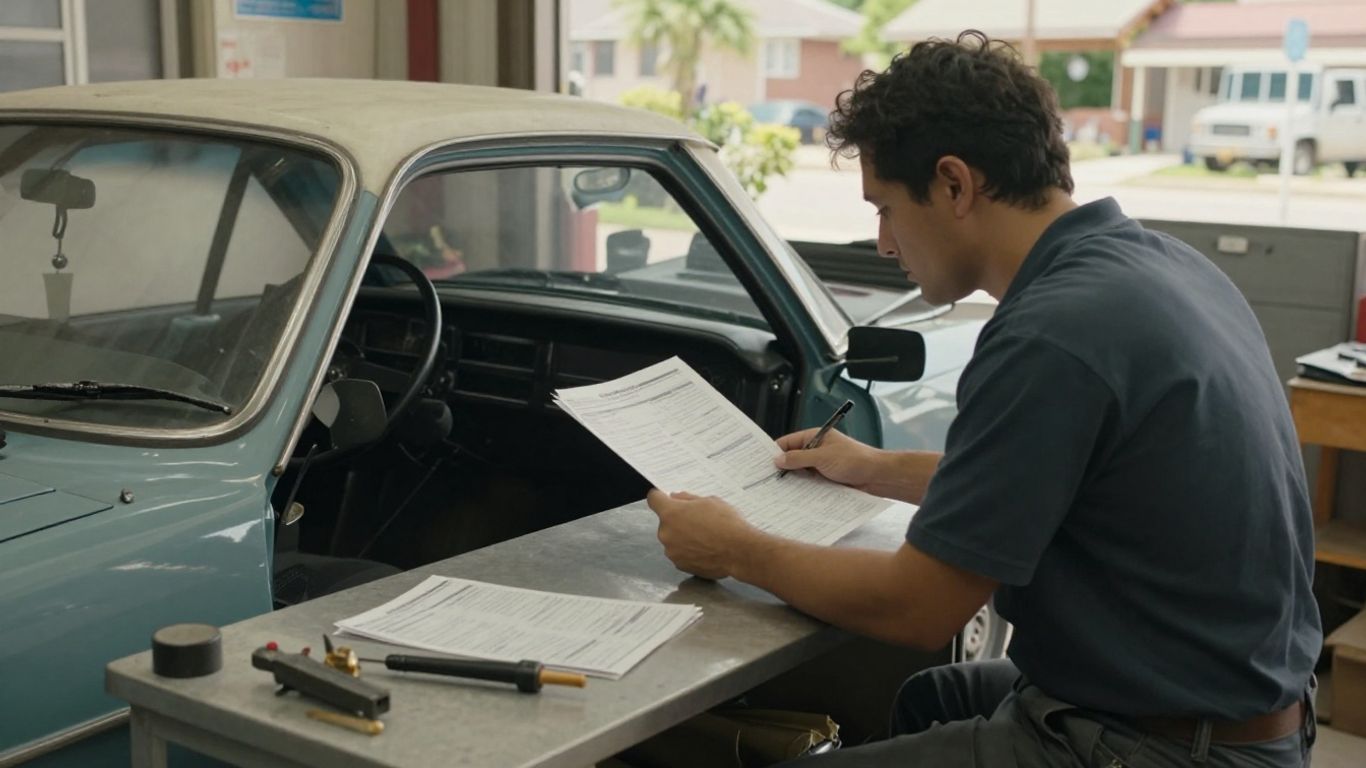
Replacement tends to make more sense when the car has a healthy foundation and the owner understands its previous maintenance. It can preserve a familiar vehicle, avoid the uncertainty of shopping, and postpone a large purchase. That does not make the repair automatically wise; the rest of the vehicle still has to justify the investment.
When the vehicle is otherwise reliable and well maintained
If the transmission shifts properly, the body and frame are sound, the electrical system is stable, and major maintenance is current, an engine replacement may restore useful transportation. A vehicle you have maintained carefully also comes with a known history, which can be more informative than a short test drive in an unfamiliar used car.
Consider how the car has behaved over the last few years. One severe failure in an otherwise dependable vehicle is a different situation from a steady stream of breakdowns and warning lights.
Situations where the repair cost is below the car’s value
The repair should provide several years of practical use, not merely make the car operational for a few months. Compare the complete installed cost with the vehicle’s post-repair market value and with the cost of obtaining equally dependable transportation. A repair costing less than the car’s value is not automatically good, but a repair that greatly exceeds its realistic value deserves stronger scrutiny.
Do not treat a percentage rule as a decision by itself. The vehicle’s condition, your local market, and the replacement engine’s warranty can matter as much as the ratio between repair cost and value. A practical engine decision guide offers another way to think through that comparison, although local prices may differ.
The importance of avoiding a new-car payment
If a replacement engine can keep a dependable car on the road without creating years of loan payments, the cash-flow advantage may be meaningful. This is particularly true when you have limited savings, expect to drive modest distances, or are close to paying off your current vehicle. However, do not borrow at an unsuitable rate simply to force the repair to happen.
Compare the repair payment, if financed, with the down payment and monthly cost of another vehicle. Include insurance changes and the possibility that an older car will still need routine repairs.
How sentimental or specialized vehicles affect the decision
A classic, modified, work-specific, or hard-to-replace vehicle may be worth repairing even when its ordinary resale value is modest. Availability of suitable replacements, the cost of recreating modifications, and the vehicle’s personal meaning can all change the calculation. These are legitimate considerations, as long as you recognize that they are not purely financial.
Set a separate “personal value” reason alongside the monetary case. That makes the decision clearer and prevents you from using sentimental value to overlook serious structural or safety problems.
Recognize when buying another car is the better choice
Buying another vehicle is often the cleaner choice when the engine failure is one item in a long list of expensive concerns. It may also make sense when the current car no longer fits your daily needs or has become unreliable enough to disrupt work and family commitments. The replacement vehicle still needs inspection, budgeting, and a history check. A different car is not automatically a safer financial decision.
Repair costs that exceed the vehicle’s practical value
If the installed engine cost is close to or above what the car could realistically be worth after repair, pause before spending. Compare that amount with the cost of a reliable replacement, not just with the cheapest listing you can find. A very low-priced alternative may require immediate repairs of its own.
The practical value of the current car includes dependable transportation, known maintenance, and the cost of replacing it. Still, when the repair leaves little financial margin and carries a short warranty, moving on may reduce risk.
Multiple major systems needing attention
A failing transmission, severe rust, repeated electrical faults, worn suspension, or damaged cooling system can turn an engine replacement into a series of large bills. Ask the technician to identify which issues are safety-critical, which are likely within a year, and which are merely cosmetic. If several major systems need attention at once, the combined outlook matters more than the engine estimate alone.
This is where a complete inspection is more valuable than a quick verbal opinion. You want to know whether the engine is the final major hurdle or the first one you have noticed.
Safety, reliability, and fuel economy considerations
Older vehicles may lack safety features, have poor crash performance compared with newer designs, or consume substantially more fuel. Those differences should be weighed against your annual mileage and the price premium of a newer vehicle. A newer car may also reduce downtime, but warranty coverage and better fuel economy do not eliminate ownership costs.
Think about the consequences of a breakdown, not only its repair price. If a failure could jeopardize your job, caregiving responsibilities, or regular long-distance travel, reliability may deserve a larger share of the budget.
Comparing replacement vehicles within your budget
Set a realistic purchase ceiling that includes taxes, registration, insurance, maintenance, and an emergency reserve. Compare several vehicles with similar age and mileage rather than choosing the first affordable listing. Obtain a history report and arrange an independent inspection before committing.
When comparing options, keep the criteria consistent: expected repair needs, fuel consumption, safety equipment, financing cost, and resale prospects. A careful process, such as this used-car decision framework, can help you avoid trading one unknown problem for another.
Use a step-by-step decision process
A calm process is useful because engine failure creates pressure to approve the first available solution. Gather facts in a fixed order, write down assumptions, and give yourself permission to walk away from either option. The objective is not to find a perfect prediction; it is to choose the option with the most reasonable cost and risk for your circumstances.
Get a complete diagnostic inspection
Confirm that the engine itself has failed and ask whether a repair or component replacement could solve the problem. Request a broader inspection covering the drivetrain, structure, suspension, brakes, electrical system, cooling system, and corrosion. Ask the technician to classify findings as urgent, soon, or monitor.
That report gives you a clearer baseline for comparing an engine replacement with another vehicle. It also prevents a decision based solely on the most alarming symptom.
Obtain multiple written repair estimates
Get estimates from more than one qualified shop, using the same engine type and scope of work where possible. Each estimate should identify parts, labor, fluids, taxes, warranty terms, exclusions, and possible additional charges. Ask why the numbers differ instead of automatically choosing the lowest bid.
Written estimates make hidden assumptions easier to spot. They also give you a record if the final scope changes after work begins.
Research comparable vehicle prices
Search for vehicles with similar age, mileage, trim, condition, and service history. Separate asking prices from realistic transaction prices, and remember to add taxes, registration, inspection, financing, and immediate maintenance. Have at least one fallback option in mind so urgency does not narrow your choices.
A broader car-versus-repair analysis can provide useful questions to investigate, but your own local market and credit terms should control the final comparison.
Account for your driving needs and ownership timeline
Estimate annual mileage, commute distance, cargo needs, weather exposure, and how long you expect to keep the vehicle. A repair may work well for someone who plans to drive the car for several more years, but less well for someone who needs to sell soon or requires features the current car cannot provide.
Also consider downtime. A cheaper repair is less attractive if parts are difficult to source or the shop cannot give you a reasonable completion window.
Set a maximum repair budget before deciding
Choose the highest amount you are willing to spend after considering your savings, transportation needs, and expected ownership period. Include a reserve for related work rather than using every available dollar on the engine itself. If the estimate exceeds your limit, treat that as a decision point—not an invitation to keep raising the limit.
A budget creates useful distance from sunk-cost thinking. Money already spent maintaining the car is part of its history, but it should not force you to approve an unsuitable repair today.
Conclusion
The better choice depends on the whole vehicle and the whole ownership cost, not simply on the size of the engine estimate. Replace the engine when the car is structurally sound, well maintained, and likely to deliver dependable service after the repair; choose another vehicle when several major systems are failing or the repair leaves little practical value. A complete inspection, written estimates, and a realistic budget will usually make the answer much less confusing.
Frequently Asked Questions
Is replacing an engine usually cheaper than buying a car?
Often, the repair costs less than buying another vehicle, but the comparison must include labor, related parts, taxes, financing, insurance, registration, and likely repairs. The condition of the rest of the car determines whether the lower upfront cost is actually good value.
How do I know whether my engine really needs replacement?
Ask for a documented diagnosis and a second opinion if the estimate is substantial. Some symptoms come from a single failed component or maintenance issue, while others indicate internal engine damage that makes replacement more practical.
Should I replace the engine in a high-mileage car?
Mileage alone does not decide the issue. A high-mileage vehicle with a sound transmission, little rust, good maintenance records, and stable electrical and suspension systems may still be a reasonable repair candidate.
Does a new engine increase a car’s resale value?
It can improve confidence for a future buyer when the work is documented, but it usually does not increase resale value by the full repair cost. Keep invoices, warranty paperwork, and service records to support the vehicle’s history.
Is a used engine a safe choice?
A used engine can be suitable when its source, mileage, compatibility, testing, and warranty are clear. Ask what parts are included and whether the shop will stand behind both the component and the installation labor.
What other costs should I consider when buying another car?
Include the down payment, taxes, title and registration fees, financing interest, insurance, fuel, maintenance, tires, and an emergency reserve. Dealer or lender charges can also make the initial cost higher than the advertised price.
Should I repair the car if I still owe money on it?
Compare the loan balance with the car’s current value and the cost of another vehicle. Selling or trading a car with negative equity may carry the old balance into a new loan, so repairing a sound vehicle can sometimes be the less costly path—but only after a full inspection.