

Key Takeaways
A useful engine quote starts with accurate vehicle details and a clear description of the problem. Compare the full scope of each estimate, not just the engine price.
- Gather your VIN, engine details, mileage, location, and diagnostic information.
- Ask providers to quote the same engine type and vehicle configuration.
- Compare parts, labor, fees, shipping, taxes, and possible extra work.
- Read the warranty terms, including whether installation labor is covered.
- Get the estimate and approval terms for price changes in writing.
Gather the details a shop needs
Before contacting a repair shop or engine supplier, collect enough information for them to identify your vehicle and understand what has happened. A few details can make an early estimate more useful, though a shop may still need to inspect the car before confirming a price. Keep the information in one note so you can share the same details with every provider.
Record your vehicle’s year, make, model, and trim
Write down the model year, make, model, and trim as they appear in your registration or vehicle documents. A model name alone may not identify the exact version, and the trim can help distinguish equipment or drivetrain variations. If you are unsure, share the vehicle’s registration details and ask the shop to verify the configuration before quoting.
Find the engine size, code, and VIN
The VIN is a useful starting point, but it may not provide every detail a supplier needs to identify the correct engine. Note the engine size and, if you can find it, the engine code; these may appear in service records, owner documents, or on an engine label. Tell the provider which details you have rather than guessing, and ask them to confirm the match using the information available.
Describe the symptoms and any diagnostic results
Explain what you noticed, when it began, and whether the car still runs. Include warning lights, unusual sounds, smoke, overheating, or any recent loss of power, while making clear which details are observations rather than confirmed diagnoses. If a shop has already scanned or inspected the vehicle, share the results so a quote can reflect what is known and what still needs checking.
Note your location, mileage, and preferred timeline
Include the car’s current mileage and where it is located, especially if it cannot be driven. Location can affect transport arrangements, while your preferred timeline helps the shop say whether it can take on the work when you need it. Be straightforward about your schedule; a realistic estimate is more useful than a quick answer that leaves timing unclear.
Decide what kind of replacement engine to quote
The word “replacement” can refer to engines with very different histories and preparation. Ask each provider to explain what category they are quoting and what is included, rather than assuming two quotes describe equivalent engines. You can then weigh condition, price, availability, and warranty terms against your own priorities.

Compare new, remanufactured, rebuilt, and used engines
A new engine, a remanufactured unit, a rebuilt engine, and a used engine are not interchangeable descriptions. The work performed and the components supplied can differ, so ask the provider to explain the specific option rather than relying on the label alone. If you are unsure which way to go, request a short explanation of the alternatives and their trade-offs for your vehicle.
A compact comparison can help organize the questions, but the provider’s written description should settle what a particular quote actually covers.
- Ask what condition or preparation the engine has received.
- Confirm which components come with the quoted engine.
- Request the warranty terms for that specific option.
- Compare availability and expected delivery or installation timing.
Those answers make it easier to compare like with like. If one estimate describes a different engine category or a different set of components, treat that as a meaningful difference rather than a simple price gap.
Consider mileage and engine history for used options
For a used engine, ask whether the mileage is known and what records or history are available. Find out whether the supplier can explain how the engine was sourced and whether it was tested before sale. If details are missing, ask what that uncertainty means for the warranty and what recourse you would have if a problem appears after installation.
Check compatibility with your vehicle’s configuration
A matching engine size by itself may not establish that a replacement will suit your vehicle. Ask the shop or supplier to confirm compatibility using the VIN, engine code, and any relevant configuration details. When you request quotes, you can also refer to engine quote comparisons as a reminder to compare compatibility and installation requirements alongside price.
Share your preference while asking about alternatives
Tell providers whether you are leaning toward a new, remanufactured, rebuilt, or used engine, then invite them to explain any suitable alternatives. You do not need to choose before receiving the estimates; hearing the options may reveal differences in availability, warranty, or total installed cost. If you have a firm budget or timing constraint, mention it early so the alternatives are relevant.
Request quotes from repair shops and engine suppliers
Once you have the vehicle information and a general idea of the engine type, contact several providers. Give each one the same details and ask for the same scope of work, so the responses are easier to compare. A quote may be preliminary until the vehicle is inspected, but it should still make clear what the provider is assuming.
Contact several providers with the same vehicle details
Send each provider your year, make, model, trim, VIN, engine information, symptoms, mileage, location, and preferred timing. State whether you are seeking an engine only or an installed replacement, because those are different requests. Consistent inputs make price differences easier to interpret and reduce the chance that one provider has quoted a different job.
Ask whether the quote covers parts, labor, and related work
Clarify whether the estimate includes the replacement engine, installation labor, and any related work the provider expects to perform. Ask whether the shop anticipates replacing other components during installation, and whether those items are included or would be quoted separately. For a general example of asking for a clear service estimate, see this page on drone repair estimates; for an engine job, the details to confirm are the parts and work specific to your car.
Find out if an inspection is needed before pricing is confirmed
Ask whether the provider can give a preliminary estimate from your information or needs to inspect the vehicle first. If an inspection has a fee, confirm the amount and whether it will be credited toward the repair. When the price depends on a diagnosis, ask which parts of the estimate are firm and which remain subject to change.
Request an itemized estimate in writing
A written, itemized estimate gives you something concrete to compare and revisit. Ask the provider to separate the engine, labor, related parts, fees, and any assumptions or exclusions. Advice about requesting accurate engine quotes also points to the value of preparing vehicle details before asking for pricing; keep a copy of each response so you can check that the same information was used.
Compare what each quote includes
A lower starting price does not always mean a lower final bill. Two estimates may differ in the engine supplied, the work included, or charges that are not obvious in a headline figure. Read each one line by line, and ask providers to clarify anything that is missing or vague.
Check the engine price, labor, and shop fees
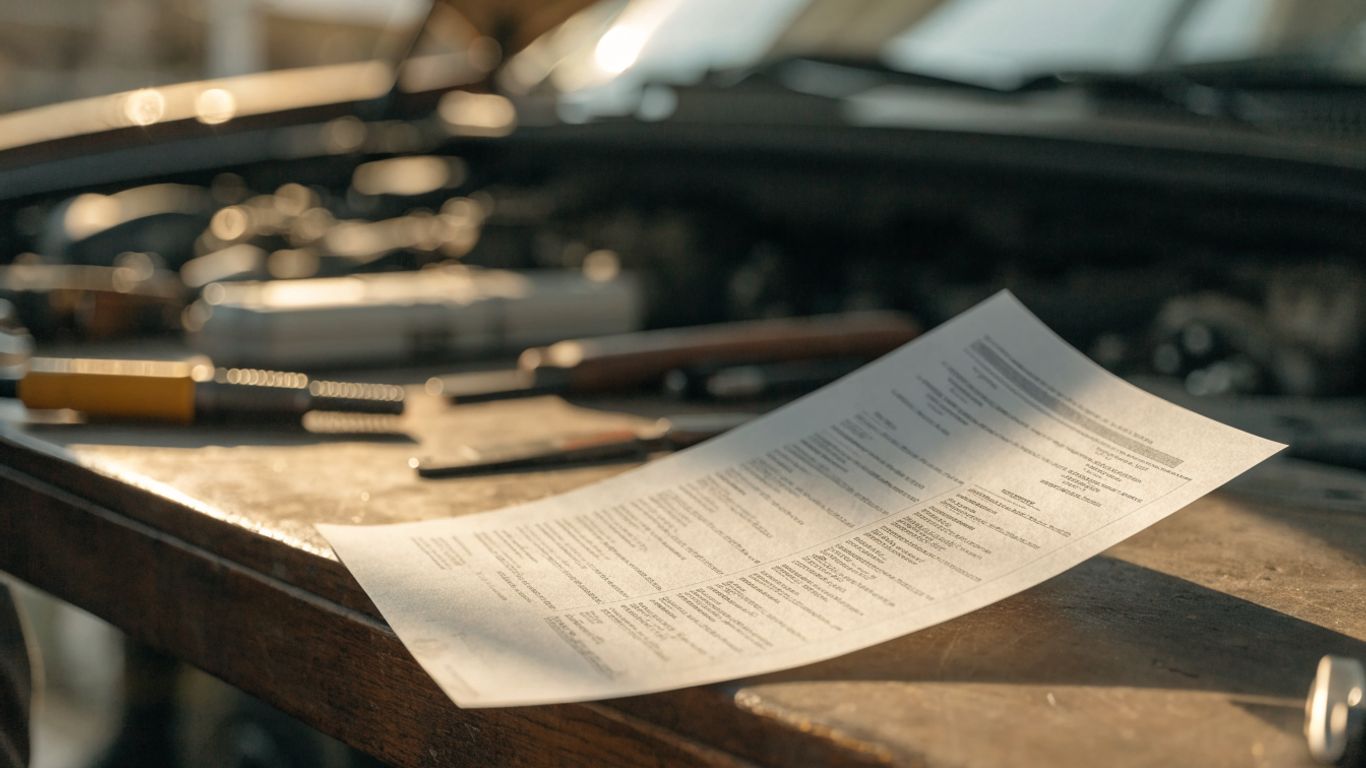
Separate the engine price from the installation labor and shop fees when reviewing an estimate. The breakdown helps show whether a low total reflects a lower engine cost, a different labor scope, or charges listed elsewhere. This is also where a brief comparison of hair treatment costs can be a useful example of how service prices depend on what is included, though the work itself is entirely different.
| Quote item | What to check | Follow-up question |
|---|---|---|
| Engine | Type, condition, and supplied components | What exactly is included? |
| Labor | Installation scope and estimated hours | What work does this cover? |
| Shop fees | Fees listed separately from labor | What does each fee cover? |
| Other charges | Items that may be added later | Which costs are still uncertain? |
Use the breakdown to compare the same categories across providers, not just the total at the bottom. If an estimate bundles several items together, ask for clarification before deciding whether it is less expensive.
Look for additional parts, fluids, and diagnostic charges
Check whether the quote includes any additional parts or fluids the provider expects to use, as well as diagnostic work already performed or still required. Ask which items are necessary for the quoted job and which are recommendations that can be discussed separately. This helps you understand whether two estimates cover the same installation, even when their line items are arranged differently.
Confirm whether taxes, shipping, and core charges are included
Ask whether the stated amount includes applicable taxes, delivery or shipping, and any core charge. If a core charge may be refunded when the old engine is returned, confirm the amount, return conditions, and timing. A quote should make these items visible so you can estimate what you may actually owe.
Ask how the final price could change
No preliminary estimate can account for every issue that may appear once work begins, but the provider should explain what could change the price. Ask how the shop will contact you, whether it will pause for approval, and how additional work will be documented. Clear answers are more useful than a low estimate with no explanation of how it might be revised.
Verify warranty and installation coverage
Warranty language can be as important as the quoted price, particularly when the engine and installation are supplied by different businesses. Request the written terms for the specific engine and ask how those terms apply once it is installed. Avoid relying on a general verbal assurance when the details affect your decision.
Compare the engine warranty’s length and terms
Check how long the engine warranty lasts and when the coverage period begins. Read what kinds of failures are covered, what exclusions apply, and whether the warranty requires a particular installation process. If two providers offer different terms, compare the conditions as well as the length of coverage.
Check whether labor is covered if the engine fails
An engine warranty may address the engine itself without necessarily covering the labor to remove and install it again. Ask directly whether labor is included if a covered failure occurs, and who pays for related costs such as diagnosis or transport. Get the answer in writing so you can distinguish parts coverage from installation coverage.
Ask who handles warranty claims and replacement costs
Find out whom you contact if a problem arises: the repair shop, the engine supplier, or another party named in the warranty. Ask who decides whether a failure is covered and what costs might remain your responsibility. Knowing the process in advance can make a difficult situation less confusing.
Confirm whether maintenance or installation conditions apply
Some warranty terms may require specific maintenance records, installation procedures, or other conditions. Ask what documentation you should keep and whether scheduled checks or service intervals affect coverage. Before authorizing the work, make sure you understand which obligations apply to you and which fall to the provider.
Evaluate the provider before choosing
A quote is only one part of the decision; you also need confidence in the people doing the work and in the process for handling surprises. Ask practical questions and note whether the answers are clear, specific, and consistent with the written estimate. A careful conversation can reveal more than a headline price.
Check experience with your vehicle and engine type
Ask whether the shop has experience working with your vehicle and the type of replacement engine being quoted. You can also ask who will confirm compatibility and who will perform the installation. Specific answers help you assess whether the provider understands the details of this job rather than just offering a general estimate.
Review customer feedback and business credentials
Look for feedback that describes communication, estimate accuracy, and how the business handled concerns. Check the provider’s credentials and confirm its business details before authorizing costly work. Guides to spotting dog trainer warning signs discuss transparency and communication in a different service field; the same broad questions about clear terms and follow-through can help when evaluating any provider.
Ask how long the engine installation is expected to take
Request an estimated timeline, including any time needed to source or deliver the engine. Ask what factors might delay the work and when the shop expects to update you. The answer is an estimate rather than a promise, but it should give you a practical basis for arranging transportation and planning around the repair.
Get approval terms for extra work and cost changes
Before the work begins, agree on how the shop will handle unexpected repairs or a revised price. Ask whether it will stop and contact you for approval, how you will receive the updated estimate, and who is authorized to approve changes. Even planning for unrelated activities, such as flexible team events, depends on clarifying scope and logistics; for engine work, put those expectations in the repair authorization. For a useful contrast in how detailed inputs shape an estimate, a macro calculator asks for personal details to set targets; your engine quote likewise depends on supplying accurate vehicle information.
Conclusion
To get a useful replacement engine quote, give providers accurate vehicle details, ask for the same scope of work, and compare the full installed cost alongside compatibility and warranty terms. Take time to clarify uncertainties and agree in writing on how extra work will be priced and approved before choosing a provider.
Frequently Asked Questions
What information do I need to get a replacement engine quote?
Gather the vehicle’s year, make, model, trim, VIN, engine size or code if available, mileage, location, symptoms, diagnostic results, and preferred timeline. Share what you know without guessing, and ask the provider what else it needs.
Can I get an engine replacement quote without an inspection?
A provider may offer a preliminary estimate using your vehicle details, but it may need to inspect the vehicle before confirming the price. Ask which parts of the estimate are tentative and whether an inspection has a fee.
Should I ask for quotes from more than one provider?
Yes. Requesting several estimates can help you compare engine type, included work, warranty terms, and total cost. Give each provider the same information and ask for a similar scope so the comparison is meaningful.
What should an engine replacement quote include?
Ask for an itemized breakdown of the engine, labor, shop fees, additional parts or fluids, diagnostics, taxes, shipping, and any core charge. The estimate should also state exclusions, assumptions, and how possible price changes will be handled.
How do I compare used and remanufactured engines?
Ask what preparation or testing each engine has received, what components are included, what history or mileage is available, and what warranty applies. Compare the written terms rather than relying on the category name alone.
Does an engine warranty cover installation labor?
Not necessarily. Ask whether labor is covered if a covered engine failure occurs, and who pays for diagnosis, removal, and replacement. Check the written warranty for limits and conditions.
How can I avoid unexpected charges during installation?
Ask the shop to explain possible additional work and agree on an approval process before the repair begins. Request an updated written estimate for any price change and do not assume extra work is authorized unless you have approved it.