

Key Takeaways
A misfire means one or more cylinders are not burning the air-fuel mixture properly. The symptoms can point toward a cause, but diagnosis is what keeps a small repair from becoming unnecessary parts replacement or further damage.
- Rough running, hesitation, vibration, or reduced power can signal a misfire.
- Ignition faults, fuel delivery problems, air leaks, and low compression are common causes.
- OBD-II codes help identify a misfiring cylinder, but they do not always reveal the underlying fault.
- A flashing check engine light or severe running problems call for prompt attention.
- Follow the vehicle’s maintenance schedule and investigate recurring symptoms early.
What an engine misfire is and how to recognize one
An engine misfire occurs when a cylinder fails to burn its air-fuel mixture as expected. The result can be a rough-running engine, less power, or a warning light, though symptoms vary from one vehicle to another. A careful diagnosis matters because similar signs can come from different faults. This guide to what an engine misfire means also covers why the cause can take some investigation to pin down.
How a misfire affects combustion
In a running engine, each cylinder contributes to the cycle that produces power. If a cylinder does not combust properly, the engine may run unevenly and deliver less power than usual. The fuel and air may still enter the cylinder, so the problem can affect emissions and place extra strain on components downstream. An automotive engine misfire is a different issue from the efficiency ratings used to compare industrial motor types.
Common symptoms while driving
A misfire may be most noticeable when idling, accelerating, or driving uphill, but it can also come and go. You might feel a shake or stumble, hear an uneven engine note, or notice hesitation when pressing the accelerator. These signs are useful clues, not a diagnosis on their own; a driver’s account of when the symptoms happen can help narrow down what to check.
What a flashing or steady check engine light can mean
A steady check engine light can indicate a fault that needs diagnosis, including a misfire. A flashing light may signal an active misfire severe enough to risk damage, so reduce engine load and find a safe place to stop if the vehicle is running badly. Dashboard lights are different from household electrical symptoms; for example, flickering-light troubleshooting concerns a different system and should not be used to diagnose a car.
Common causes of engine misfires
A misfire can begin in the ignition system, fuel system, air intake, or inside the engine itself. The same sensation behind the wheel can have more than one explanation, which is why replacing parts based on a hunch can waste time and money. These engine misfire causes and symptoms offer a useful overview, but vehicle-specific checks are still needed. The differences between likely causes become clearer when you consider which part of combustion is affected.
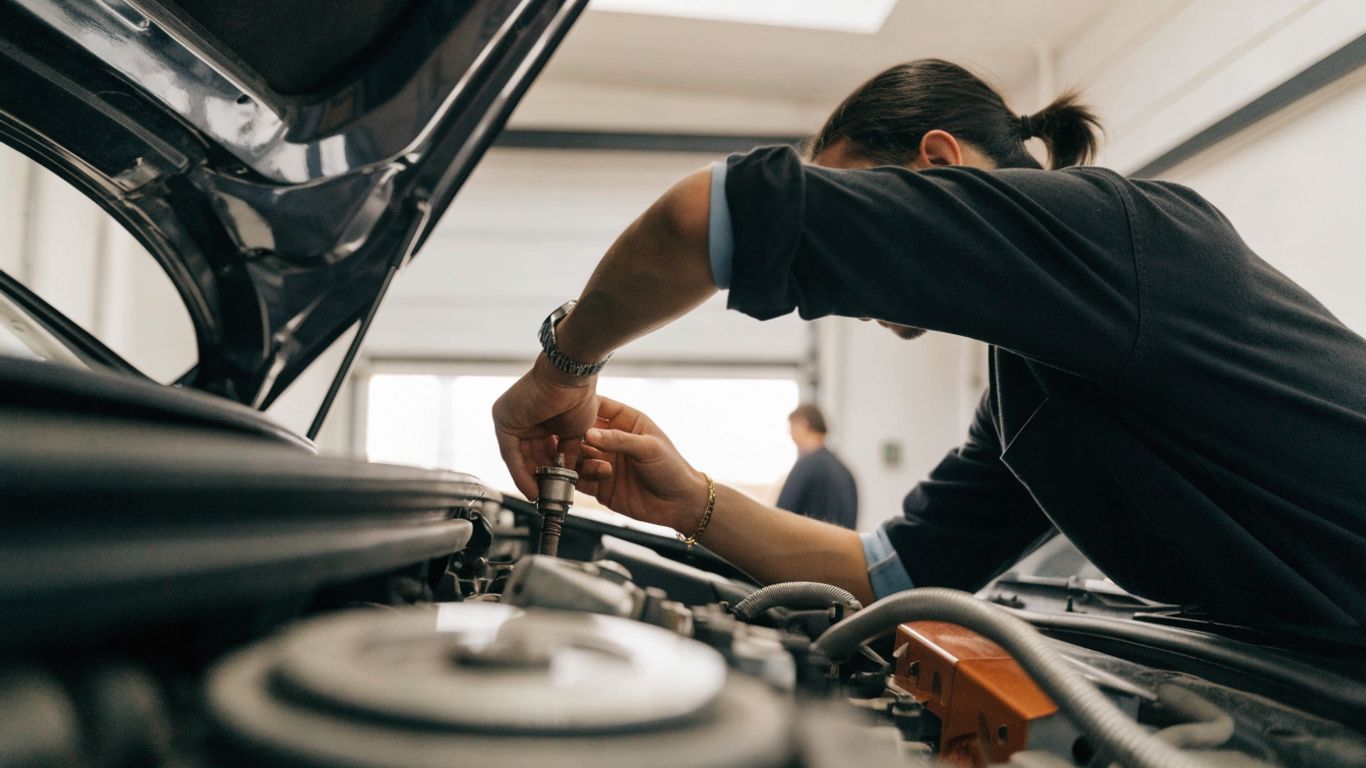
Worn or faulty spark plugs and ignition coils
Spark plugs provide the spark that ignites the mixture, while ignition coils supply the electrical energy needed to create it. A worn, fouled, or damaged plug can fail to fire reliably; a faulty coil can interrupt spark to the cylinder it serves. These problems may show up as rough running, hesitation, or a misfire code, but inspection and testing help confirm which part has failed.
Fuel delivery problems, from clogged injectors to low pressure
A cylinder needs the right amount of fuel at the right time. A restricted or faulty injector can disrupt delivery to one cylinder, while low fuel pressure may affect engine operation more broadly. Because fuel-system faults can resemble ignition trouble, a code alone does not prove that an injector needs replacement. The common causes and possible fixes include both ignition and fuel-related problems.
Vacuum leaks and other air intake issues
Air entering the engine through a leak can upset the intended air-fuel mixture. A damaged hose, a loose connection, or a leak near the intake manifold may contribute to rough running or a misfire, especially at idle. A technician can look for leaks and check whether air is entering the system where it should not. The pattern of symptoms and test results helps separate an air leak from a fuel or ignition fault.
Low compression and internal engine damage
For combustion to work, a cylinder has to seal well enough to build compression. Worn or damaged internal parts, or a problem with a valve, can reduce that compression and cause a persistent misfire. These faults are less likely to be resolved by replacing an ignition component, so compression testing can be important when simpler checks do not explain the symptoms. A consistent misfire in one cylinder deserves a closer look at both its ignition and mechanical condition.
How to diagnose an engine misfire
Diagnosis starts with the symptoms, any warning lights, and the vehicle’s maintenance history. An OBD-II scanner can reveal stored fault codes, but those codes are clues rather than a shopping list of parts to replace. Testing in a sensible order can help distinguish an ignition problem from a fuel, air, or compression issue. Broad guides to misfire symptoms and diagnosis can help explain the process, but the right checks depend on the vehicle.
Read OBD-II codes and identify the affected cylinder
A scan tool may show a general misfire code or identify a cylinder where the control system detected a misfire. Note any other codes as well, because they can help explain what is happening. A code points to a detected condition, not necessarily the component that caused it; confirm the result with inspection and testing before authorizing a repair.
Inspect ignition and fuel system components
Once the scan results and symptoms suggest an area to investigate, inspect the relevant parts rather than replacing them by guesswork. A basic diagnostic sequence can keep the checks organized:
- Check the spark plugs for wear, deposits, or damage.
- Inspect ignition coils and electrical connections for visible faults.
- Review fuel delivery and test pressure when the symptoms call for it.
- Compare the findings with the stored codes and the conditions when the misfire occurs.
The results can help determine whether the fault is isolated to one cylinder or affects the engine more generally. The next step should follow the evidence, not just the first code that appears.
Check for air leaks and compression problems
If ignition and fuel checks do not reveal a cause, inspect the intake system for loose or damaged hoses and other possible leaks. A compression test can help identify a cylinder that is not sealing properly. These checks require care, and the right procedure varies with the engine. Comparing test results across cylinders can make an isolated mechanical problem easier to spot.
When professional diagnostic equipment is needed
Some faults need more than a basic code reader or a visual inspection. A technician may use specialized equipment to test ignition signals, fuel pressure, intake leaks, or compression, depending on what the initial checks show. If you are weighing online advice, distinguish repair guidance from unrelated subjects such as responsible AI SEO practices; neither a search result nor a fault code can confirm a failed part by itself.
A repeated misfire, multiple warning codes, or uncertainty about safe testing is a good reason to seek professional diagnosis. It is usually more useful to share the conditions when the misfire happens than to arrive with a part already selected.
Engine misfire solutions by underlying cause
The repair should address the cause that testing has confirmed. Depending on the fault, that might mean replacing a worn ignition part, correcting fuel delivery, sealing an intake leak, or repairing internal engine damage. The repair is not complete until the engine runs properly and the original symptoms or codes have been checked again. A good diagnosis helps keep the fix proportionate to the problem.
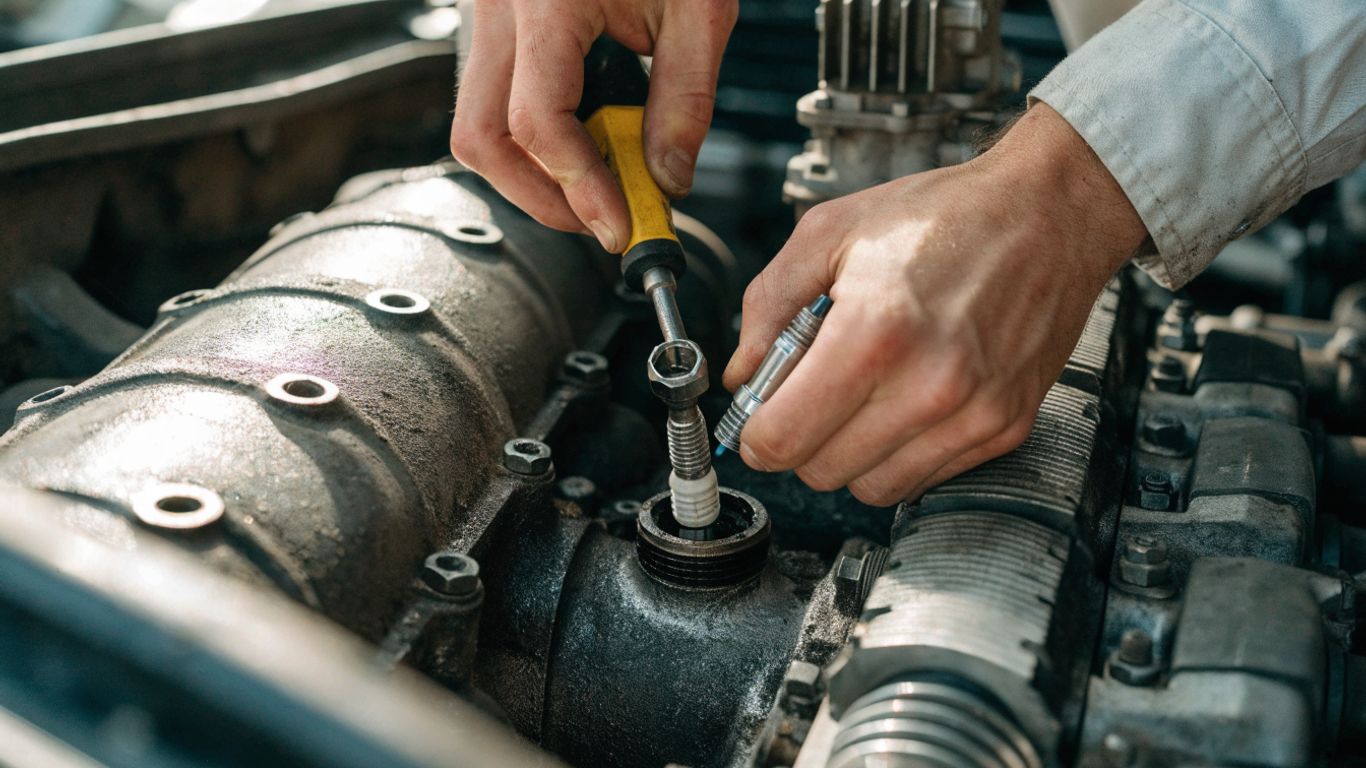
Replace worn spark plugs or faulty ignition parts
If inspection or testing confirms a worn spark plug, replace it with the correct part for the vehicle and follow the specified installation procedure. A failed coil or damaged connection should be repaired or replaced only after the fault is verified. It is also sensible to check related ignition components for wear, especially if the vehicle is due for scheduled maintenance. Afterward, confirm that the misfire has stopped rather than assuming the repair worked.
Clean or repair fuel system components
A fuel-system repair depends on what testing finds. A restricted injector may need appropriate cleaning or replacement, while a pressure problem may call for attention elsewhere in the supply system. Avoid adding treatments or replacing parts without establishing that the fault is fuel-related. The correct approach is the one that addresses the confirmed issue and is suitable for the vehicle.
Find and fix vacuum leaks
A damaged hose or loose intake connection may be repairable by replacing the affected part or securing the connection properly. More involved leaks can require careful testing to locate, so changing parts at random is rarely a reliable shortcut. Once the leak is corrected, the engine should be checked again under the conditions that previously brought on the rough running. That final check helps confirm the repair, rather than merely clearing a warning light.
Address compression loss or mechanical damage
Low compression calls for further mechanical diagnosis to determine what has failed inside the engine. The repair may involve more extensive work than an ignition or intake fix, so the test findings and repair options should be discussed before work begins. A cylinder that continues to misfire after routine components have checked out should not be treated as though it only needs a new plug. Careful testing can clarify the likely scope of the repair.
How urgent an engine misfire is
Urgency depends on how severe the misfire is, whether the warning light is flashing, and how the vehicle behaves. A mild or intermittent symptom still deserves investigation, but a flashing light or major loss of power raises the stakes. Continuing to drive can worsen some problems and may turn an initial fault into a more expensive repair. Use the vehicle’s behavior, not just the fact that it still moves, to decide what to do next.
When to stop driving and seek immediate help
Pull over somewhere safe if the check engine light is flashing, the engine is shaking heavily, power drops sharply, or you notice smoke, unusual heat, or a strong fuel smell. Do not keep driving to see whether a severe symptom clears on its own. If the vehicle feels unsafe or the problem is pronounced, arrange roadside help or a tow rather than risking a breakdown in traffic.
Risks of continued driving, including catalytic converter damage
A misfire can allow unburned fuel to pass through the exhaust, where it may overheat or damage the catalytic converter. The risk depends on the fault and how long the engine continues to misfire, so there is no reliable universal distance that is safe to drive. Persistent rough running can also make the vehicle less predictable, particularly when accelerating or merging. Prompt diagnosis is a practical way to limit the chance of added damage.
What to do if the vehicle still seems drivable
If the light is steady and the vehicle feels otherwise normal, arrange an inspection soon and avoid hard acceleration or heavy loads in the meantime. Pay attention to whether the symptoms change, and stop if the engine begins to shake, lose power, or run much worse. Do not assume that a steady light means the fault can wait indefinitely. A short, cautious trip to a repair facility may be reasonable in some cases, but severity and vehicle-specific guidance matter.
How to help prevent future misfires
Not every misfire can be prevented, but routine care can reduce the likelihood of avoidable ignition and maintenance-related problems. Use the vehicle’s owner information as the reference for service intervals and replacement specifications. When symptoms do appear, noting them early can help a technician investigate before the fault becomes more severe. The same idea of inspecting equipment periodically also applies to tasks such as checking sauna stones, though automotive maintenance requires vehicle-specific guidance.
Follow the vehicle’s maintenance schedule
Keep up with scheduled inspections and replace service items when the manufacturer’s maintenance information calls for them. Spark plugs, for example, have vehicle-specific service intervals, so a generic rule may not fit every engine. Regular servicing also provides a chance to notice worn connections or other developing issues. Consistency is more useful than waiting for a rough idle to make maintenance urgent.
Use the correct fuel and replacement parts
Use the fuel grade and replacement parts specified for the vehicle. A part that appears to fit may still be unsuitable for a particular engine, and incorrect specifications can create new problems or make diagnosis harder. If you are unsure, confirm compatibility using reliable vehicle information before installing a part. Choosing the right treatment for the material matters in other settings too, as in removing common laundry stains, but automotive parts must match the vehicle’s requirements.
Respond promptly to warning lights and rough running
A warning light or new vibration is a reason to pay attention, even if the vehicle seems to drive normally. Note when the symptom happens—at startup, while idling, or under acceleration—and whether it is getting worse. Getting a fault checked early may prevent continued driving with a problem that needs attention. Do not clear a warning code without also investigating why it appeared.
Keep a record of repairs and recurring symptoms
Write down repair dates, replaced parts, fault codes, and the conditions under which symptoms occur. This history can help identify a recurring issue and prevent the same checks from being repeated without a reason. If a misfire returns after a repair, the record gives the technician a clearer starting point. Clear notes are a small habit that can make the next diagnosis more direct.
Conclusion
An engine misfire is a symptom with several possible causes, from worn ignition parts to fuel, air, or internal engine problems. Use warning lights and changes in how the vehicle runs as prompts to investigate, not as proof of a particular failed part. With a careful diagnosis and a repair matched to the cause, you can address the problem more confidently and reduce the risk of avoidable damage.
Frequently Asked Questions
Can I drive with an engine misfire?
It depends on how severe the misfire is. If the check engine light is flashing, the engine is shaking badly, or power drops sharply, stop somewhere safe and seek help. Even a mild misfire should be checked soon.
What does a misfire feel like?
Drivers may notice shaking, hesitation, uneven idling, reduced power, or an engine that stumbles during acceleration. Symptoms can be intermittent, and they do not identify the cause by themselves.
Can a spark plug cause an engine misfire?
Yes. A worn, fouled, or damaged spark plug may fail to ignite the mixture reliably. Inspection and testing can help determine whether the plug is responsible or whether another fault is involved.
Does an OBD-II code tell me exactly what part to replace?
Usually not. A code can identify a detected misfire or point to a cylinder, but additional checks are needed to determine the underlying cause.
What does a flashing check engine light mean during a misfire?
It can indicate an active misfire that may damage the catalytic converter. Reduce engine load, find a safe place to stop if the vehicle is running poorly, and seek prompt advice.
Can a vacuum leak cause a misfire?
Yes. An intake leak can disturb the air-fuel mixture and contribute to rough running or misfires. Testing is often needed to locate the leak and distinguish it from other causes.
How can I help prevent engine misfires?
Follow the vehicle’s maintenance schedule, use the specified fuel and compatible parts, and investigate warning lights or rough running promptly. Keeping a record of repairs and symptoms can also help with future diagnosis.