

Key Takeaways
A little checking before checkout can prevent a wrong-fit part, an unexpected expense, or a difficult return. Keep the vehicle details and seller’s terms close as you compare options.
- Confirm your Kia’s year, model, engine, VIN, and relevant part number.
- Check that the listing describes the part clearly and supports its authenticity claims.
- Review seller contact details, fitment help, returns, warranty, and shipping terms.
- Compare the full cost and make sure the listing includes the parts you need.
- Save order records and inspect the shipment before arranging installation.
Identify the right engine part for your Kia
The most useful first step is to pin down exactly which vehicle and engine the part must fit. Similar-looking parts can vary by model year, engine type, or production details, so a broad search alone may not be enough. Gather the information from your registration documents and vehicle before comparing listings. That small bit of preparation makes the rest of the search more precise.
Find your vehicle’s year, model, and engine type
Start with the model year and full model name, then check the engine type fitted to your particular vehicle. A model may have more than one engine option, and the same name can cover different configurations across years. Registration paperwork, owner documents, and under-bonnet labels may help you verify the details. If you are unsure, ask a parts seller or qualified repairer to confirm the engine information before you buy.
Locate the VIN and engine code
The vehicle identification number (VIN) can help a seller check whether a part suits your specific vehicle. You can usually find it in vehicle paperwork and on a plate or label on the car; its exact location varies. The engine code may also be useful, especially when a listing distinguishes between engine variants. Share these details only with a seller you trust, and check that the response addresses your actual vehicle rather than relying on a general model match.
Match the part number to your vehicle
When available, compare the number on the part you are replacing with the number shown in a reliable parts reference or confirmed by the seller. A matching number is a useful cross-check, but it should sit alongside the year, model, and engine details rather than replace them. These common checks help keep the search grounded:
| Check | What to compare | Why it helps |
|---|---|---|
| Vehicle details | Year, model, and engine | Narrows the likely fitment |
| Part number | Existing part and listing | Helps identify the specific component |
| Listing contents | Individual part or assembly | Clarifies what is included |
| Seller confirmation | VIN or engine details | Adds a vehicle-specific check |
Use the table as a comparison aid, not as a substitute for confirmation when the fitment is uncertain. If the old number is missing or difficult to read, send clear photos and vehicle details to the seller before ordering.
Check for superseded or updated part numbers
A parts reference or seller may show a newer number in place of the one printed on an older component. That can indicate a supersession, but do not assume that two numbers are interchangeable just because they look similar. Ask the seller to confirm that the newer number applies to your vehicle and whether it replaces the number you have. Keep that confirmation with your order records in case you need to check the part again later.
Verify that parts are genuine
A listing can use words such as “OEM” or “genuine” without making the details easy to verify. Read the description carefully and look for specific information about the part’s origin, packaging, and part number. Where possible, compare those details with a reliable Kia parts reference or ask a seller for clarification. A few careful checks are more useful than relying on a single label or product photo.
Understand what OEM and genuine Kia parts mean
The terms “OEM” and “genuine” are often used in parts listings, but sellers may use them differently. Ask what the listing means in practical terms: who made or supplied the part, whether it is represented as a genuine Kia part, and what evidence is available. Do not treat an unfamiliar label as proof by itself. A clear answer helps you understand what you are buying before you pay.
Look for packaging, labels, and part-number details
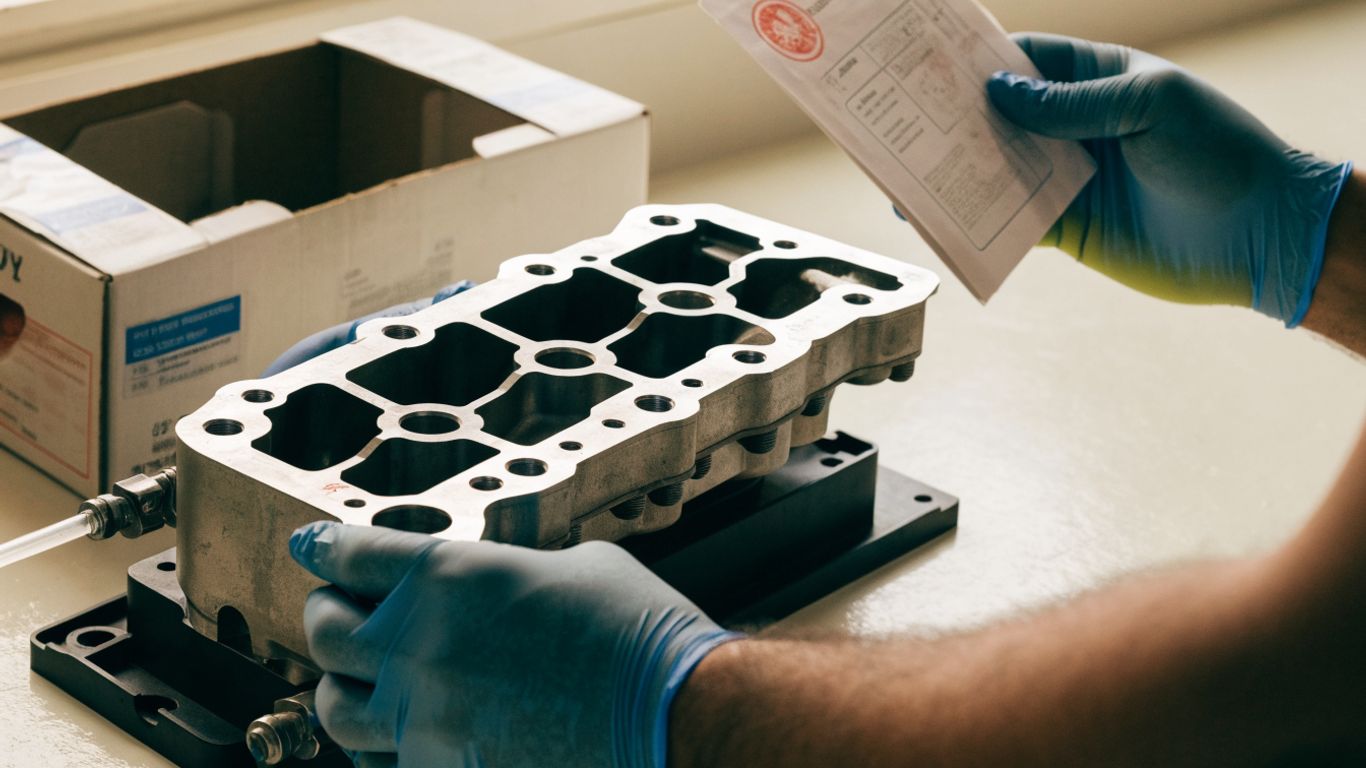
Photos can help you assess whether a listing provides meaningful detail. Look for readable labels, a part number, and packaging that is shown clearly rather than cropped out or hidden. If the item is used or the packaging is unavailable, ask for current photos of the actual part and an explanation of its condition. The part-number match is one useful signal, but it does not independently establish authenticity or fitment.
Compare listings with official Kia parts information
Use a Kia parts reference or seek confirmation from a Kia parts department when you need to check a number or description. Compare the reference details with the listing, including any notes about vehicle fitment or part-number changes. If the information does not line up, pause and ask the seller to explain the difference before ordering. This extra check is especially worthwhile when the listing is brief or the part is difficult to identify visually.
Spot warning signs in unusually cheap or vague listings
A very low price is a reason to inspect the details, not proof that a listing is fraudulent. Be cautious when there is no part number, no useful photo, unclear condition information, or no answer to a direct question about authenticity. Also check whether the price covers the item shown or only a small component from a larger assembly. If the seller cannot explain what is included, keep looking rather than guessing.
Choose a trustworthy online seller
A useful seller makes it possible to understand the item and the terms before checkout. Look for contact details, clear policies, and a way to ask a fitment question. Take a moment to see whether the answers you receive address your vehicle and the specific part, rather than simply repeating the listing. Good communication is part of making an informed purchase, particularly when the component is costly or technical.
Check the seller’s contact and business information
Look for a business name, working contact channel, and enough information to understand who is taking the order. If you need clarification, try contacting the seller before you buy and note whether the reply is specific and helpful. A seller’s location and business details may also matter if you later need to return an item. Keep a record of the contact information shown when you place the order.
Review return, warranty, and shipping policies
Read the terms before checkout, including who pays return postage and whether a part must remain unused or in its original packaging to qualify for a return. Check what the warranty covers, how long it lasts, and how to make a claim. Shipping estimates and delivery restrictions matter too, especially for bulky or heavy engine components. If a policy is unclear, ask for an explanation in writing before placing the order.
Assess customer feedback with care
Reviews can help you spot recurring concerns, but they are only one piece of the decision. Look for comments that describe communication, dispatch, packaging, and how a problem was handled. Give more weight to specific experiences than to a bare rating, and remember that a review does not guarantee your order will go the same way. A useful rule of thumb is:
Look for repeated, specific patterns in feedback rather than treating one review as proof.
Apply that principle alongside the seller’s policies and the answers they give you directly. If feedback raises a concern about returns or fitment, ask about that point before you commit.
Confirm how the seller handles fitment questions
Ask whether the seller can check the part against your VIN, engine code, or part number, and explain what information they need to do so. A helpful response should address the details you provide and make clear if fitment cannot be confirmed. Save the reply, especially if it identifies a particular part number or notes an exception. If the answer is vague, do not treat it as a fitment guarantee.
Compare listings and total costs
A low listed price does not always mean a lower final cost. Compare like with like: the same part number, condition, and package contents, with delivery and other charges included. Check the terms as well as the numbers, since returns and warranty coverage can affect the value of a purchase. Taking a moment to lay out the differences can make an apparent bargain easier to judge.
Compare prices for the same part number
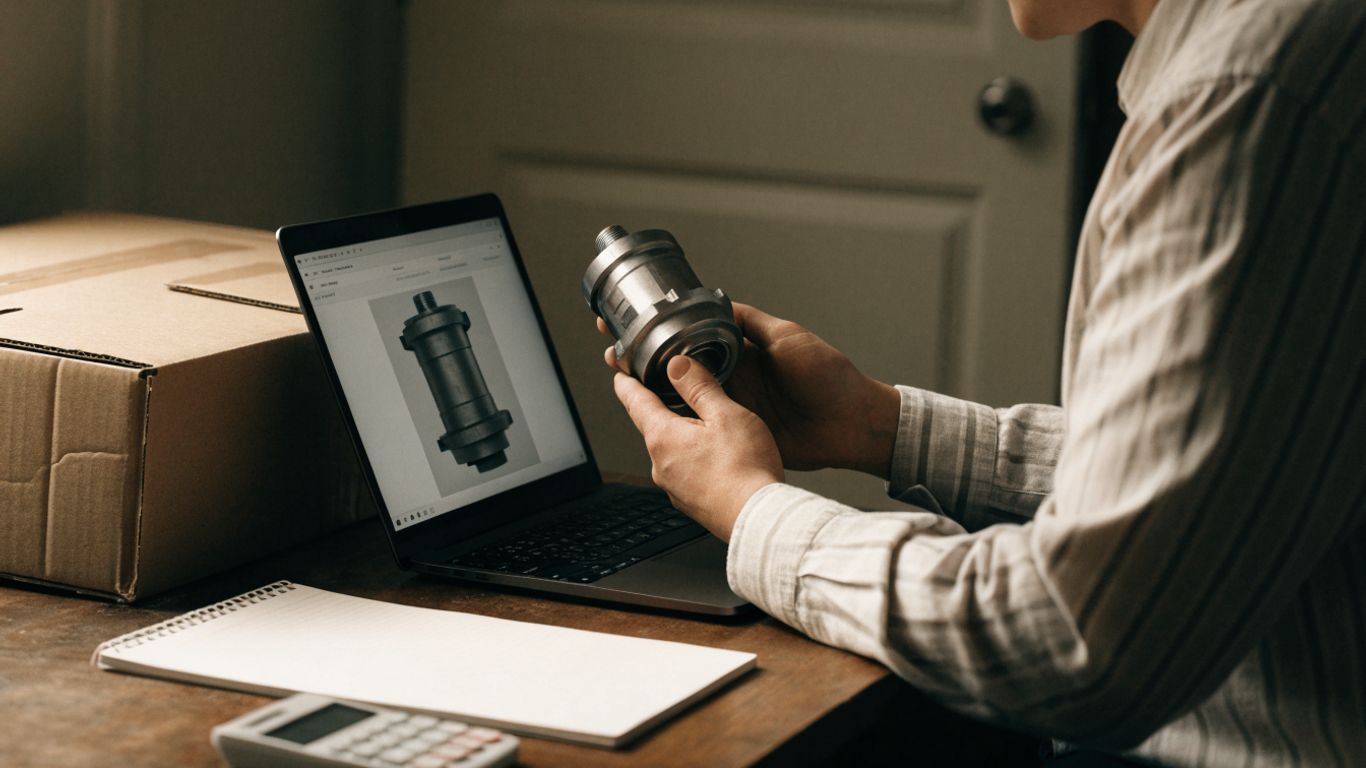
First confirm that each listing is for the same part number and condition. A new part, a used part, and a complete assembly are not direct price comparisons even if their titles use similar words. Check the photos and description for any variation in what is supplied. Once the listings match on those points, compare the price without overlooking delivery or policy differences.
Include shipping, taxes, and possible import fees
Check the full amount due at checkout, not just the headline price. Delivery charges, taxes, and possible import fees can change the final cost, particularly when a part is shipped from outside your region. Review the estimated delivery window and any conditions that could affect shipping. If an extra fee is not explained, ask the seller or relevant carrier before ordering so you can compare the likely total more fairly.
Check whether the listing is for one part or a complete assembly
The wording and photos should make clear whether the price covers a single component or a larger assembly. Read the included-items description carefully; a pictured set of parts does not necessarily mean every item shown is included. If a repair requires seals, fasteners, or related components, check whether they are supplied or need to be sourced separately. Confirm the package contents with the seller when the listing leaves room for doubt.
Weigh price against warranty and return terms
A modest price difference may matter less than clear return conditions or a warranty that suits the purchase. Compare how long you have to report a problem, what condition the part must be in, and who pays return shipping. Do not assume that a higher price means better coverage; read the actual terms. Choose the listing whose cost and conditions you understand, rather than relying on price alone.
Order and inspect your engine parts
Before paying, take one last look at the vehicle details, part number, package contents, and seller’s confirmation. Save the listing and terms, since product pages can change after an order is placed. When the delivery arrives, inspect the parcel and item before installation. If anything is damaged or differs from the description, contact the seller promptly and keep the packaging until the issue is resolved.
Confirm fitment before completing checkout
Review your notes and make sure the selected listing matches the confirmed part number and vehicle details. If the seller has answered a fitment question, check that the answer refers to the exact item in your cart. Resolve any mismatch before completing payment, rather than assuming it can be sorted out later. This final pause is a simple way to reduce avoidable returns.
Save the listing and order confirmation
Keep a copy of the product description, photos, price, policy terms, and any written fitment response. Save the order confirmation and delivery information as well. These records make it easier to check what was promised if the part arrives late, damaged, or different from the listing. A screenshot or downloaded copy is useful if the page is updated or removed.
Inspect the package and part when it arrives
Check the parcel for visible damage before discarding its packaging, then compare the part and labels with your order details. Look for the expected number, quantity, and condition, and note any differences. Avoid installing a part if it appears damaged or does not match what you ordered. Take clear photos of the packaging and item while everything is still as delivered.
Contact the seller promptly about damage or mismatches
If something is wrong, contact the seller using the channel in your order records and describe the issue clearly. Include the order number and photos of the part, labels, and packaging. Keep the messages and follow the seller’s stated process for a return or replacement. Acting promptly can help keep the issue within the time limits set by the seller’s policy.
Plan for installation and ongoing care
Buying the right part is only one part of a successful repair. Consider the complexity of the job, the tools and experience it requires, and whether you can follow the relevant service information. Keep the paperwork together after installation, including receipts and any warranty terms. Once the work is done, check that the original symptom has been addressed rather than assuming that a new component has resolved it.
Decide whether professional installation is needed
Some engine work calls for specialist tools, diagnostic steps, or experience that a home mechanic may not have. Consider the repair instructions, access to the part, and the consequences of an installation error before deciding to do the work yourself. If the job is unfamiliar or affects engine operation, ask a qualified repairer to assess it. The cost of installation is worth including when you compare the overall repair expense.
Follow Kia service information for installation requirements
Use service information that applies to your vehicle and engine, rather than relying on instructions for a similar model. Check for specified procedures, tools, replacement items, and any inspection steps that apply to the repair. If you do not have the relevant information, ask a qualified repairer to confirm the requirements before work begins. Following vehicle-specific guidance can help avoid overlooking details that are easy to miss.
Keep receipts and warranty records
Store the invoice, order confirmation, part details, and warranty information together. If a repairer installs the part, keep the installation record too. These documents can help if you need to contact the seller or make a warranty enquiry later. Note the installation date and any follow-up work while the details are fresh.
Confirm the repair resolves the original engine issue
After installation, check whether the original symptom has changed and follow any advice from the repairer about monitoring the vehicle. If the warning sign or problem remains, do not assume the newly installed part is necessarily at fault; the cause may need further diagnosis. Return to the repairer or a qualified technician with a clear description of what has happened. Keeping the original symptoms and repair notes together can make that next assessment more useful.
Conclusion
Buying engine parts online with confidence comes down to careful identification, clear seller terms, and a final check of the item you receive. Match the part to your vehicle, verify what the listing actually offers, and keep records from the first fitment question through installation. When a detail is uncertain, pause and get it confirmed before moving ahead.