

Key Takeaways
The right choice depends on the part, the vehicle, and what a failure would cost you. Compare fit, evidence, warranty terms, and the full installed price rather than relying on the label alone.
- Genuine parts carry the vehicle manufacturer’s branding; aftermarket parts are made by other suppliers.
- Confirm the part number, engine code, and vehicle details before ordering.
- Compare total installed cost, expected service life, and the consequences of failure.
- Read warranty terms closely, including any conditions on installation and labor.
- Choose a seller with clear fitment information, support, and return terms.
Understand what genuine and aftermarket mean
The words on a parts listing can sound more definitive than they are. Genuine and aftermarket describe different routes to a replacement part, but neither label alone tells you whether a particular item is suitable for your engine. Start by understanding what the seller means, then verify the specific part and its application.
Genuine parts and the vehicle manufacturer’s branding
A genuine part is sold under the vehicle manufacturer’s branding as a replacement for its vehicles. That branding can make identification more straightforward, but it is still worth checking the part number and vehicle application rather than assuming every item carrying a familiar name fits your car. Packaging, seller details, and documentation also matter when you want confidence that the item is authentic.
How aftermarket parts differ from genuine parts
Aftermarket parts are replacement components supplied outside the vehicle manufacturer’s branded parts range. Some are designed for a specific application, while others may be listed for a wider range of vehicles; the listing and supplier’s fitment information are what help distinguish them. For a broader overview of the trade-offs, see this genuine and aftermarket parts comparison.
A different manufacturer or label does not settle the question of suitability. Look for clear application details, any stated limitations, and a way to get help if the listing does not match your engine. The useful question is not whether a part is simply “good” or “bad,” but whether it is supported for the job you need it to do.
Where OEM and OE terminology can cause confusion
OE usually refers to original equipment, while OEM means original equipment manufacturer, but sellers may use these terms differently. A listing that says OEM does not necessarily mean the item is being sold as a genuine, vehicle-branded part. Ask who made the component, who is selling it, and what the wording refers to before treating the label as proof of origin.
Compare fit, compatibility, and quality
A part can look right in a photo and still be wrong for a particular engine variant. Small differences in model year, engine code, or production specification may affect fitment. Confirming those details before purchase is often easier than resolving a mismatch after the repair has begun.
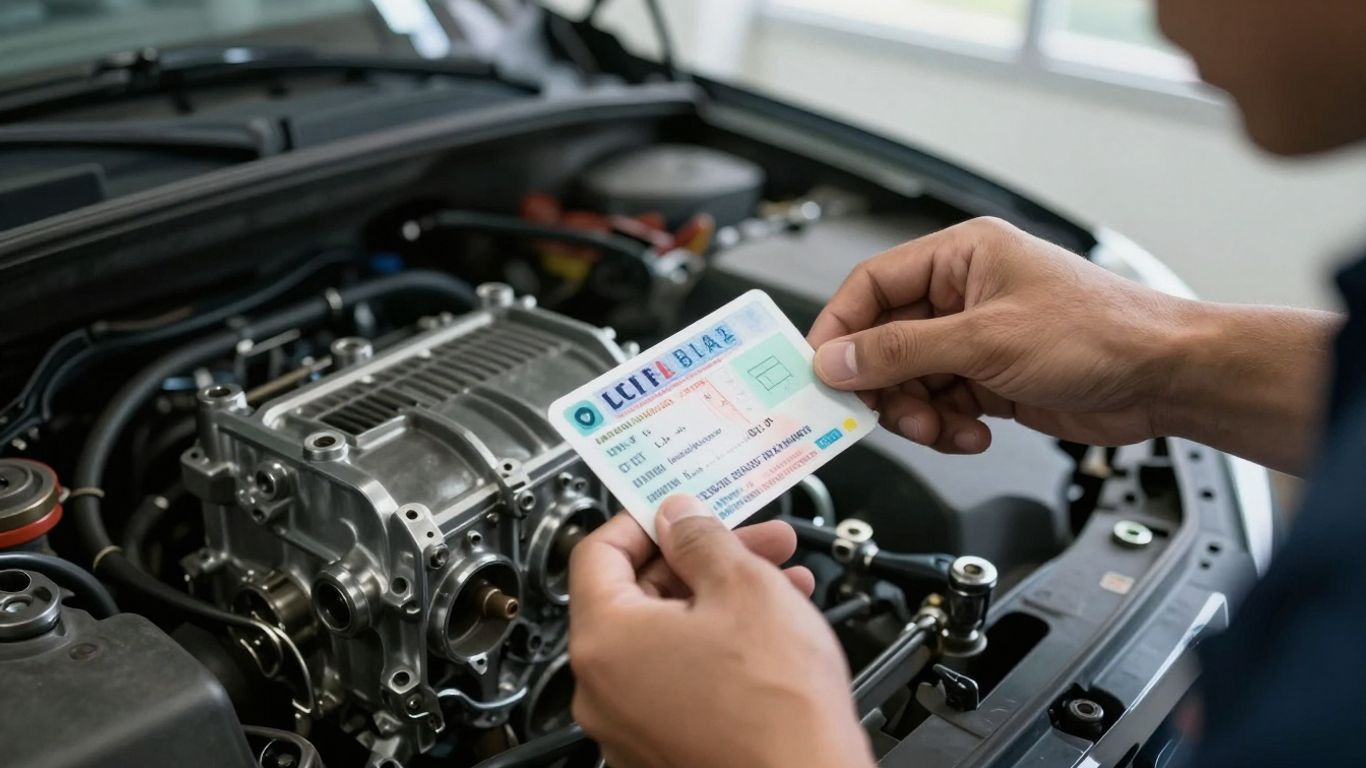
Check the part number, engine code, and vehicle details
Use the vehicle identification details available to you, including the model year, engine code, and existing part number when possible. If the old component has a legible number, compare it with the replacement listing, but do not rely on that number alone if the vehicle has been modified or the part has been superseded. When details conflict, pause and ask the supplier or a qualified mechanic to confirm the application.
Assess materials, manufacturing standards, and testing
Quality is easier to judge when a listing describes what the part is made from, which standards it meets, or what testing has been performed. Not every seller provides the same level of detail, so avoid treating a vague quality claim as evidence. Ask for specific documentation where the component’s role makes precision especially important.
A simple comparison can keep the decision grounded in information rather than assumptions about the label:
| What to compare | Useful evidence | Why it matters |
|---|---|---|
| Application | Part number and engine fitment | Helps confirm the component suits the vehicle |
| Construction | Materials and manufacturing details | Gives context for expected use and durability |
| Quality checks | Stated standards or testing information | Shows what evidence the seller provides |
| Support | Technical contact and return terms | Clarifies what happens if fitment is uncertain |
The table is a prompt for questions, not a universal rating system. If important details are missing, ask the seller before ordering or consider a listing with clearer documentation.
Look for fitment notes and known compatibility issues
Read the full listing for exclusions, engine-specific notes, and any stated conditions on fitment. A part may apply only to certain production dates or configurations, even when the vehicle’s make and model appear to match. If you are also comparing parts for a machine rather than a car, this equipment parts comparison illustrates a related compatibility question in a different setting.
Weigh cost against long-term value
The lowest purchase price is only one part of the cost. Installation, vehicle downtime, and the chance of needing the work done again can change the overall calculation. Consider those factors for the specific component instead of assuming that either genuine or aftermarket will always be cheaper over time.
Compare purchase prices and installation costs
Compare like with like: check that each option is intended for the same application and includes the same components. Then add labor, any required related parts, and likely delivery charges. A lower-priced item may still be the sensible choice, but the installed total gives you a fairer comparison than the listing price alone.
Consider expected lifespan and replacement frequency
Expected life can be difficult to predict without reliable information about the component and its use. Look for stated service guidance or evidence from a qualified supplier, and be cautious about broad promises that lack supporting detail. How the vehicle is driven and maintained can also affect how often a part needs attention.
Account for the cost of failure or downtime
For some components, a failure could lead to additional repair work or leave the vehicle unusable until a replacement arrives. Before choosing, think through how much interruption you can tolerate and whether a repair would be difficult to repeat. The cost of a comeback belongs in the calculation, especially when access or labor makes a second repair expensive.
Review warranties and support
Warranty length alone does not tell you how useful the coverage will be. Read what is covered, who must carry out the installation, and what steps are required if something goes wrong. Good support also means being able to get a clear answer about fitment before buying.
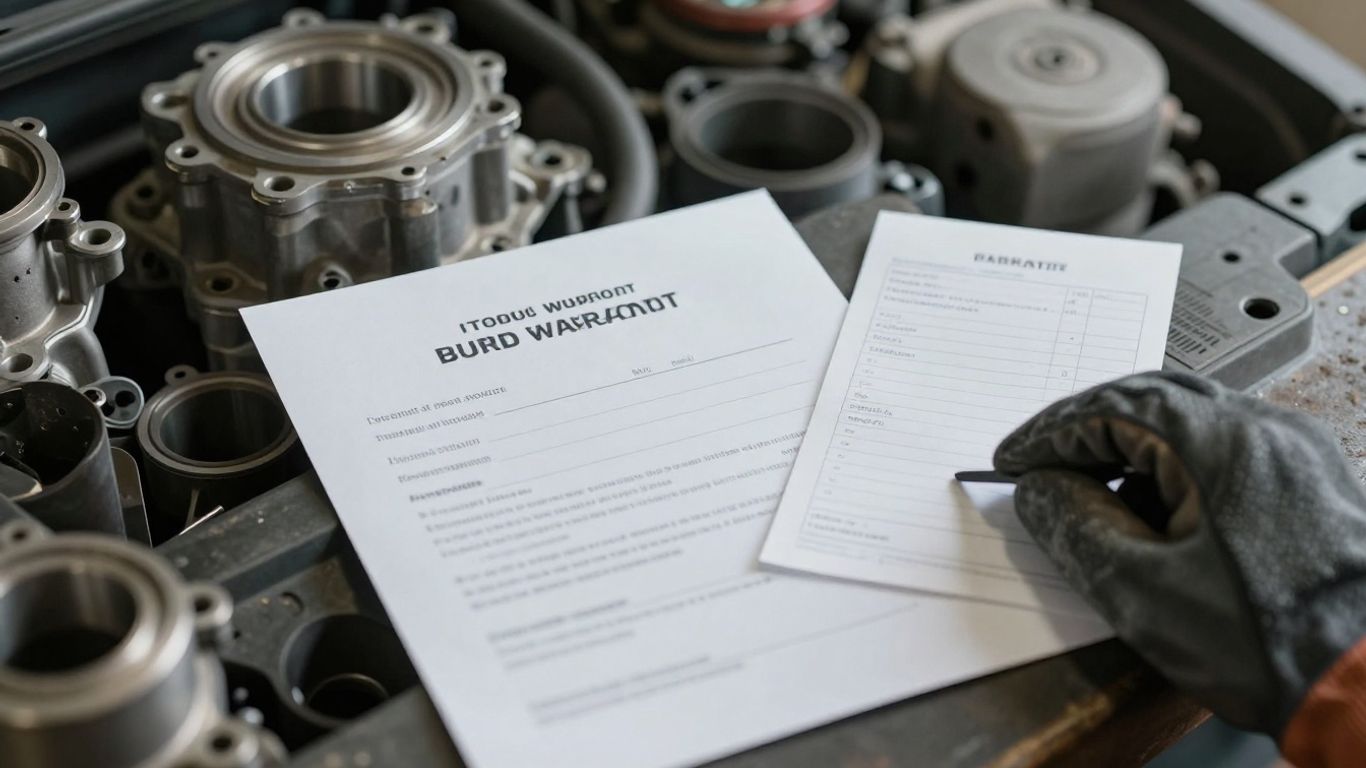
Compare coverage for the part and labor
Some warranties cover the part but not the labor required to remove or replace it. Others may set conditions around installation, use, or maintenance. Compare the written terms for each option and include potential labor costs in your decision, rather than relying on a general statement that the item is “warranted.”
Check who handles claims and technical support
Find out whether the seller, manufacturer, or another party handles claims. Before ordering, check how to contact them and what information they may require if there is a fitment question or fault. The same habit of comparing relevant expertise, communication, safety support, and costs helps when selecting a Dubai orthopedic doctor, even though the decision itself is quite different.
Keep receipts and verify warranty conditions
Save the invoice, listing details, and any written advice about fitment or installation. These records can help establish what was purchased and which terms applied. If a warranty requires particular installation or maintenance steps, confirm them in advance and keep the corresponding service records.
Match the part to the engine component
The right level of caution depends partly on where the part sits in the engine and what happens if it fails. A critical internal component may call for stronger evidence and a closer fit check than a routine service item. The decision should reflect the component’s function, not just its price or label.
Prioritize precision for critical internal parts
For internal engine components, small differences in dimensions or specifications can matter. Confirm the exact application and seek advice from a qualified professional when the listing or existing part does not provide a clear match. If the consequences of a mismatch could be substantial, documented fitment and dependable support deserve extra weight.
Evaluate alternatives for routine maintenance items
For routine maintenance parts, a well-documented alternative may suit the vehicle and budget, provided the application is confirmed. Check the service schedule and any vehicle-specific requirements before deciding. A useful comparison keeps the relevant factors visible:
- Confirm that the replacement matches the vehicle and engine variant.
- Check the stated materials, standards, or other available quality information.
- Compare warranty conditions and who will provide support.
- Consider the complete installed cost, not only the item price.
Taken together, these checks help distinguish a genuinely suitable alternative from one that merely appears cheaper. If a specification is unclear, ask before fitting the part.
Consider performance modifications and specialist components
Modified engines and specialist applications can have requirements that differ from a standard replacement. Confirm that a proposed component is intended for the configuration you have, and discuss uncertain specifications with a mechanic familiar with that work. Do not assume that a general fitment listing covers a modified setup.
Verify the seller and make the final choice
Even a suitable part can become a poor purchase if the listing is incomplete or the seller cannot answer basic questions. Check how the supplier identifies parts, handles returns, and provides support. A careful seller check is especially useful when two options look similar on price and description.
Buy from a reputable dealer or established supplier
Look for clear contact details, a specific fitment description, and a straightforward way to ask questions. An established supplier should be able to explain what information is needed to verify a part, rather than asking you to guess from a photograph. The same attention to service details applies when arranging biomedical equipment service, although the equipment and requirements are different.
Check for counterfeits, incomplete listings, and unclear returns
Be cautious when packaging or origin claims are unsupported, the listing omits key vehicle details, or return terms are hard to find. Ask whether the part is new, used, genuine, or aftermarket, and request clarification if the description mixes those categories. Clear answers make it easier to judge the offer before committing.
A seller’s online information can also be part of the picture: for example, service-area visibility is a topic about how businesses present themselves online, not proof that any particular parts listing is trustworthy. For the purchase itself, rely on verifiable fitment details, written terms, and direct answers.
Choose based on risk, budget, and intended vehicle use
There is no single choice that suits every engine part or every owner. Consider how the vehicle is used, how costly downtime would be, and what confidence the seller can provide about fit and support. Comparing options for an unrelated purchase, such as Seine cruises, also depends on matching the choice to practical priorities; for engine parts, those priorities are compatibility, total cost, and the consequences of a failure.
Conclusion
Choosing between genuine and aftermarket engine parts is a matter of matching the component to the vehicle and weighing the evidence in front of you. Verify fitment, compare the full installed cost, and read the warranty and return terms before ordering. When the component is critical or the details are uncertain, ask a qualified professional or supplier to confirm the application.
Frequently Asked Questions
Are genuine parts always better than aftermarket parts?
Not necessarily. The label alone does not establish whether a part is suitable or well documented; check its application, available quality information, warranty, and the seller’s support.
Do aftermarket parts fit every version of a vehicle?
No. Fitment may depend on the engine code, model year, production details, or modifications. Confirm the exact application before ordering.
What does OEM mean on a parts listing?
OEM stands for original equipment manufacturer, but sellers may use the term in different ways. Ask who made the part and whether it is being sold as a genuine, vehicle-branded item.
Should I choose the cheapest engine part?
Compare the installed total rather than the item price alone. Labor, downtime, support, and the cost of repeating a repair can affect which option is better value.
Can an aftermarket part affect a vehicle warranty?
Warranty terms and applicable rules can vary. Review your vehicle and part warranties, and ask the relevant provider how a replacement part may affect coverage before proceeding.
How can I check whether a part fits my engine?
Use the part number, engine code, model year, and other vehicle details to check the listing. If any information conflicts or is missing, ask the supplier or a qualified mechanic to verify it.
What should I do if a part fails after installation?
Stop using the vehicle if continuing could cause further damage, then contact the seller or warranty provider and follow their process. Keep the invoice, installation records, and any relevant communications.