

Key Takeaways
A few steady habits can reduce the risk of lubrication-related engine damage. Check the level, use the specified oil, and treat pressure warnings as urgent.
- Check the oil on level ground and follow the vehicle’s dipstick instructions.
- Use the viscosity and specifications listed in the owner’s manual.
- Follow the vehicle maker’s oil-change interval, adjusting for demanding use.
- Investigate leaks, falling oil levels, unusual noise, or burning-oil smells promptly.
- If the oil pressure warning light comes on, pull over safely and shut off the engine.
Understand how lubrication failure damages an engine
Engine oil does more than wet the parts inside an engine. It circulates through passages and helps reduce friction and carry heat away from moving components. When oil is too low, too degraded, or not circulating properly, some surfaces may not receive the protection they need. Understanding that difference helps explain why a warning light or a small leak deserves attention.
How oil forms a protective film between moving parts
As the engine runs, oil moves between surfaces that slide or rotate against one another. The oil film helps limit direct contact, while circulation carries heat and contaminants through the lubrication system. That film is not a permanent coating; it depends on having suitable oil and an adequate supply reaching the parts. Regular maintenance helps keep those conditions in place.
Why low oil level, low pressure, and poor oil condition matter
These problems can overlap, but they are not identical. A low level means there is less oil available in the sump; low pressure means the oil may not be circulating as it should. Old or contaminated oil can also lose some of its ability to protect components. For a further explanation of how pressure problems can increase friction and heat, see this overview of low oil pressure.
A warning light should not be treated as a routine reminder to schedule service later. It can indicate that lubrication is compromised, and continued running may worsen damage. The early warning signs matter because acting promptly can help prevent a small issue from becoming a major repair.
Which engine components are most vulnerable to oil starvation
Any component that depends on circulating oil can be affected, including bearings and valve-train parts. The precise risk depends on the engine and the underlying fault, so it is not possible to diagnose damage from a sound or warning light alone. A general discussion of engine wear factors also covers how poor lubrication and contaminated oil can contribute to wear.
Check and maintain the engine oil level
Checking the level is a simple way to catch gradual oil loss before it becomes severe. Use the vehicle’s owner’s manual for the correct procedure, since dipstick design and checking instructions vary. Make the check on level ground and give the engine time to settle as directed by the manual. This routine is especially useful when a car is older, has shown signs of a leak, or is used often.
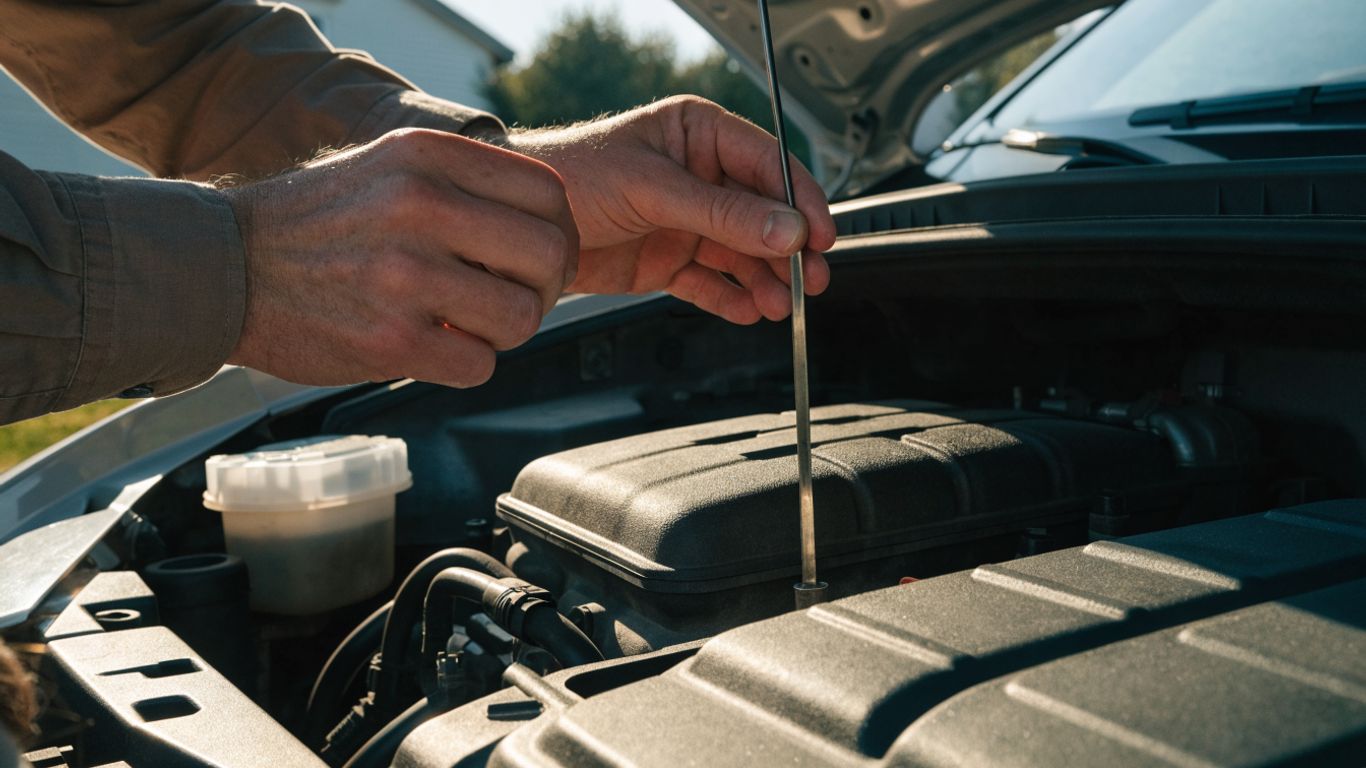
How to check the dipstick accurately
Park on level ground and follow the manual’s instructions about whether the engine should be warm or cool and how long to wait after shutting it off. Remove the dipstick, wipe it clean, insert it fully again, then withdraw it to read the level. A few consistent steps make the reading easier to trust:
- Use a clean cloth or paper towel to wipe the dipstick.
- Reinsert it completely before taking the reading.
- Check that the oil sits between the marked low and full points.
- Repeat the reading if oil smears make the level unclear.
If the reading is low, add oil only after checking the correct specification and the vehicle’s refill instructions. Note the level and date so you can tell whether it is dropping between checks. Do not assume a normal reading rules out a pressure problem if a warning light is on.
How often to check oil based on driving conditions
There is no single checking frequency that suits every vehicle. The owner’s manual may recommend a schedule, and more frequent checks can make sense if the car is used heavily, has a history of oil loss, or is driven on long trips. A quick check before a demanding journey can also give you a useful baseline. The point is to notice a trend, not to rely on one isolated reading.
How to top up oil without overfilling
Confirm the required oil in the owner’s manual or the information provided for the vehicle, then add a small amount at a time through the filler opening. Pause briefly and recheck the dipstick so you can approach the correct range gradually. Overfilling is not a substitute for a proper level and can create its own operating problems. If the level keeps falling, have the cause investigated rather than repeatedly topping up without checking for leaks or consumption.
Use the right oil and filter
The oil that is suitable for one engine may not be right for another. Specifications can vary by model, engine, and operating conditions, so choosing by brand name or viscosity alone is not enough. The owner’s manual is the best starting point, and the filter must also be compatible with the vehicle. This section is about matching parts to the maker’s requirements, not choosing the most expensive option.
Match oil viscosity and specifications to the owner’s manual
Look for both the viscosity grade and any required performance specifications listed in the manual or on the vehicle’s service information. The right grade helps oil circulate as intended across the conditions the engine is designed for, while the stated specifications narrow down suitable products. If the information is unclear, ask a qualified service professional or parts supplier to confirm the correct match using the vehicle details.
Choose a compatible oil filter and replace it on schedule
A filter should be selected for the exact vehicle application and changed according to the maintenance schedule. A filter that does not fit or meet the required specification may not perform as intended. During an oil change, check that the old filter has been removed and that the new one is installed correctly. If there is uncertainty about fitment, confirm it before installation rather than relying on appearance alone.
Avoid mixing oils or using additives without checking compatibility
If you need to top up, use oil that meets the vehicle’s requirements. Avoid assuming that two products are compatible merely because their labels look similar, and check the manual before using an additive. If the specified product is unavailable, seek reliable guidance instead of experimenting. For a separate household care task, wooden cutting board oiling uses a different kind of oil and is not a substitute for engine oil.
Follow an oil-change schedule that fits your driving
Oil changes help keep the lubrication system supplied with oil that meets the vehicle’s requirements. The schedule is not one-size-fits-all: vehicle makers set intervals for specific models, and driving conditions can affect how quickly oil needs service. Keep a record of both the date and odometer reading so you have a clear reference. Regular oil changes are also part of a broader effort to reduce friction and manage contamination, as described in this guide to routine oil changes.
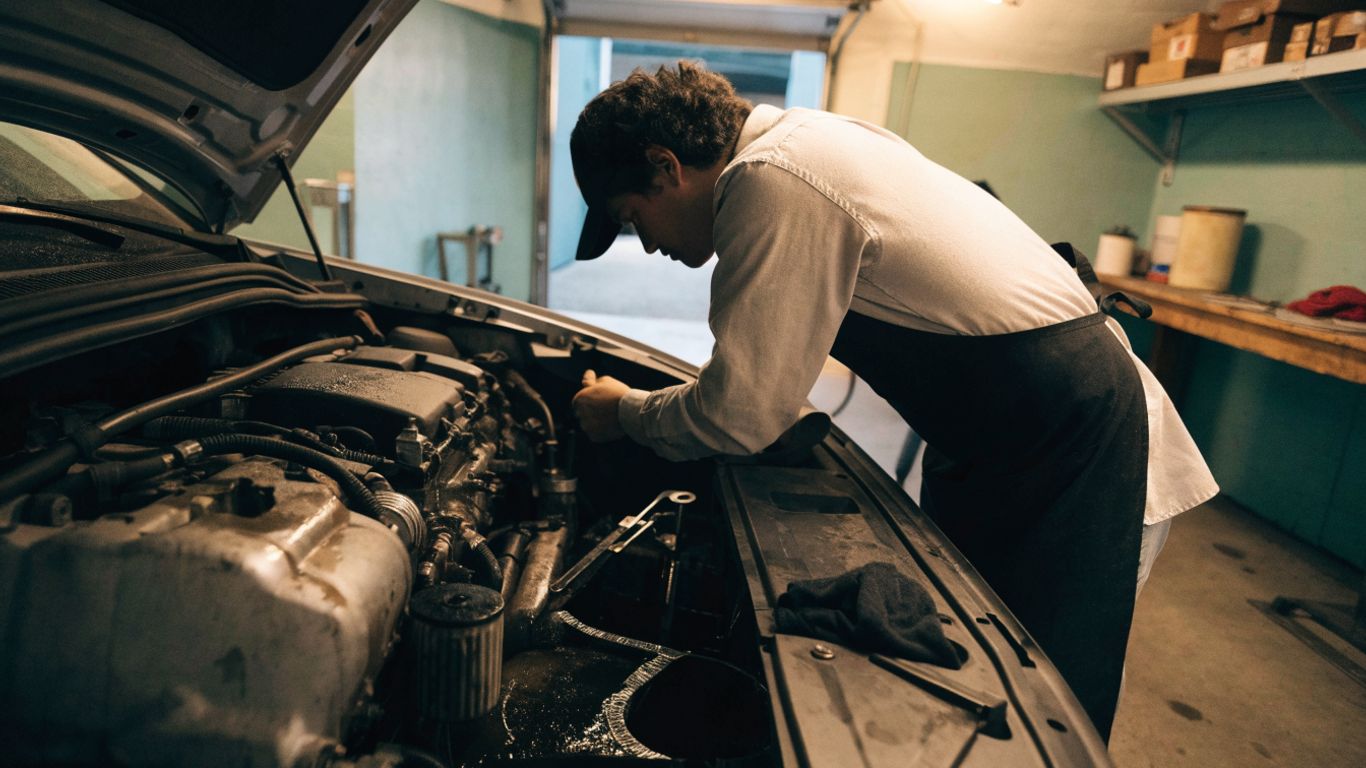
Use the vehicle maker’s interval as a starting point
Check the owner’s manual or vehicle maintenance display for the recommended interval and follow the instructions that apply to your car. Some vehicles use service reminders, but the manual remains useful for understanding the conditions behind the reminder. If you are unsure which schedule applies, confirm the year, model, and engine before setting an interval. A reminder is useful only when it is interpreted for the right vehicle.
Adjust for short trips, towing, extreme temperatures, and dusty roads
Frequent short journeys, towing, very hot or cold weather, and dusty conditions may place different demands on an engine than steady, moderate driving. Check the manual for any severe-use schedule and apply it if your driving matches those conditions. A maintenance log can make the pattern easier to see over time:
| Driving pattern | What to check in the manual |
|---|---|
| Frequent short trips | Whether the severe-use schedule applies |
| Towing or carrying heavy loads | The service interval for demanding use |
| Very hot or cold conditions | Any temperature-related maintenance guidance |
| Dusty roads | Whether the specified service schedule changes |
Use the vehicle maker’s guidance rather than inventing a shorter interval based on a general rule. For a separate property-maintenance concern, roof repair costs are a different subject and do not determine an engine’s oil schedule. Likewise, salt-air maintenance for coastal condos concerns property upkeep, not vehicle lubrication.
Track oil changes and investigate unusually rapid oil loss
Write down the date, odometer reading, and oil specification after each service. If you top up between changes, record how much was added and when; that makes a recurring drop easier to recognize. A need for frequent top-ups may point to a leak or another issue that requires inspection. Keeping other records, such as coverage coordination steps, is a separate administrative task; for the car, make the oil history specific enough to help a technician understand the pattern.
Recognize warning signs of lubrication problems
A change in the way the engine sounds or smells can be a reason to stop and investigate, especially if it occurs alongside a warning light or a falling oil level. These clues do not identify the exact fault by themselves, but they should not be ignored. Note when the symptom began and whether it changes with engine speed or temperature. That information can help a technician assess the problem.
What the oil pressure warning light means
An oil pressure warning is different from a routine maintenance reminder. It may indicate that oil pressure is too low for the engine to be lubricated properly, so treat it as an urgent warning. Pull over safely and shut the engine off rather than driving on to see whether the light clears. This explanation of low oil effects describes why delayed action can raise the risk of engine damage.
How to interpret engine noise, smoke, or a burning-oil smell
Unusual knocking, ticking, or other new engine noise can have several causes, and a sound alone cannot confirm oil starvation. Smoke or a burning-oil smell may also signal a problem that deserves prompt attention. If any of these appear with a pressure warning, rising temperature, or sudden loss of power, stop safely and avoid continuing the trip. A technician can inspect the engine and identify the cause.
When oil leaks or falling oil levels call for prompt inspection
Fresh spots under the parked car, oil around engine components, or a dipstick level that repeatedly falls are reasons to arrange an inspection. Do not assume a small leak is harmless just because the car still runs normally. If oil is reaching a hot surface, there may also be smoke or odor. Keep track of where the leak appears and how quickly the level changes, but do not delay service if the warning light comes on.
Respond safely to a loss of oil pressure
When oil pressure appears to drop, protecting the engine begins with stopping safely. A warning may stem from different causes, and topping up will not necessarily resolve them. Do not keep driving simply because the engine still sounds normal. Once stopped, follow the vehicle’s manual and arrange help if the cause is not clear.
Pull over and shut off the engine when the warning light appears
As soon as it is safe, move out of traffic and switch off the engine. Do not continue to a convenient destination while the oil pressure warning remains on. Running the engine without adequate lubrication can cause damage quickly, and shutting it down limits further operation while you assess the situation. If you are on a busy road, prioritize reaching a safe stopping place before checking anything.
Check the oil level only when it is safe to do so
Wait until the vehicle is parked securely and the engine has been off for the period specified in the manual. Check the dipstick using the proper procedure and look for obvious signs of a leak, but keep clear of hot parts and moving traffic. If the level is low, that is useful information, not proof that the problem is solved. Follow the manual’s guidance and do not restart if the warning persists or you are unsure what caused it.
Know when to arrange a tow instead of restarting the engine
Arrange roadside assistance or a tow if the warning remains on, the engine is making unusual noises, oil is visibly leaking, or the cause is uncertain. Restarting to test the engine can add risk when lubrication may still be inadequate. A professional can check the oil level and pressure system safely and advise whether the vehicle can be driven. When in doubt, leave the engine off.
Conclusion
Preventing engine damage from lack of lubrication comes down to consistent checks, the right oil and filter, and a maintenance schedule suited to the vehicle and its use. Pay attention to leaks, falling levels, unusual symptoms, and especially an oil pressure warning. When that warning appears, stop safely, shut off the engine, and get help before driving again.
Frequently Asked Questions
How often should I check my engine oil?
Follow the owner’s manual for the vehicle. Check more often if the car has a history of oil loss or is used in demanding conditions, and keep notes so you can spot changes.
Can I drive with the oil pressure warning light on?
No. Pull over safely and shut off the engine as soon as you can. Continuing to drive may worsen engine damage.
Is low oil level the same as low oil pressure?
No. A low level means there is less oil in the engine than intended, while low pressure means oil may not be circulating as required. Either can threaten lubrication.
What type of oil should I use?
Use the viscosity grade and performance specifications listed in the owner’s manual or service information for your exact vehicle.
What should I do if the oil level keeps dropping?
Record how often you add oil and arrange an inspection to look for a leak or another cause. Do not rely on repeated top-ups without investigating the loss.
Can I add oil when the engine is hot?
Follow the vehicle manual’s instructions for checking and topping up. Park securely, switch off the engine, and avoid hot components when working under the hood.
Should I restart the engine after an oil pressure warning?
Do not restart if the warning remains, the engine is noisy, oil is leaking, or the cause is unclear. Arrange professional help or a tow instead.