

Key Takeaways
A suspected engine block crack needs a careful diagnosis before you commit to repair or replacement. The right choice depends on the crack, the engine’s condition, and the total cost of returning the vehicle to dependable use.
- Symptoms such as overheating or coolant and oil mixing can have causes other than a cracked block.
- Testing and, sometimes, disassembly are needed to confirm the damage and locate it.
- Repair methods suit different materials and crack locations; no single method works for every block.
- Compare a repair estimate with the full cost of a compatible replacement and any related work.
- Get the diagnosis, scope, and warranty terms in writing before authorizing the job.
How to confirm an engine block is cracked
A cracked engine block can cause serious trouble, but the symptoms alone do not prove the block is at fault. Coolant loss, overheating, smoke, and poor running can also come from other engine or cooling-system problems. A methodical diagnosis helps avoid paying for a major repair based on a guess. It also gives you the information needed to compare repair with replacement.
Symptoms that may point to a block crack
Repeated overheating, unexplained coolant loss, visible leaks, or oil that appears milky can be reasons to investigate the engine more closely. White exhaust smoke or reduced performance may also occur, but neither is unique to a block crack. A failed head gasket, damaged cylinder head, or another cooling-system fault can produce overlapping signs. For broader context on possible warning signs and causes, see engine block crack signs, but treat symptoms as clues rather than a diagnosis.
If the engine is overheating or losing coolant quickly, avoid continuing to drive it until a mechanic has assessed the risk. Severe heat can worsen existing damage, and running an engine with compromised lubrication or cooling can cause additional failures. The key is to document what is happening, including when the symptoms appear and whether fluid levels change.
Tests that distinguish a block crack from other failures
A mechanic may start with a visual inspection and cooling-system checks, then use tests that help determine whether coolant, oil, or combustion pressure is crossing where it should not. Compression or leak-down testing can help identify cylinder sealing problems, while a cooling-system pressure test can help locate leaks. No single result necessarily identifies the block as the source; findings need to be interpreted together.
A useful diagnosis separates confirmed evidence from possibilities. Ask which test points to the block, what other likely causes were ruled out, and whether the suspected crack was directly observed. If a test only indicates a general sealing or pressure problem, further inspection may be needed before choosing an expensive repair.
Why inspection may require engine disassembly
Some areas of a block are hidden by attached components, the cylinder head, or other engine parts. A crack may only become visible after cleaning or disassembly, and a shop may need access to inspect the casting thoroughly. This adds labor before the final repair decision, but it can prevent an estimate based on an incomplete view.
Ask the shop to explain which components must come off and whether that labor is included in the diagnostic charge or quoted separately. If the initial inspection finds no clear defect, clarify whether the shop will pause for approval before proceeding with further teardown. That keeps the next step—and its cost—from becoming a surprise.
How crack location and size affect repairability
A small, accessible crack in a repairable area may be a better candidate for a specialist repair than a crack near a highly stressed or precision-machined surface. Material, crack depth, shape, and proximity to passages or cylinder bores all matter. A shop experienced with engine castings can assess whether a proposed repair can restore sealing and structural integrity.
The location matters as much as the apparent length. A crack that reaches a critical surface, branches, or sits where repair access is poor may be difficult to treat reliably. Ask the machine shop to identify the affected area and explain why its recommended method is appropriate for that exact damage.
Engine block repair methods
Repair is not one procedure, and a method that works for one casting may be unsuitable for another. The choice depends on material, crack location, access, and the condition of the surrounding metal. A specialist should explain the limits as well as the advantages of the proposed approach. The decision should also account for how the repaired block will be checked before it goes back into service.
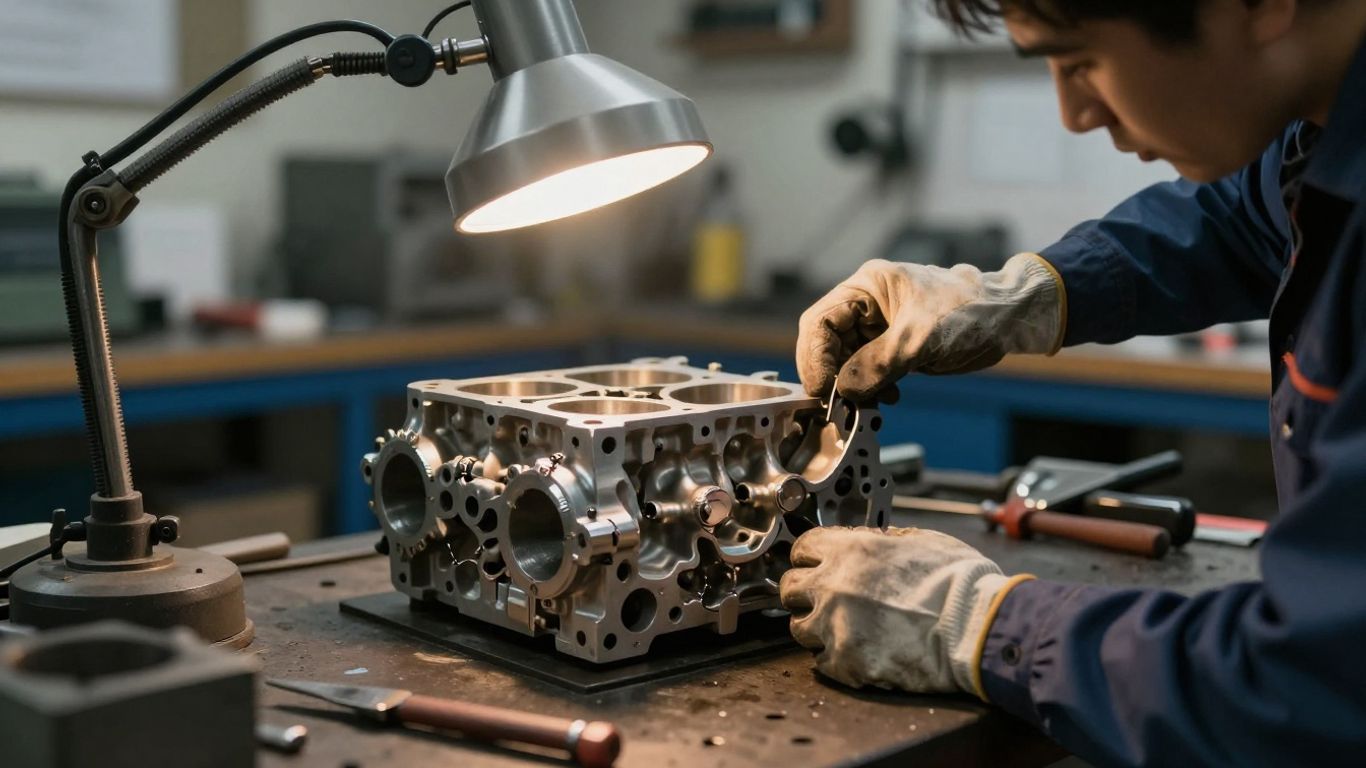
Metal stitching for cracks in accessible areas
Metal stitching typically uses a series of threaded inserts or pins to join and seal a crack without relying on the same heat input as welding. It can be worth discussing when the damaged area is accessible and the block’s material and crack pattern are suitable. The procedure requires careful placement and preparation; it is not simply a matter of covering a visible line.
A repairer needs to evaluate the metal around the crack and confirm the method can address its full extent. For background on the process and its use on engine castings, cast-iron repair basics offer a starting point, while the final recommendation should come from an inspection of the specific block. Ask whether the completed repair will be checked for leaks and dimensional issues.
Welding options and their heat-related risks
Welding can be considered for some cracked blocks, but the material and repair location dictate the process. Cast iron and aluminum respond differently to heat, and excessive or poorly controlled heat can distort a casting or create further stress. Preparation and temperature management are therefore central to the repair, not minor details.
Before approving welding, ask what process the shop proposes, how it will manage heat, and what inspection follows. A specialist discussion of engine casting welding can help explain why different materials and precision requirements call for different techniques. A welding repair should not be judged by appearance alone; the finished block still needs appropriate checks.
Sealants and when they may be temporary fixes
Some products are marketed to address small leaks, but adding a sealant does not establish where the leak originates or whether a structural crack can be reliably repaired that way. A sealant might be discussed as a temporary measure in limited circumstances, but it should not substitute for diagnosis when the engine is overheating, losing fluid, or showing signs of internal contamination.
Ask the mechanic whether using a product could affect later inspection or repair, and what risks apply to the cooling system. If the block is confirmed cracked, get a clear explanation of whether the proposed treatment is temporary or intended as a durable repair. That distinction matters when comparing the apparent low initial cost with the likelihood of further work.
Machining and pressure testing after a repair
After a repair, the block may require machining to restore the surfaces or dimensions needed for assembly. The amount of work depends on the damage and what inspection reveals; it should not be assumed that every repair needs the same operations. The shop should state which surfaces or measurements it will check and whether machining is included in the estimate.
Testing after the repair helps determine whether the block holds pressure and whether the repaired area is sound. Ask for the results and the criteria the shop uses before assembling the engine. A repair is more persuasive when the estimate explains both the repair method and the checks that will verify the outcome.
What engine block replacement involves
Replacement usually means more than swapping one bare casting for another. The shop must identify a compatible block, determine which existing components can be reused, and inspect parts that may have been affected by the original failure. The final scope can vary substantially depending on whether the replacement is new, remanufactured, or used. A detailed quote makes those differences easier to compare.
Choosing between a new, remanufactured, and used block
A new block may offer a different level of certainty and availability than a remanufactured or used unit, but price and supply vary by engine. A remanufactured part should come with a clear description of what work was performed and what warranty applies. A used block can cost less initially, though its prior history and inspection record may be limited.
Compare the actual condition and coverage rather than relying on the category name alone. Ask what inspection has been completed, whether machining is included, and whether the seller or shop stands behind the part. The best option is the one that meets the engine’s requirements at a total cost and risk you can accept.
Checking compatibility with the existing engine
A replacement needs to match the vehicle and engine configuration, not merely look similar. Confirm identifiers and relevant specifications with the shop, including any differences that could affect fitment or the use of existing components. Model year alone may not be enough to establish compatibility.
Ask who is responsible for verifying the part before it is ordered and what happens if it proves unsuitable. A written record of the selected block and compatibility checks can prevent a costly mismatch from being discovered after labor has begun. Keep the vehicle identification and engine details available when requesting estimates.
Parts and labor that may be included
A quote may cover only the block, or it may include transfer and installation of engine components, gaskets, fluids, machining, and related labor. Some items may be priced separately or reused if they pass inspection. Comparing a replacement quote with a repair quote only makes sense when both describe a similar finished scope.
The estimate should make clear what the shop expects to reuse, replace, or inspect. Ask whether removal and installation, cleaning, machining, and post-installation testing are included. If a line item is unclear, request an explanation before authorizing the work rather than assuming it is part of the total.
Additional damage to inspect before installation
An engine that overheated or lost lubrication may have damage beyond the block. The cylinder head, bearings, pistons, cooling system, and other affected components may need inspection, depending on the symptoms and test results. Replacing the block without addressing a related failure can leave the original cause in place.
The mechanic should identify what is being checked and what findings would change the estimate. This is also a good point to ask whether the original overheating cause has been found and corrected. A replacement solves the block problem only if the surrounding system is suitable for the new assembly.
Comparing repair and replacement costs
There is no dependable universal price for a cracked-block repair or replacement. Labor time, engine design, damage severity, part availability, and machining needs all change the total. A low initial figure may leave out essential work, while a higher estimate may include testing and related parts. Compare complete scopes, not just the first number on the page.
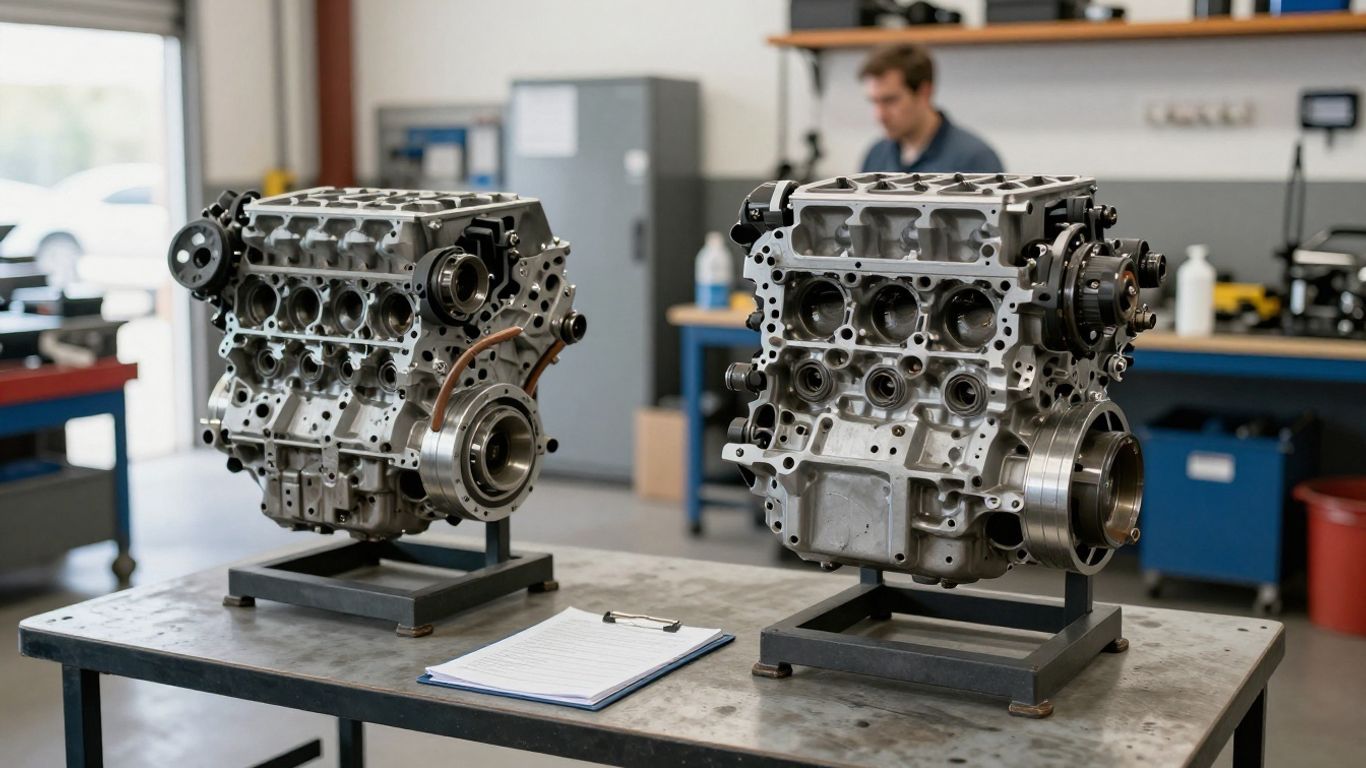
Factors that drive repair estimates
Repair cost depends on how much disassembly is needed, how accessible the crack is, what repair method suits the casting, and whether machining or testing follows. A shop may also charge for cleaning and inspection before it can determine whether the block is repairable. If the crack is in a difficult or critical area, the work may be more complex than its visible size suggests.
To see why two repair estimates differ, compare their contents side by side. This table is a useful prompt for asking what each price includes, rather than treating the lowest total as the best value.
| Estimate item | What to clarify | Why it matters |
|---|---|---|
| Diagnosis and teardown | Which tests and removal steps are included? | Confirms how the damage was identified |
| Repair procedure | What method and area of work are proposed? | Shows whether the scope matches the crack |
| Machining and testing | Which checks and measurements are included? | Helps establish whether the block is ready for assembly |
| Reassembly and related parts | What will be replaced or reused? | Makes the final cost easier to compare |
Once those items are clear, compare the estimates using the same assumptions. If one omits post-repair testing or related parts, ask for a revised total before making a decision.
Costs that can make replacement more practical
Replacement may become more practical when the crack is in a critical area, repair access is poor, or the block has additional damage. It can also be the more straightforward option if an appropriate replacement is readily available and a repair would require extensive labor with uncertain results. That does not automatically make replacement cheaper; the full installation scope still matters.
Consider the cost of the block, transport, removal and installation, machining, and any components that cannot be reused. Then compare that total with a repair estimate that includes diagnosis, repair, reassembly, and testing. A fair comparison is about the cost of a working engine, not simply the price of a part or procedure.
Hidden expenses such as machining and towing
A vehicle that cannot be driven safely may need towing, and diagnosis can involve labor before the shop knows whether repair is possible. Machining, cleaning, replacement fluids, gaskets, and related repairs may also appear after the engine is opened. These are not necessarily unnecessary extras, but they should be identified and explained.
Ask which costs are confirmed and which are conditional on what the shop finds. You can also agree that the mechanic will contact you for approval if the estimate needs to change. For independent issues such as garage safety checks, attic insulation, trade school selection, BU insurance choices, and skin barrier care, use their own relevant guidance; they do not determine an engine repair decision.
How warranty coverage affects the comparison
Warranty terms can change how much risk you take on after the work is complete. Check what is covered, how long coverage lasts, whether parts and labor are both included, and what conditions could limit a claim. For a replacement block, clarify whether coverage applies to the part alone or to the installed assembly as well.
A repair and a replacement may carry different terms, so compare the wording rather than assuming the same protection. Ask who handles a claim and whether the warranty requires particular maintenance or follow-up. Keep the estimate, test results, and final invoice together in case questions arise later.
How to decide which option is right
The sound choice is the one that addresses the confirmed damage at a sensible total cost and risk. A repair may preserve a usable block, while replacement may be preferable if the casting is badly damaged or the repair cannot be supported with appropriate testing. The vehicle’s condition and your plans for it matter too. There is no one answer that fits every engine.
When a repair may be a reasonable choice
Repair may be reasonable when the crack is accessible, the surrounding casting is sound, and a specialist can explain a suitable method and verification plan. It can also make sense if a compatible replacement is difficult to source or would require substantial additional expense. The key is having confidence in the inspection and knowing what the repair is expected to accomplish.
Get the shop’s reasoning in writing, including what could make the repair unsuccessful or change the price. A straightforward repair proposal with defined checks is easier to evaluate than a vague promise that the leak will stop. If the shop cannot explain why the method fits the crack, consider seeking another qualified assessment.
When replacement is often the safer route
Replacement may be safer when the damage affects a critical area, extends beyond a practical repair, or appears alongside other serious block damage. It may also be favored when the shop cannot recommend a repair with confidence or cannot verify the finished casting. In those cases, a repair with uncertain durability could lead to repeated labor and additional expense.
Still, replacement does not remove the need to identify what caused the original failure. A new or used block installed into a system with an unresolved cooling or lubrication problem may be at risk too. Ask the mechanic to include the cause and corrective work in the plan.
How vehicle age, value, and intended use factor in
The same repair bill can make sense for one vehicle and not another. Consider the vehicle’s overall condition, expected remaining use, and whether the engine work is proportionate to its value. A vehicle used regularly for demanding work may call for a different reliability threshold than one driven occasionally.
It may help to compare the engine work with the likely cost of replacing the vehicle, while accounting for its condition and your practical needs. Avoid making the choice on resale value alone: dependable transportation, part availability, and the quality of the proposed work also matter. Be realistic about how long you intend to keep the vehicle.
Questions to ask the machine shop or mechanic
A good conversation should leave you with a clear diagnosis, a repair or replacement recommendation, and a description of the work needed to complete it. Ask the mechanic to point out the evidence for a crack and explain which alternatives were considered. The answers should be specific to your engine rather than a generic rule about all cracked blocks.
Before deciding, ask these questions and note the answers:
- What test or inspection confirmed the block damage?
- Where is the crack, and why does that location affect the recommendation?
- What work, parts, machining, and testing are included in the estimate?
- What is excluded, and will you seek approval if the cost changes?
These questions help reveal whether two estimates describe the same job. They also make it easier to judge how much uncertainty remains before work begins.
What to expect during the repair or replacement process
A major engine job typically begins with diagnosis and a written scope, then proceeds through teardown, inspection, repair or replacement, and checks before the vehicle is returned. The sequence can change if disassembly uncovers additional damage. Agreeing on approval points helps you stay informed without slowing necessary decisions. Keep copies of the estimate and any updates.
Getting a written diagnosis and itemized estimate
The written diagnosis should describe what the shop found and how it reached that conclusion. An itemized estimate should separate diagnosis, parts, labor, machining, and testing where applicable, and identify work that is still conditional. If the shop expects to inspect the engine further after teardown, ask for a call before any additional expense is authorized.
You do not need to understand every technical detail to request a plain-language explanation. Make sure the proposed work addresses the cause of the failure as well as the cracked block. A clear estimate gives you a usable basis for comparing repair and replacement.
Confirming the repair plan and warranty terms
Before authorizing work, confirm which block or repair method will be used, what parts the shop plans to reuse, and what inspection will happen before reassembly. Ask when you will be contacted if the findings change the plan. Written approval of the scope can prevent misunderstandings about optional or newly discovered work.
Review the warranty alongside the estimate, including exclusions and any required follow-up. Ask what paperwork you will receive when the job is done, such as test results, parts information, and the final invoice. Keep those records with the vehicle’s service history.
Break-in, monitoring, and follow-up checks
Follow the mechanic’s specific instructions after the work; break-in requirements vary with the repair and components installed. Ask what operating conditions to avoid, when the first follow-up inspection is due, and whether fluid levels or leaks should be checked on a particular schedule. Do not assume a generic break-in routine applies to every engine rebuild or replacement.
If warning lights appear, the engine overheats, or you notice a new leak or unusual noise, contact the shop promptly. A quick response can help the mechanic assess whether the issue is related to the work or has another cause. Keep notes on when a symptom occurs and what the dashboard shows.
Preventing overheating and other causes of engine damage
Once the vehicle is back in use, routine attention to cooling and lubrication can reduce the chance that a manageable issue becomes severe. Follow the manufacturer’s maintenance schedule and address warning signs rather than repeatedly topping up fluids without finding the cause. A repair does not make the engine immune to overheating or other damage.
If the temperature rises, a warning light comes on, or coolant loss returns, stop when it is safe and arrange an inspection instead of pushing on. Keep maintenance records and ask the mechanic whether the original failure has any specific follow-up requirements. The aim is steady monitoring, not unnecessary worry.
Conclusion
Choosing between engine block repair and replacement starts with confirming the damage and understanding the full scope of each option. Ask for a clear diagnosis, compare complete estimates, and weigh the block’s repairability against the vehicle’s condition, intended use, and warranty. A careful decision is more useful than a quick answer based on symptoms or a headline price.
Frequently Asked Questions
Can you drive with a cracked engine block?
Driving may worsen damage, especially if the engine is overheating or losing coolant or oil. Stop when it is safe and have the vehicle assessed before continuing to use it.
What are common signs of a cracked engine block?
Possible signs include overheating, unexplained coolant loss, visible leaks, smoke, poor performance, or oil and coolant mixing. These symptoms can have other causes, so testing is needed to confirm the source.
Can a cracked engine block be repaired?
Some cracks can be repaired, depending on their location, size, the block material, and the condition of the surrounding casting. A specialist should assess the block and explain how the repair will be checked.
Is replacing an engine block better than repairing it?
Neither option is always better. The decision depends on the damage, the repair method available, replacement compatibility, total cost, and the reliability expected from the vehicle.
How long does an engine block repair or replacement take?
Timing varies with the engine design, parts availability, required machining, and any additional damage found during disassembly. Ask the shop for an estimated schedule and what could delay completion.
Does a cracked engine block mean the whole engine must be replaced?
Not necessarily. Some blocks are repairable, and in other cases a block or engine assembly may be replaced while other components are reused if they pass inspection. The diagnosis determines the scope.
What should an engine block repair estimate include?
It should explain the diagnosis, proposed method, parts and labor, machining and testing, related work, exclusions, and warranty terms. Ask the shop to identify conditional costs and get your approval before the scope changes.