

Key Takeaways
A failed head gasket is often the result of another problem that has gone unchecked. Finding that cause matters as much as replacing the seal.
- Repeated overheating can distort the cylinder head and weaken the gasket’s seal.
- Low coolant, poor circulation, and restricted passages can create damaging hot spots.
- Incorrect bolt tightening or poor surface preparation can cause a new gasket to fail early.
- Abnormal combustion and corrosion can add stress or damage sealing surfaces.
- Diagnosis should include the cooling system, engine history, and condition of the head and block.
Engine overheating and thermal stress
The head gasket seals the joint between the cylinder head and engine block, while keeping combustion pressure, coolant, and oil in their intended paths. A brief temperature rise may not cause immediate failure, but severe or repeated overheating can strain the seal and the metal surfaces around it. Among the common causes of cylinder head gasket failure, overheating is especially important because it can both damage the gasket and create conditions that make a replacement less likely to last. Heat can also accelerate wear elsewhere in the engine, much as high temperatures can worsen existing tyre damage, as explained in this guide to tyre heat and damage.
How excessive heat weakens the gasket seal
A gasket has to maintain contact across surfaces that expand as the engine warms and contract as it cools. When temperatures rise beyond the engine’s normal range, the gasket may lose some of its ability to seal evenly, allowing combustion gases or fluids to cross boundaries that should remain closed. The exact damage depends on the engine and the severity of the overheating, so one symptom alone cannot confirm a failed gasket. A sustained temperature rise deserves attention before it becomes a recurring pattern.
Why repeated overheating can warp the cylinder head
The cylinder head is exposed to intense heat, and overheating can cause it to distort. If the surface no longer sits evenly against the block, even a new gasket may struggle to seal correctly. This is one reason that simply replacing the gasket without checking what caused the temperature to climb can lead to repeat trouble. The head’s condition should be assessed as part of the repair, not treated as an afterthought.
How temperature swings create stress between engine parts
Engine components do not all heat and cool at exactly the same rate. Repeated cycles of expansion and contraction put stress on the joint between the head and block, particularly if the engine is also experiencing overheating or uneven cooling. Letting an engine cool before checking coolant or investigating a warning is safer than continuing to drive while the temperature remains high. A video can help illustrate the general repair context, though the correct procedure varies by engine.
Cooling system problems that lead to failure
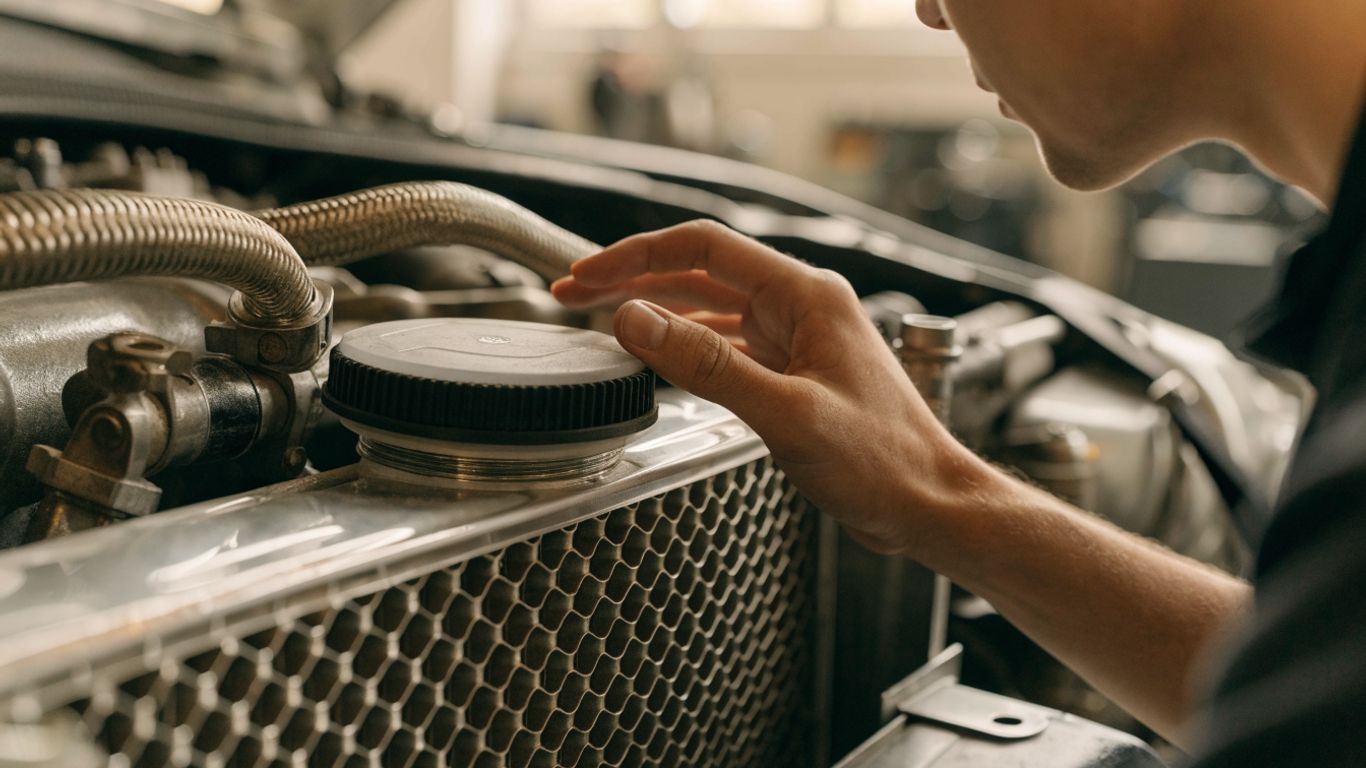
The cooling system carries heat away from the engine, so a fault anywhere in its path can raise the risk of overheating. A leak, a weak circulation rate, or an obstruction may cause the temperature to climb even when the engine initially seems to run normally. It helps to treat coolant loss as a problem to investigate rather than something to keep topping up indefinitely. Maintenance advice for diesel generator problems also illustrates why fluid leaks and overheating deserve prompt attention, though a generator and a car have different systems.
Low coolant, leaks, and inadequate circulation
Low coolant may result from an external leak or from a fault that is less obvious, and either can leave parts of the engine without adequate heat transfer. Check for a falling coolant level, visible leaks, or a temperature gauge that rises repeatedly, while remembering that these signs do not by themselves prove a head gasket has failed. If the engine is overheating, stop safely and allow it to cool rather than opening a hot cooling system. These practical checks can help organize what to report to a technician:
- Note when the temperature first rises and whether it happens in traffic, at speed, or under load.
- Record whether the coolant level drops between checks.
- Look for visible fluid beneath the vehicle once it is parked safely.
- Mention recent cooling-system repairs or changes in engine behavior.
Together, these details can help narrow down whether the cause may be a leak, a circulation problem, or something else. Avoid treating repeated coolant top-ups as a repair.
Faulty thermostats, water pumps, and radiator fans
A thermostat that does not open as intended can interfere with the flow of coolant through the system. A water pump that is not circulating coolant effectively, or a radiator fan that fails to provide needed airflow, can also contribute to overheating. Since several faults can produce similar temperature symptoms, diagnosis should test the relevant components rather than assume the gasket is at fault. The pattern of overheating—such as whether it occurs mainly in slow traffic—may offer a useful clue, but it is not a diagnosis on its own.
Restricted radiators and blocked coolant passages
A radiator or an internal coolant passage that is restricted may limit heat transfer and create uneven temperatures. Corrosion, accumulated deposits, or other obstructions can make circulation less effective, while a problem elsewhere in the system may produce similar symptoms. Inspection should consider the full coolant path, not just the component that is easiest to see. Once the restriction or underlying fault is identified, it can be addressed before a replacement gasket is fitted.
Incorrect installation and surface preparation
A new gasket depends on correct fitting and sound contact between the cylinder head and the block. Even a suitable replacement can fail to seal if the fasteners are tightened incorrectly or if the mating surfaces are dirty, damaged, or uneven. Preparation practices matter in other kinds of installation too; for example, indoor MUGA floor preparation covers substrate checks and cleaning before sports flooring is installed. The materials and methods differ, but the basic lesson is relevant: inspect and prepare the surface before relying on a seal or bond.
Improper bolt torque or tightening sequence
Head bolts must be tightened according to the manufacturer’s specified procedure, including the correct sequence and torque requirements. Tightening them unevenly can load the gasket inconsistently, while incorrect torque may prevent a reliable seal or damage components. These specifications vary by engine, so a generic sequence or guesswork is not a substitute for the service information. Careful fitting is especially important because an installation error can be difficult to distinguish from a later mechanical failure.
Reusing head bolts designed for one-time use
Some head bolts are designed to stretch during tightening and are specified for one-time use. Reusing bolts when the service procedure calls for new ones can affect the clamping force across the gasket. The correct approach is to check the engine’s repair information and follow its instructions for fastener replacement. If bolt type or history is uncertain, confirm it before assembly rather than relying on appearance.
Uneven or damaged cylinder head and block surfaces
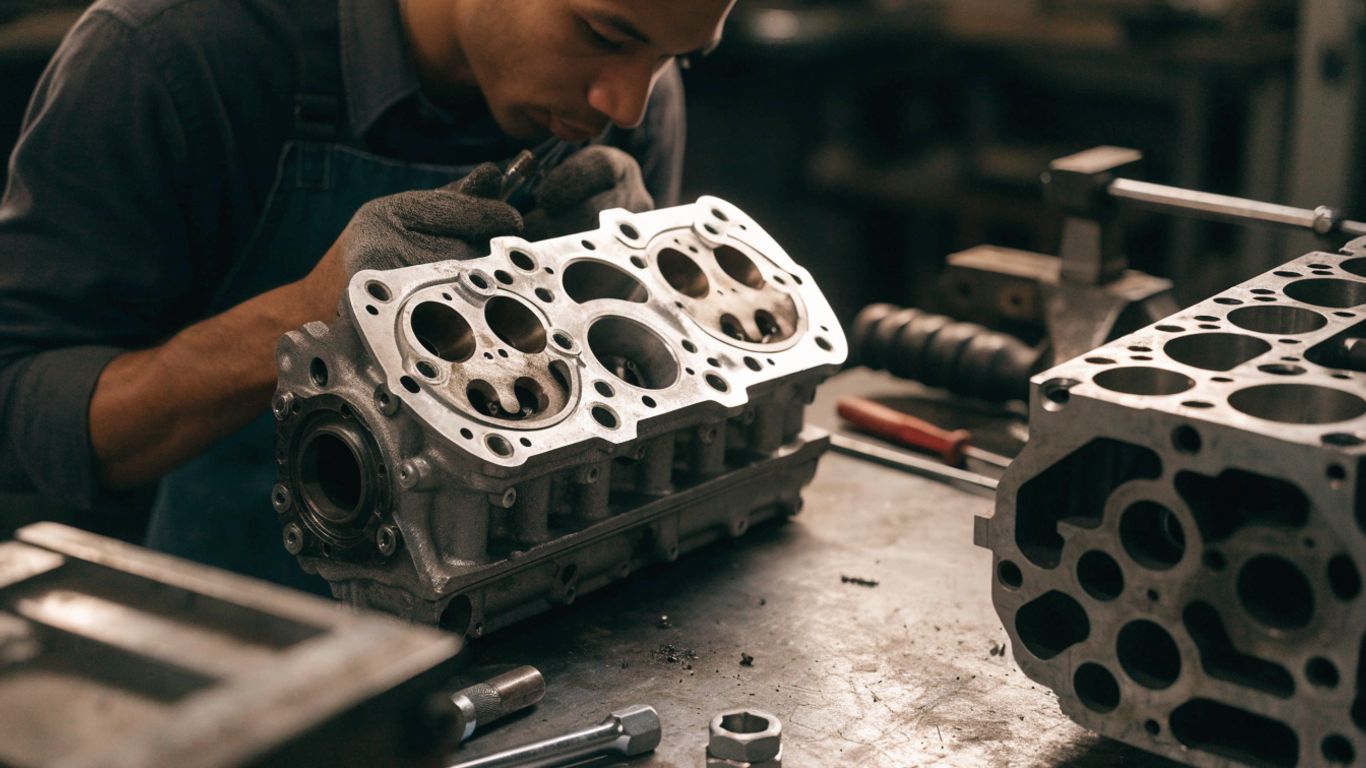
Gasket surfaces should be clean and checked for damage or distortion before installation. Scratches, corrosion, or an uneven surface can leave a path for pressure or fluid to escape. Machining may be appropriate in some cases, but the limits and repair method depend on the specific engine and the extent of damage. Inspecting first helps avoid fitting a new gasket to surfaces that cannot hold a dependable seal.
Excessive cylinder pressure and combustion problems
A head gasket has to contain combustion pressure as well as separate oil and coolant passages. Abnormal combustion can expose the gasket and nearby components to pressure and heat beyond ordinary operating conditions. If damage appears around one cylinder, that location can guide further checks, but it does not establish the cause by itself. A useful overview of head gasket failure causes likewise treats overheating and coolant loss as possible contributors rather than relying on a single clue.
Detonation and pre-ignition inside the cylinders
Detonation and pre-ignition are abnormal combustion events that can raise stress inside a cylinder. They are not the same condition, and their causes can vary, so an unusual engine sound should be investigated rather than used to diagnose gasket damage alone. A technician may consider engine behavior alongside ignition, fuel, and mechanical checks. Correcting the underlying combustion problem is important if the gasket has failed, or the same stress may continue after repair.
Performance modifications that increase engine stress
Changes that increase engine output can also increase demands on engine components, depending on the modification and the way the engine is calibrated and used. That does not mean every modified engine will suffer gasket failure; it does mean that the suitability of the parts and setup should be assessed together. If a failure follows a modification, share the details with the repairer, including when it was made and how the vehicle is typically driven. This context helps distinguish a setup-related concern from an unrelated cooling or installation fault.
Fuel or ignition issues that contribute to abnormal combustion
Fuel delivery and ignition problems can contribute to poor or abnormal combustion, and symptoms may overlap with other engine faults. Misfiring, reduced power, or unusual noise calls for diagnosis rather than an assumption that the gasket has failed. If gasket damage is confirmed, investigate whether a fuel or ignition issue could have contributed. Repairing the seal without addressing a related combustion problem may leave the engine exposed to the same conditions again.
Age, corrosion, and material degradation
A gasket works in a demanding environment, exposed to pressure, heat, coolant, and oil over time. Age alone does not prove that a gasket has failed, but wear and poor fluid condition can make the sealing job harder. Coolant care is part of the wider picture: advice on engine cooling and maintenance also points to low coolant and cooling-system faults as risks that should be addressed. Regular inspection can help reveal a developing problem before it becomes a major repair.
How coolant contamination can damage gasket materials
Coolant should be maintained according to the vehicle’s requirements. Contamination or an incompatible fluid may contribute to corrosion or deterioration in the cooling system, potentially affecting the conditions around the gasket. The appearance of a fluid is not enough to identify its chemistry or confirm a gasket leak, so unusual discoloration should be investigated in context. When coolant condition is in doubt, follow the vehicle maker’s guidance on testing, flushing, and replacement.
The effects of corrosion around coolant passages
Corrosion near a coolant passage can damage the metal surface where the gasket must seal. If corrosion has eaten into the head or block, installing a gasket without assessing the surface may not solve the problem. The extent and location of the damage matter, and a repairer can determine whether cleaning, machining, or another repair is suitable. In some cases, damage may exceed what a gasket replacement alone can address.
Why wear and repeated heat cycles weaken the seal over time
Many cycles of heating and cooling gradually place stress on the joint, while normal engine wear can affect the parts surrounding it. There is no single age or mileage at which every gasket should be replaced; symptoms and inspection findings matter more than a fixed timetable. The same principle applies to other materials, where condition and remaining usable surface influence whether repair is sensible, as described in this guide to wood floor wear and refinishing. For an engine, the relevant decision must come from the condition of its own components.
Finding the underlying cause before replacing the gasket
A replacement gasket addresses the seal, but it will not automatically fix a cooling fault, a distorted surface, or abnormal combustion. A sound diagnosis brings together the vehicle’s history, test results, and inspection of the engine. The head gasket warning signs can help explain why certain symptoms raise concern, but warning signs are not proof by themselves. Identifying the failure path helps determine what else needs repair before the engine is reassembled.
What overheating and coolant-loss history can reveal
A clear history can help a technician understand how the fault developed. Note whether the engine overheated once or repeatedly, how quickly the coolant level changed, and whether the problem began after recent work. Ask whether the vehicle has been driven while hot, since continued operation can worsen damage. These details are useful, but should be interpreted alongside inspection and testing rather than treated as a final answer.
How compression and leak-down tests help narrow the cause
Compression and leak-down tests can help assess whether a cylinder is sealing properly and whether pressure is escaping. Results may point toward a problem, but they need to be interpreted with the engine’s design, test conditions, and other findings in mind. A table can help show how these checks relate to other evidence without treating any one clue as conclusive.
| Finding | What it may suggest | Useful next step |
|---|---|---|
| Low compression in one cylinder | A sealing or cylinder-related problem | Compare readings and inspect further |
| Pressure loss during a leak-down test | Leakage from the tested cylinder | Identify where the pressure is escaping |
| Repeated overheating | A cooling fault or another heat-related issue | Test the cooling system and review the history |
| Falling coolant level | A leak or another coolant-loss route | Inspect the system and check for related evidence |
These findings help build a diagnosis when considered together. Test results should guide the next inspection, not replace it.
Why inspecting the head and block can prevent repeat failure
Once a gasket problem is suspected or confirmed, the head and block need to be checked for damage, distortion, and surface condition. The inspection can also help establish whether an overheating event or corrosion has affected the sealing area. When a repair is needed, choosing a suitable replacement is a separate step from diagnosing the cause; Australia’s trusted Car Parts Supplier connects customers with quality used, genuine, and aftermarket parts through a car parts network. That description is about parts supply, not a substitute for confirming which part fits a particular vehicle.
A clear inspection also helps establish what work is required before a replacement is sourced. Australia’s trusted Car Parts Supplier serves customers across Melbourne, Sydney, Brisbane, and nationwide, connecting them with parts through its network. Fitment still needs to be verified for the specific vehicle and repair.
Conclusion
A head gasket can fail after overheating, cooling-system trouble, installation errors, abnormal combustion, or gradual degradation, but the visible symptoms rarely tell the whole story. Checking the underlying cause, testing the engine, and inspecting the head and block before fitting a replacement can help prevent the same problem from returning. If a repair is needed, Australia’s trusted Car Parts Supplier connects customers with quality used, genuine, and aftermarket parts, with fitment confirmed for the vehicle in question.
Frequently Asked Questions
What is the most common cause of cylinder head gasket failure?
Overheating is a frequent cause because excessive heat can weaken the seal and distort the cylinder head. Installation errors, combustion problems, corrosion, and age can also contribute.
Can a car be driven with a suspected head gasket problem?
Driving may worsen engine damage, particularly if the vehicle is overheating or losing coolant. Stop safely if the temperature rises and arrange an assessment rather than continuing to drive.
Does low coolant always mean the head gasket has failed?
No. Coolant loss can come from an external leak or another cooling-system fault. A technician needs to inspect and test the vehicle to identify the cause.
Can a new head gasket fail soon after installation?
Yes. Incorrect tightening, reused bolts where replacement is specified, damaged surfaces, or an unresolved overheating or combustion problem can lead to repeat failure.
What tests can help diagnose a head gasket problem?
Compression and leak-down tests can help assess cylinder sealing. Their results should be considered alongside cooling-system checks, vehicle history, and inspection of the head and block.
Can corrosion cause a head gasket to leak?
Corrosion near a coolant passage or sealing surface can damage the area where the gasket must make contact. The extent of the damage determines what repair may be appropriate.
How can head gasket failure be prevented?
Keep the cooling system in good condition, investigate coolant loss promptly, and avoid driving while the engine is overheating. Correct installation and checking the underlying cause of any failure also matter.