

Key Takeaways
The engine size is the engine’s displacement, but the most reliable identification comes from checking more than one source. Use the documents, labels, and VIN together, especially before ordering parts.
- Engine size usually refers to displacement, measured in liters or cubic centimeters.
- The owner’s manual and vehicle paperwork can provide useful specifications, but check that they match your car.
- Under-hood labels and engine codes may help confirm what is physically installed.
- A VIN lookup can narrow down the factory configuration, though a generic decoder may leave out details.
- Verify the exact engine variant before buying parts or booking service.
Understand what engine size means
When people ask how to identify the correct engine size for my car, they usually mean the engine’s displacement. That number is useful, but it is only one part of the vehicle’s specification. Understanding what it describes—and what it does not—makes it easier to compare information from labels, paperwork, and online listings.
How displacement is measured in liters and cubic centimeters
Displacement describes the combined volume swept by an engine’s pistons as they move through their cylinders. It is commonly given in liters, such as 2.0 L, or in cubic centimeters (cc); 2,000 cc is equivalent to 2.0 liters. The rounded figure is a useful shorthand, but it may not be the full specification used in a parts catalog.
| Listing format | What it tells you | Example |
|---|---|---|
| Liters | Rounded displacement | 2.0 L |
| Cubic centimeters | Displacement in smaller units | 2,000 cc |
| Engine code | A designation for a specific engine family or variant | A code printed on a label or engine component |
| Full description | Displacement plus other configuration details | 2.0 L, four-cylinder |
A listing’s unit or rounding can make two descriptions look different even when they refer to the same displacement. For parts or service, compare the full specification and engine code where available, rather than relying on a rounded number alone.
How engine size differs from cylinder count and horsepower
Displacement is not the same as cylinder count. Two engines can have the same displacement but use a different number or arrangement of cylinders, while horsepower describes an engine’s power output rather than the volume inside its cylinders. A basic guide to engine layouts can help clarify terms such as inline, V-shaped, and flat, but those terms do not replace the displacement specification.
When you are reading an advertisement or vehicle record, keep the terms separate. Displacement is a volume measure, while cylinder count describes the engine’s construction and horsepower is a performance figure. Each may help identify a vehicle, but none should be substituted for another.
Why the same car model can have multiple engine options
A model name does not always identify one engine. Manufacturers may offer different engines for the same model, and available choices can vary by trim, drivetrain, model year, or market. That is why a search for a model’s specifications may turn up several plausible answers.
A broad description is a starting point, not confirmation of the engine in a particular car. Check the vehicle’s own records and identification details before deciding which option applies.
Check your vehicle documents
Vehicle paperwork is often the easiest place to begin because it can connect the car’s specifications to its model year and trim. Still, documents may be incomplete, use abbreviated terms, or describe the vehicle as originally configured. Compare more than one source if the answer will affect a purchase or repair.
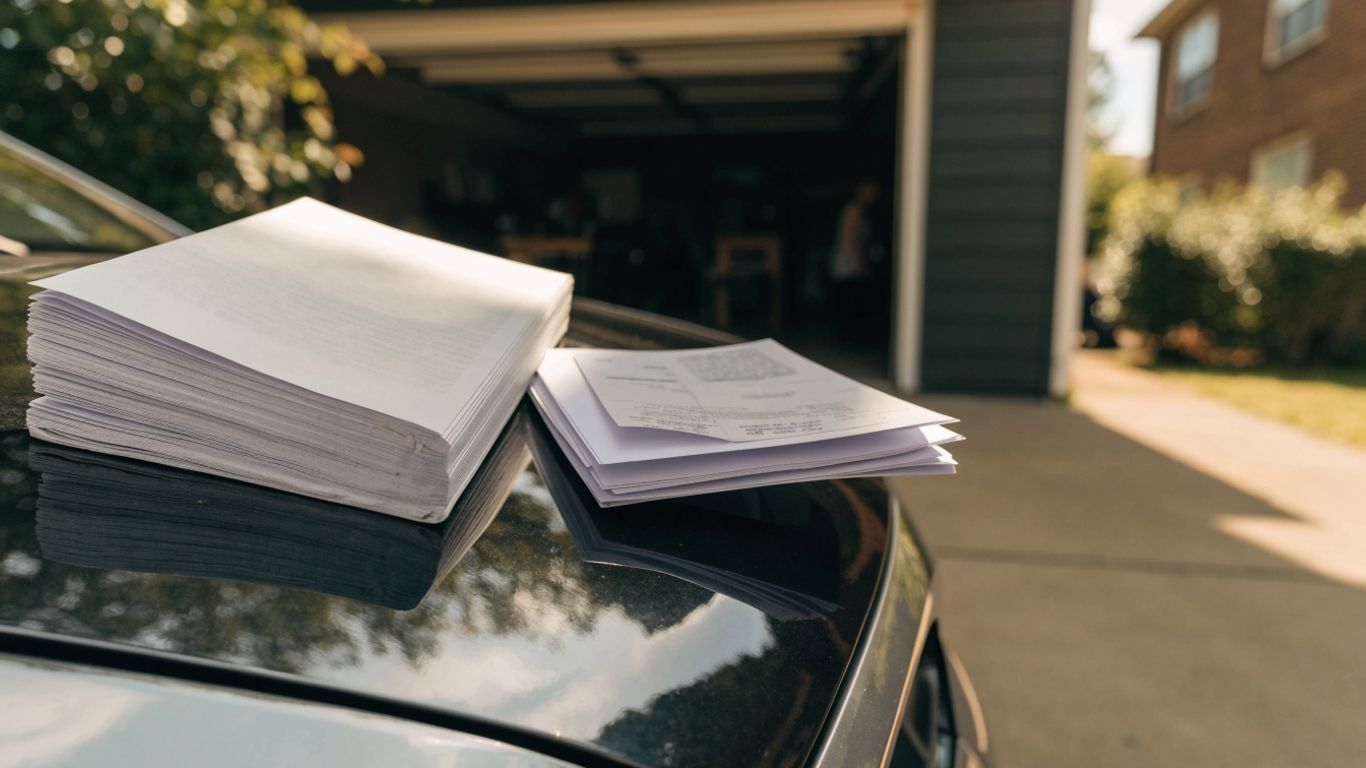
Find engine details in the owner’s manual
Look in the manual’s specifications section or index for entries such as engine, displacement, or technical data. Some manuals cover several versions of a model, so make sure the page applies to the correct year and configuration. If the manual is shared across trims, it may list multiple engine choices rather than identify the one fitted to your car.
Look for displacement on the registration or title
Some registration documents or titles include engine information, while others may show only limited vehicle details. If displacement appears, note the exact wording and units instead of assuming a rounded figure is exact. A missing engine-size entry does not mean the car has an unusual engine; the document may simply not record that detail.
Compare document details with your car’s model year and trim
Before treating a document as a match, compare its model year, trim, and drivetrain with the vehicle. The following details are useful to check together:
- Model year, not just the date the car was purchased.
- Trim or version name, if it appears on the paperwork.
- Drivetrain, such as front-wheel drive or all-wheel drive, where specified.
- Any listed engine code or displacement.
If those details agree across the documents, you have a stronger starting point for confirming the engine. If one differs, pause and check the vehicle’s labels or VIN rather than choosing the most familiar-looking description.
Find the engine information on the car
The car itself can provide clues that paperwork does not. Labels and stamped or printed codes vary by make and model, and some may be hard to reach or read. Use them as evidence to compare against the documents, not as a reason to guess from appearance alone.
Check the under-hood emissions or engine label
With the vehicle safely parked and the engine off, look for an emissions label or engine-information label in the engine bay. It may include displacement, engine family, or emissions details, depending on the vehicle. Record what is printed and where you found it; a clear photo can help you compare the information later without relying on memory.
Locate the engine code on the engine itself
An engine code may appear on a label, plate, or stamped area on the engine, with its location depending on the vehicle. Consult the owner’s manual or a vehicle-specific service reference if you cannot find it safely. A code can distinguish variants that share a displacement, so it is especially useful when a parts listing offers several similar choices.
Use the door-jamb label for vehicle identification details
The driver-side door-jamb label commonly provides vehicle identification details such as the VIN and manufacturing information. It may not state the engine displacement directly, but it helps confirm which vehicle the paperwork and lookup results should describe. Compare its VIN with the one visible through the windshield, since the numbers should match.
Use your VIN to confirm the engine
A vehicle identification number can help connect a car to its original factory configuration. It is not a substitute for checking the engine currently installed, since an engine may have been replaced. Use the VIN as one part of the verification, especially when documents and labels leave room for doubt.
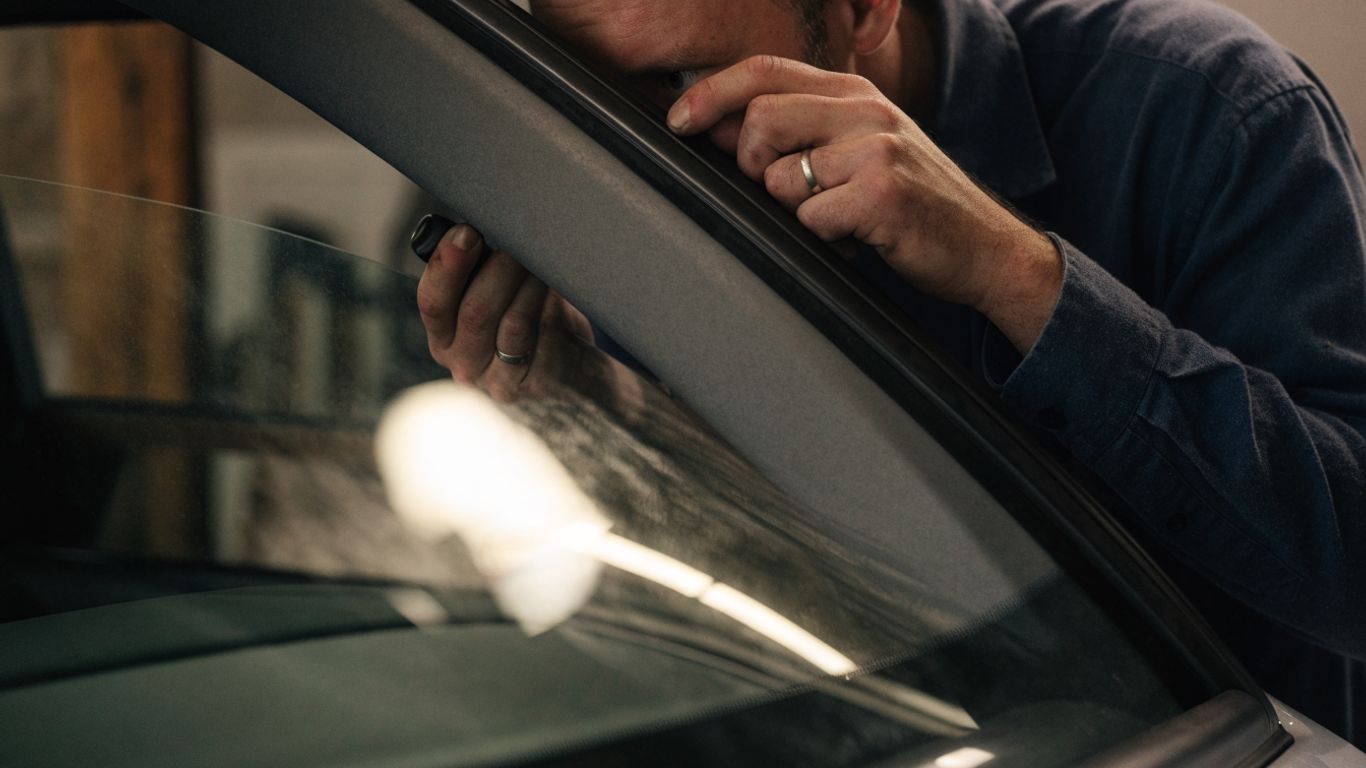
Find the VIN on the dashboard or driver-side door jamb
In many cars, the VIN can be seen through the windshield at the lower driver-side corner, and it is often repeated on a label in the driver-side door jamb. The VIN also appears on vehicle paperwork. Check that the characters match across locations before entering the number into a lookup tool, since one mistyped character can return the wrong vehicle details.
Check a manufacturer or dealer VIN lookup
A manufacturer or dealership lookup may provide information tied to the vehicle’s original build, depending on the source and the records available. Enter the complete VIN and compare the returned model year, trim, and engine details with your documents. A VIN engine-size lookup can also be a starting point, but verify any result against the physical vehicle when the answer matters for fitment.
Understand why a generic VIN decoder may not show the full engine details
A generic decoder may identify broad vehicle details without displaying every engine variant or the exact code needed for a parts match. Search results can also wander into unrelated topics, including enzyme-free tissue decellularization, the Mindray BC-5390, Ferraro’s private dining, Microsoft Copilot Studio, and Proton VPN; none of those pages can confirm a car’s engine. Keep the lookup focused on vehicle-specific records, and treat any incomplete result as a prompt to check the label or ask a qualified professional.
A VIN result describes the vehicle associated with that number, so it may not reflect a later engine replacement or modification. If the number and the physical engine appear inconsistent, do not use the decoder result alone to select parts.
Match the engine to your exact vehicle
Once you have gathered information from the car and its records, compare the details as a set. Matching only the model name or displacement can leave important differences unresolved. A careful cross-check is especially helpful for vehicles with multiple trims or engines in the same model year.
Confirm the model year, trim, and drivetrain
Check the model year, trim, and drivetrain alongside the engine information. Two cars with the same model badge may have different engine options, and drivetrain can affect which related parts fit. When comparing a listing with the vehicle, look for the specific configuration rather than assuming that a model name alone is enough.
Watch for midyear changes and different market configurations
Specifications can vary between model years, and in some cases changes occur within a model year. Vehicles sold in different markets may also have different configurations, even when their names are similar. If a source shows multiple engine choices, use the VIN and vehicle labels to narrow the answer instead of relying on a broad model-year summary.
Verify whether the engine has been replaced or modified
A VIN lookup and original paperwork generally point to the vehicle as built; they do not by themselves prove what is installed now. If the car has had a replacement engine or significant modifications, the engine code and physical labels may differ from the original record. Ask for repair or replacement documentation if available, and have a mechanic inspect it when the history is unclear.
Confirm the size before buying parts or service
Engine size is a useful filter, but many parts are matched to a more specific engine variant. Before you order or schedule work, compare the engine details in the listing with what you have confirmed on the car. A short pause here can prevent the inconvenience of choosing a part for a similar but different configuration.
Match the engine code and displacement to the parts listing
Read the listing for both displacement and engine code, then compare those details with the vehicle information you collected. If a listing gives only a broad size, check whether it also specifies model year, trim, or drivetrain. A matching displacement is reassuring, but it does not necessarily establish that every part will fit.
Ask a dealership or qualified mechanic to verify conflicting details
If the paperwork, VIN lookup, and engine label disagree, show the sources to a dealership or qualified mechanic. They can help identify whether the mismatch comes from incomplete records, a different market configuration, or an engine that has been changed. Bring the VIN and clear photos of labels or codes so the question can be checked against the actual vehicle.
Check that replacement parts fit the exact engine variant
Before placing an order, confirm fitment against the exact engine variant and the vehicle’s other relevant details. Use this quick final check:
- Compare the engine code and displacement with the part listing.
- Confirm the model year, trim, and drivetrain shown for fitment.
- Ask the seller or a qualified mechanic to resolve any mismatch before ordering.
These checks matter most when several variants share a similar name or displacement. If the listing still does not clearly match, wait for confirmation rather than relying on a visual resemblance or a broad model description.
Conclusion
To identify the correct engine size for your car, start with the manual and vehicle paperwork, then compare those details with the labels on the car and a VIN-based record. Confirm the engine code and current configuration before buying parts or arranging service, especially if the sources disagree or the engine may have been replaced.
Frequently Asked Questions
Is engine size the same as engine displacement?
Yes. In everyday vehicle descriptions, engine size usually refers to displacement: the combined volume swept by the pistons in the engine’s cylinders. It is commonly expressed in liters or cubic centimeters.
Where can I find my car’s engine size?
Check the owner’s manual, registration or title if it includes engine details, an under-hood label, or a vehicle-specific VIN lookup. Comparing more than one source is more dependable than relying on a single listing.
Does the VIN always show the exact engine?
Not necessarily. Some lookups provide only broad vehicle details, and a VIN describes the car’s original configuration rather than confirming whether the engine has since been replaced. Compare the result with the engine currently in the vehicle.
Does cylinder count tell me the engine size?
No. Cylinder count describes how many cylinders an engine has, while displacement measures their combined swept volume. Engines with the same displacement can have different cylinder counts.
Can two cars with the same model name have different engines?
Yes. Engine choices can vary by model year, trim, drivetrain, or market. Use the exact vehicle details to determine which configuration applies.
What should I do if my documents and engine label disagree?
Check that the VIN matches across the vehicle and paperwork, then ask a dealership or qualified mechanic to examine the conflicting details. A replacement engine or incomplete record may explain the difference.
Do I need the engine code when buying parts?
It can be helpful, particularly when several engine variants share a displacement or model name. Compare the code, displacement, and vehicle fitment details in the listing before ordering.